
Germencik ev için güneş paneli kurulumu: healthfully powered homes
Explore how solar panels impact home health: air quality, energy bills, and mental well-being. Clear steps, risks, and practical tips for beginners.

People often overlook how home energy choices affect health and daily stress. This explainer explains what solar panel installation involves, why it matters for wellness, and how to approach the process with realistic expectations. You’ll learn the practical steps and common concerns so you can decide if it fits your health goals.
Installing solar panels is not just about cutting costs; it's about reducing indoor pollutants from generation equipment, improving energy reliability for medical devices, and supporting a calmer living environment. The guide keeps the focus on concrete health outcomes and easy-to-follow steps.
By the end, you’ll understand the basics, the main options for homes like yours, and the simple checks to avoid common pitfalls. The aim is to help you plan a healthier, steadier energy setup without overwhelming complexity.
- Solar panels can support a healthier home by stabilizing power for medical devices and climate control, while reducing emissions near living spaces.
- Start with a simple energy audit, decide between grid-tied and storage options, and assess roof suitability to avoid costly surprises.
- Plan for permits, maintenance, and periodic checks to ensure health routines stay consistent and affordable.
- What solar energy for a healthy home means
- Choosing a setup for comfort and safety
- Practical steps to install with health in mind
- Cost considerations and financing
- Installation timeline and disruption
- Choosing providers and warranties
- Health-friendly energy habits
- Frequently asked questions
- Healthful, practical solar options
What solar energy for a healthy home means
Health impact overview
A healthy home benefits from stable electricity that supports medical devices, climate control, and clean air strategies. Solar energy choices influence indoor comfort, noise levels, and moisture control. Start with a basic assessment of your daily energy needs and any health-specific equipment you rely on. Germencik ev için güneş paneli kurulumu is referenced as a term in other languages and will appear in one sentence here to acknowledge its context.
Consider how sunny days translate into lower generator use and fewer emissions near living spaces. Lower reliance on fossil fuels can indirectly reduce indoor irritants and respiratory triggers. The goal is steady power with fewer interruptions that stress health routines.
This section emphasizes a practical check: identify essential loads (cooling, medical devices, refrigeration) and confirm your roof’s suitability and local rules before moving forward.
Getting started safely
Before installation, map typical daily energy use and note any health devices that require uninterrupted power. This helps determine system size and whether a storage option is needed. A simple audit reduces the risk of over- or under-sizing the setup for wellness needs.
Engage a licensed installer who can assess structural capacity, electrical safety, and local permits. Proper wiring and grounding are essential to prevent shocks or outages that disrupt health routines.
Finally, review warranty terms and maintenance plans so you can expect predictable performance and fewer surprises that could impact health management.
Choosing a setup for comfort and safety
Grid-tied vs off-grid
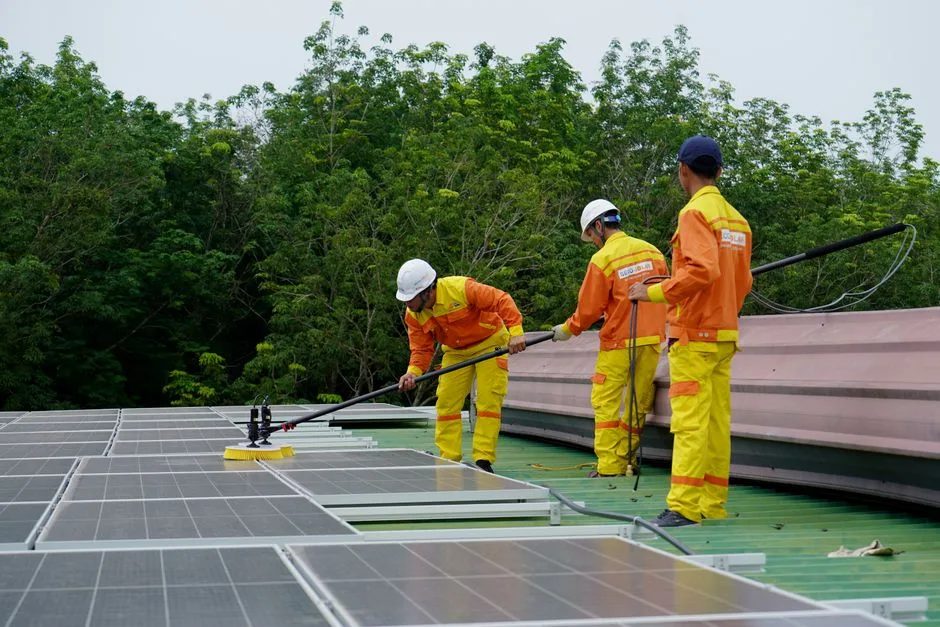
Grid-tied systems feed excess energy back to the grid and rely on the local grid during shortages. This keeps monthly bills predictable and reduces battery costs, which can support a stable budget for wellness activities.
Off-grid setups include batteries to store sun-derived energy for night use or cloudy days. They offer independence but require careful sizing to avoid outages that could disrupt medical devices or refrigeration.
For health-minded homes, a grid-tied with strategic storage often balances reliability with simplicity, limiting manual interventions during critical moments in daily routines.
- Assess peak usage times
- Estimate battery needs if chosen
- Check local feed-in rules
Assessing roof and shade
Shading from trees or nearby structures reduces output and may affect system economics. A shaded roof can still work, but it changes the expected performance and payback period.
Roof orientation and tilt influence energy capture. South-facing roofs typically yield the best production in many regions, while east or west faces provide steadier but lower output.
Document any roof repairs or replacements needed before installation so health routines aren’t interrupted by maintenance work.
Practical steps to install with health in mind
Plan and permit
Start with a home energy audit focused on wellness outcomes: climate control, lighting, and medical devices. Use the findings to outline system size and configuration.
Permits vary by locality; your installer can handle the paperwork. A smooth permitting process reduces delays that could affect heating or cooling schedules.
Schedule installation during a season that minimizes disruption to routines, especially for households with sleep-sensitive individuals.
- Identify essential loads
- Arrange for an uninterrupted power path
- Coordinate with utility for interconnection
| Option | Pros | Cons |
|---|---|---|
| Grid-tied | Low upfront cost; easy interconnection; reliable day-to-day use | Depends on grid stability; less energy independence |
| Off-grid with storage | Independence during outages; steady power for health devices | Higher upfront cost; requires careful sizing |
| Hybrid system | Balanced reliability and cost; scalable with needs | More complex setup; ongoing maintenance |
Maintenance and upkeep
Regular cleaning of panels keeps efficiency high and reduces the chance of unexpected power drops during critical times.
Schedule annual checks of wiring, inverters, and mounting hardware to prevent corrosion or loose connections.
Track energy bills after installation to confirm savings align with your wellness budget and to spot any anomalies early.
Before committing, estimate total costs including panels, inverters, mounting hardware, and installation.
Cost considerations and financing
Budgeting for solar upgrades
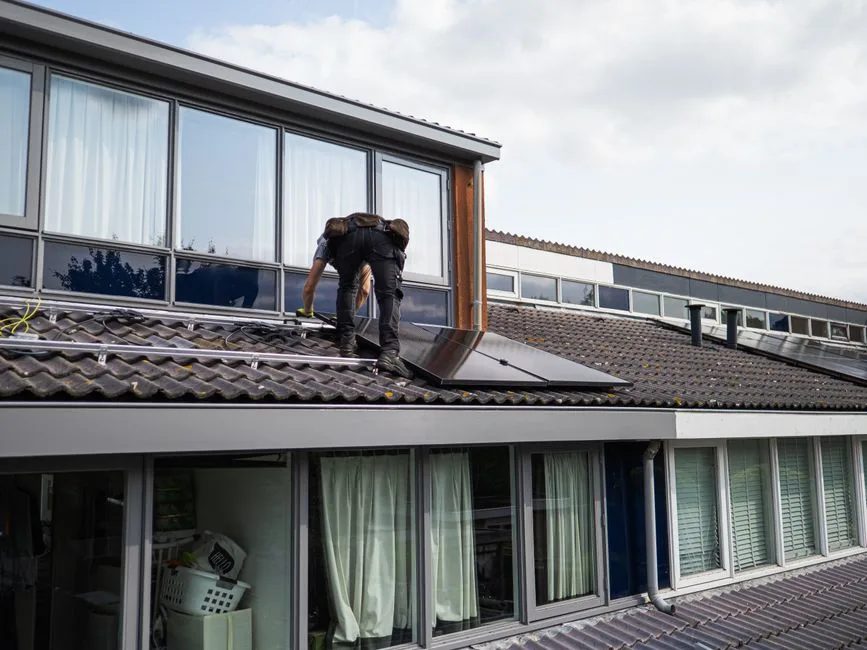
Before committing, estimate total costs including panels, inverters, mounting hardware, and installation. Compare quotes from multiple installers and ask about any hidden fees. Consider long-term savings on energy bills and potential tax credits or incentives.
This isn’t about sticker price alone; evaluate the return on investment over 5 to 10 years. Track how much household energy use reduces after the system is installed. A smaller system with efficient usage patterns can sometimes perform better than a larger, underused one.
Understanding financing options helps you avoid upfront strain. Look at loans with reasonable interest and transparent terms, and factor in maintenance costs over time. Planning ahead reduces stress when the first bill arrives.
- Compare total cost over 5–10 years
- Ask for written warranties
- Include maintenance in your budget
- Consider energy storage if relevant
Installation timeline and disruption
Planning the install schedule
Coordinate with household routines to minimize disruption, especially if you work from home or have caregiving duties. Schedule critical work for weekends or days off when possible. Confirm permit approvals and city requirements before work begins.
Ask installers to provide a written timeline with milestones. Clarify access needs, power shutoffs, and safety protocols to protect children and pets. A clear plan reduces surprises on installation day.
Discuss contingency plans for weather delays or unexpected equipment shortages. Prepare a temporary energy plan, like minimal use devices or backup power strategies, so daily life continues smoothly.
- Set expectations for power outages during install
- Prepare a pet and child safety plan
- Verify permit and inspection steps
- Have backup energy plan ready
Choosing providers and warranties
Evaluating installer credentials
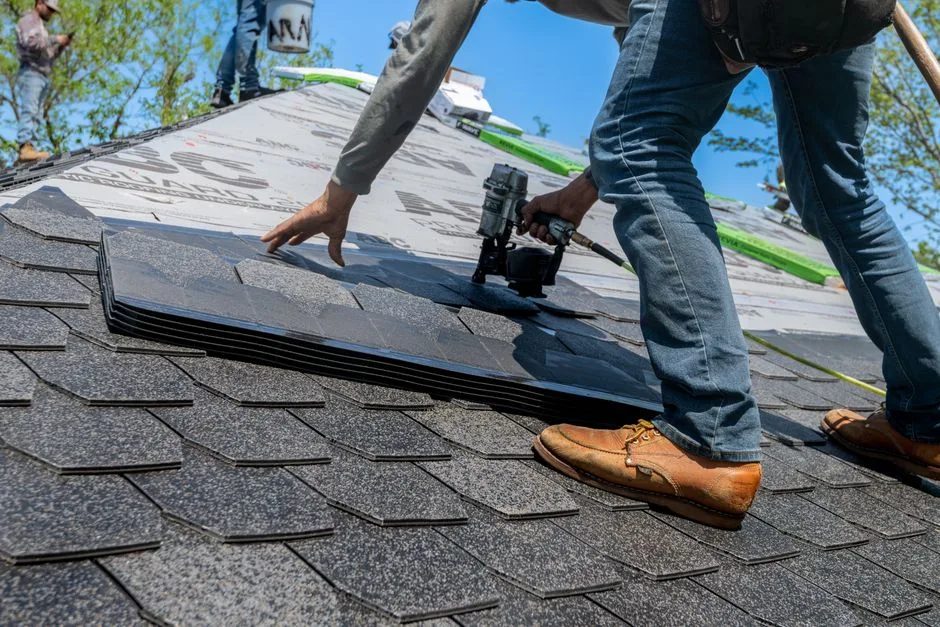
Check licenses, certifications, and years in business. Ask for project examples similar in size and scope to yours. Read reviews that mention reliability and safety practices.
Request a site assessment and a written proposal detailing system size, equipment brands, and warranties. Prefer providers who include system performance guarantees and post-installation support.
Compare warranty terms on panels, inverters, and workmanship. Longer warranty periods reduce risk if problems arise, but verify what is covered and for how long.
- Verify licenses and insurance
- Ask for case studies or references
- Get a written, detailed proposal
- Review all warranty terms
Health-friendly energy habits
Integrating energy efficiency habits
Pair solar with efficiency upgrades like LED lighting, smart thermostats, and appliance timing to maximize health benefits. Lower energy waste reduces indoor heat and air pollution from generation sources. A tighter home can support better sleep and comfort.
- ☐ Overlooking filtration and ventilation
- ☐ Ignoring maintenance schedules
- ☐ Underusing energy-saving settings
Schedule regular maintenance to keep air quality high and systems efficient. Clean filters, vent inspections, and safe electrical practices protect indoor health.
Track energy use and adjust habits to avoid peak demand, which can influence grid stability and reliability. Small daily changes add up to meaningful health and cost benefits.
- Upgrade to efficient lighting
- Use smart controls to optimize usage
- Maintain air and electrical systems
- Monitor energy trends over time
Frequently asked questions
Is solar energy safe for homes with kids and pets?Solar installations are generally designed with safety in mind, using certified equipment and professional installation. The biggest health-related concern is indoor air quality during and after installation. Ensure proper ventilation during any electrical work and follow the installer’s safety precautions. Regular system checks help maintain safe operation.
Will solar panels affect indoor temperature or humidity?Solar panels themselves influence heat load only minimally when installed correctly with proper shading and ventilation. In most homes, a well-sized system can stabilize energy use without causing humidity issues. Pairing with efficient HVAC and dehumidifiers supports comfortable, healthy indoor conditions.
What maintenance does a solar system require for health benefits?Inspect panels for debris and shading, keep inverters cool, and replace any worn components per the manufacturer’s guidance. Clean solar glass gently to avoid scratches and ensure unblocked sunlight. Regular maintenance also reduces the risk of electrical faults that could affect indoor air quality.
Are there non-financial benefits to solar beyond cost savings?Yes. Using solar can lower exposure to energy market volatility, improve sleep by stabilizing indoor temperatures, and support mental well-being through a sense of environmental stewardship. Aligning energy use with daily routines can also promote healthier, more predictable living patterns.
Healthful, practical solar options
A solar project for a home should start with a clear view of how energy use affects health, comfort, and daily routines. Prioritize systems and habits that reduce indoor heat, improve air quality, and support steady sleep patterns, while keeping goals realistic.
The right plan blends cost transparency, reliable installation, and ongoing care. A thoughtful approach helps you sustain energy health over years, with a practical next step of gathering quotes, checking warranties, and scheduling a home assessment to map out how solar fits your health goals.
Add Fresh Herbs as a preferred source on Google


