A Practical Herbal Wellness Guide for Everyday Home Use
Explore everyday herbal wellness with familiar plants, simple routines and sensible safety checks, while keeping evidence, individual needs and good advice in v

A practical herbal wellness guide starts with familiar herbs, a clear purpose and modest expectations. Try one herb at a time in an ordinary food or drink, check reliable safety information, and notice how it suits you. Herbs can add comfort and enjoyment to daily routines, but they are not substitutes for medical care or proven treatment.
Begin with plants you already know from cooking, such as mint, rosemary or chamomile, and learn which parts are used and how they are prepared. Fresh leaves, dried herbs, teas and products in concentrated forms are not interchangeable, so choose a preparation suited to the plant and the person using it.
Keep a simple record of what you use and how you respond. Ask a qualified health professional before using herbs medicinally if you are pregnant, breastfeeding, managing a health condition, taking medication, or choosing something for a child.
- Start with a familiar herb and a modest, clear purpose.
- Use culinary herbs for flavour, and do not treat food use as equivalent to concentrated products.
- Check plant identity, directions and cautions before use.
- Ask a qualified professional about medicinal use when health conditions, medication, pregnancy, breastfeeding or a child's needs are involved.
What Herbal Wellness Means in Everyday Life
Small, Supportive Everyday Habits
Herbal wellness is the thoughtful use of plants as part of ordinary care, not a promise to prevent or cure illness. That might mean adding fresh parsley to lunch, enjoying a familiar herbal tea, or tending a pot of lemon balm. These small choices can make routines more pleasant without replacing medical advice or treatment.
Start by naming the purpose of an herb before using it: flavour, a soothing warm drink, or simply the pleasure of growing it. A clear intention helps you choose a suitable plant and preparation, and makes it easier to notice whether the habit is useful. Avoid treating a traditional use as proof that a remedy works.
If you are preparing a clearly sourced guide for your community, you may want to buy guest posts online to place it with a relevant readership. Keep any shared wellness information practical: identify the plant, explain how it is used, and make clear when readers should seek professional advice. Responsible communication matters as much as a welcoming tone.
Keep Expectations Grounded
Treat herbs as one part of wellbeing rather than a shortcut to a health outcome. A cup of chamomile tea can be a calming evening ritual, but it should not be presented as a treatment for persistent sleeplessness. If a symptom is severe, ongoing or changing, discuss it with a healthcare professional.
Evidence varies by plant, preparation and intended use, so avoid broad claims such as “natural means safe” or “this herb works for everyone.” A food seasoning and a concentrated extract may carry different considerations. Check trustworthy health guidance for the exact herb and form instead of relying on a general statement.
Wellbeing also includes the conditions around an herb: how it was grown, identified, stored and prepared. Keep garden plants clearly labelled, wash fresh leaves, and avoid gathering from places that may be contaminated. These simple habits reduce preventable confusion and help make everyday use safer and more enjoyable.
- Name the plant correctly.
- Choose a clear, modest purpose.
- Check guidance for the preparation.
- Seek care for concerning symptoms.
Start With Familiar Herbs and Clear Intentions
Choose Plants You Recognise
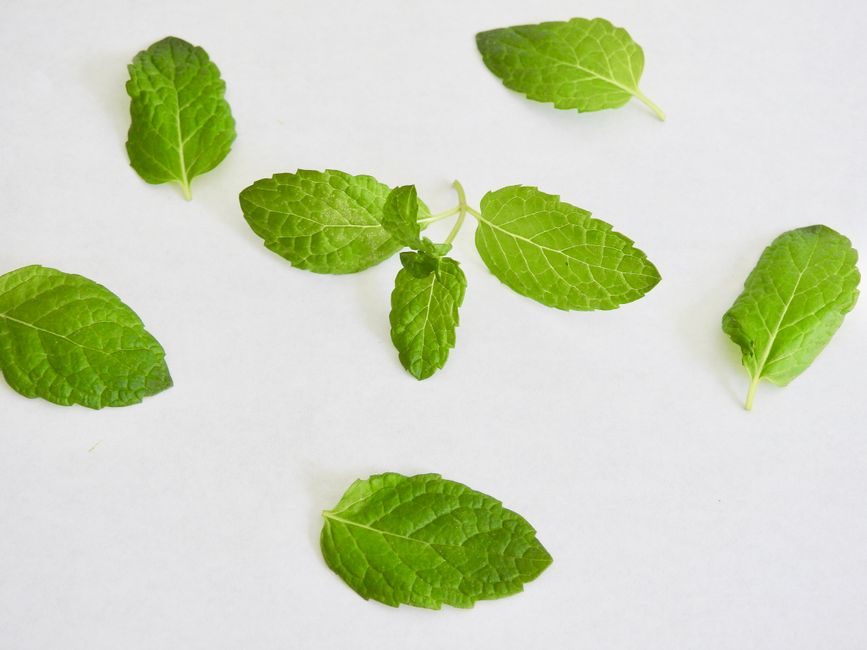
Begin with culinary herbs you can identify confidently, such as mint, basil, thyme or rosemary. Familiarity makes it easier to use them in food and notice their taste without guessing about an unfamiliar plant. If you are unsure of an identification, do not eat or brew it; confirm the plant with a reliable local source.
- Mistake: choosing a plant from a vague common name; better: confirm its full identity.
- Mistake: assuming every familiar herb is suitable for everyone; better: check individual cautions.
- Mistake: expecting a quick health result; better: use herbs modestly and seek care when needed.
Decide what you want from the herb before choosing a preparation. For cooking, a small amount of fresh basil may be all you need; for a warm drink, use an ingredient intended for that purpose and follow its directions. Keeping the goal modest discourages escalating use when an herb does not meet an expectation.
For a small herbal education project with limited resources, cheap press release distribution may be one option to investigate when sharing an announcement. Keep the announcement focused on the activity, such as a garden workshop, and avoid presenting general plant information as personal medical advice. Readers benefit when practical details and safety boundaries are easy to find.
Set a Simple Personal Goal
A useful starting goal is specific and easy to observe, such as adding more fresh herbs to meals or creating a relaxing evening drink. Avoid goals that promise to treat a condition, because that can lead you to delay appropriate care. A practical aim keeps the focus on a manageable daily habit.
Try one new herb at a time and keep the rest of your routine steady. If you change several ingredients or products together, it becomes harder to tell what caused a reaction or whether a habit suits you. A brief note of the plant, amount, preparation and response can help you make a careful decision.
Check with a pharmacist, doctor or other qualified professional if you take medication, have a health condition, or are considering regular medicinal use. This is especially important when choosing herbs for children, during pregnancy or while breastfeeding. Bring the product label or the plant's exact name so the discussion can address the specific preparation.
- Choose one familiar herb.
- Write down a modest purpose.
- Use one preparation at a time.
- Record any unexpected response.
Simple Ways to Include Herbs in Daily Routines
Build Habits Around Meals
Use culinary herbs in food as an easy way to explore their aroma and flavour. Tear basil over a meal, stir chopped parsley into a grain dish, or add thyme to a soup while it cooks. Food-based use keeps the focus on enjoyment and avoids assuming that concentrated products are needed for everyday wellness.
A small pot on a bright windowsill can keep commonly used leaves within reach, provided the plant gets suitable light and water. Harvest only what you need, using clean scissors, and avoid stripping the plant bare. If growing conditions do not suit a particular herb, dried culinary leaves are a practical alternative.
UK-based herbal educators seeking help with outreach may consider guest posting services uk when planning how to share practical, responsible information. Any public guidance should distinguish cooking suggestions from health claims and identify when readers need professional advice. Clear, useful communication helps people apply everyday herb ideas without mistaking them for medical instructions.
| Option | Best suited to | Practical consideration |
|---|---|---|
| Fresh leaves | Cooking and garnish | Wash and identify correctly |
| Dried culinary herbs | Cooking and storage | Keep sealed and dry |
| Herbal infusion | A warm drink ritual | Follow preparation guidance |
| Concentrated product | A stated product purpose | Check label and suitability |
Make a Gentle Drink Ritual
A simple herbal drink can turn an ordinary pause into a pleasant routine, but follow the directions for the herb or product you choose. Use a clean cup and water suitable for drinking, and avoid mixing several unfamiliar plants at once. A familiar single-herb infusion makes it easier to assess taste and tolerance.
Choose a drink for flavour or comfort rather than as a substitute for treatment. If you buy a packaged tea, read its ingredients and preparation guidance; if you use a garden plant, make sure the identification is certain and that it is intended for consumption. Do not assume a plant is safe because it grows nearby.
Notice how the ritual fits your day and whether you enjoy it. If you experience an unexpected reaction, stop using the herb and ask a qualified professional for advice, especially if symptoms are serious. People taking medication or managing health conditions should check suitability before making herbal drinks a regular medicinal habit.
- Food: add fresh leaves near serving time.
- Cooking: simmer suitable herbs in soups.
- Drink: prepare one familiar herb as directed.
- Garden: harvest only correctly identified plants.
Choose the simplest preparation that suits your aim: fresh or dried culinary herbs for flavour, or a product made specifically for a stated use.
Choose a Form That Suits the Herb and the Person
Match Form to Purpose
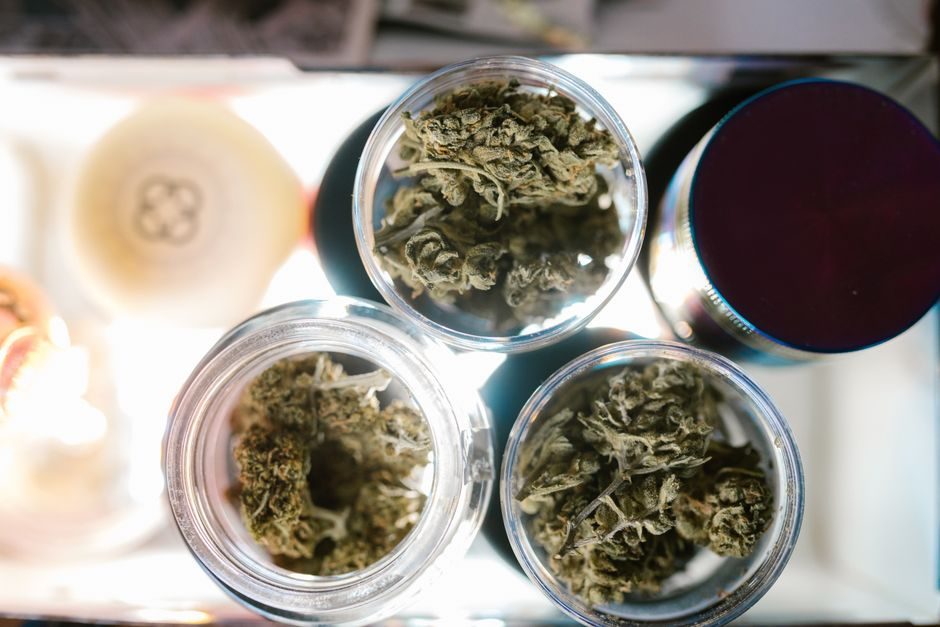
Choose the simplest preparation that suits your aim: fresh or dried culinary herbs for flavour, or a product made specifically for a stated use. Fresh leaves are convenient when available, while dried herbs store well and work in cooking. Concentrated extracts and supplements are different products, so do not treat them as equivalent to a pinch of seasoning.
- Identify the herb and the person using it.
- Choose a preparation that matches the intended purpose.
- Read the label and check relevant cautions.
- Ask a qualified professional when suitability is uncertain.
Check the label for the plant's full name, ingredients, directions and cautions before using a packaged product. If information is unclear, ask a pharmacist or another qualified professional rather than guessing. Community groups looking for professional support with outreach can use a marketing agency directory to identify agencies and review their services.
Think about the person who will use the herb, not only the plant itself. Age, pregnancy, breastfeeding, health conditions and medication can affect whether a preparation is appropriate. Seek professional guidance before medicinal use in these circumstances, and never give a child an adult product or dose without qualified advice.
Handle and Store Herbs Carefully
Store dried herbs in clean, closed containers away from heat, moisture and direct sunlight. Label each container with the plant name so it cannot be confused with another ingredient. Discard material that looks damp, mouldy, contaminated or unusually changed, and do not use a product if its identity or storage history is uncertain.
Wash fresh herbs under clean running water before using them, and keep them separate from raw foods that could contaminate ready-to-eat ingredients. Use clean utensils and prepare only what you need. Foraged plants require particular caution: pollution, pesticides and mistaken identification can make a seemingly healthy leaf unsafe.
Follow product directions rather than increasing the amount or frequency because an effect is not immediate. More is not automatically better, especially with concentrated preparations. Stop use and seek appropriate advice if you notice an unwanted response; for severe symptoms, get urgent medical help instead of trying another herb.
- Keep containers dry and clearly labelled.
- Separate fresh herbs from contamination risks.
- Follow the product's directions.
- Stop use if an unwanted reaction occurs.
Check Safety, Interactions, and Product Claims
Check Personal Safety First
Before trying an herb, check whether it is suitable for your age, health, and circumstances. Pregnancy, breastfeeding, chronic conditions, allergies, and regular medicines can all change what is safe. When any of these apply, ask a qualified health professional or pharmacist before using an herb medicinally, rather than relying on a general guide.
A familiar kitchen herb used in food is different from a concentrated extract or supplement. Preparation and dose affect exposure, and products can vary in strength. Keep medicinal use separate from seasoning until you understand the product, and do not assume that a plant is harmless simply because it is natural or commonly grown.
If you notice an unexpected reaction, stop using the product and seek appropriate medical advice; urgent or severe symptoms need urgent care. Keep the packaging or note the plant name and preparation so you can explain what you used. Never delay prescribed treatment or substitute an herb for care recommended by your clinician.
Read Labels With Care
Read the full label before buying an herbal product, including the plant name, plant part, ingredients, directions, and warnings. A common name can refer to different plants, so look for a clear botanical name when available. If the product does not identify what it contains or how to use it, choose a clearer option.
Treat promises to cure, detoxify, or work instantly as reasons to pause and investigate. Such language does not establish that a product is effective or appropriate for you. Look for restrained claims, transparent ingredient information, and guidance that distinguishes traditional use from evidence supporting a particular health effect.
Check whether the product includes other herbs, flavourings, or allergens, and read storage instructions. Ask a pharmacist or qualified practitioner about possible interactions, especially if you use prescription or over-the-counter medicines. A seller’s reassurance is not a substitute for individual advice, and an unfamiliar product should not be tested by taking more than directed.
Keep Notes and Build a Thoughtful Routine
Record What You Try
A brief record helps you distinguish a useful routine from a passing impression. Note the herb’s name, the form and amount you used, the time, and your reason for trying it. Add any changes you notice, including unwanted effects, without assuming the herb caused every difference in how you feel.
- ☐ Write the herb’s common and botanical names, if known.
- ☐ Record the form, amount, and time used.
- ☐ Note the purpose and any unwanted effects.
- ☐ Review entries before changing the routine.
Keep notes simple enough to maintain: a notebook beside your tea supplies or a private note on your phone can work. Record one change at a time where practical, so you can tell which part of the routine may be affecting your experience. Include relevant changes in sleep, food, medicines, or daily stress.
Review the notes after a reasonable period rather than judging a practice after one use. Look for repeated patterns, and mark uncertainty instead of forcing a conclusion. If symptoms persist, worsen, or concern you, take the notes to a health professional; a journal can support a conversation but cannot diagnose the cause.
Let the Routine Stay Flexible
Build a routine around habits you already have, such as preparing a familiar herbal infusion with breakfast. A modest, repeatable practice is easier to assess than several new products introduced at once. Leave room to skip it when you are unwell, travelling, or simply do not want it.
Choose a frequency and preparation that fit your day, while following product directions and any professional advice. Avoid increasing amounts because you have not noticed an immediate effect. If a routine involves a supplement or medicinal use, check its suitability rather than treating daily use as automatically safe.
Reassess whether the practice remains useful and comfortable. You can simplify or stop if it adds expense, effort, or unwanted effects, and there is no need to keep a routine out of obligation. If you are tracking a health concern, discuss persistent symptoms with a clinician instead of relying on your notes alone.
Share Reliable Herbal Education With Your Community
Make Learning Welcoming
A good community session gives people practical ways to learn while making clear where the limits of general information lie. Demonstrate a simple activity, such as smelling fresh leaves or comparing culinary preparations, and explain the plant’s identity before discussing uses. Invite questions without presenting personal experience as proof that an herb works.
Use plain language and make materials easy to revisit, with plant names, preparation details, and reliable sources clearly identified. Separate established safety advice from traditional practices and areas where evidence is limited. This helps attendees take away useful information without mistaking a demonstration or anecdote for individual medical guidance.
For educators sharing evidence-informed guidance with a wider audience, white label press release distribution can help communicate a workshop or public resource beyond the garden. Keep any announcement factual, name the intended audience, and direct readers to the underlying educational material. Outreach should support careful learning, not turn uncertain claims into promises.
Make Advice Easy to Verify
Give participants a way to check information after the gathering, such as a short reading list from health agencies, botanical references, or qualified clinical sources. Include the date you prepared the material so you can review it later. Avoid forwarding unattributed claims, which can become harder to assess as they circulate.
When questions go beyond your knowledge, say so and help the person find an appropriate professional or dependable source. Do not advise anyone to stop prescribed treatment, diagnose a condition, or use a plant in place of medical care. This boundary protects participants and keeps a community activity focused on education.
Gather feedback on whether instructions were clear and which topics need better explanation. Correct errors openly if you find them, and update handouts when safety guidance or source material changes. A welcoming learning space makes room for uncertainty; careful corrections build more trust than confident answers unsupported by good information.
Make Herbal Wellness a Gentle, Sustainable Practice
Choose Practices That Last
A sustainable herbal routine should fit your health, budget, space, and time rather than demand constant buying or preparation. Growing a familiar culinary herb in a pot, using fresh leaves in a meal, or making an occasional infusion may be enough. Start with what you can maintain, and let usefulness guide whether you continue.
If you are exploring ways to support public herbal education, MediaKit.uk is one possible publishing and outreach resource to learn about. Consider whether any outreach option fits your audience and purpose, and keep educational content accurate and appropriately cautious. Sharing information works best when the message remains more important than the channel used to distribute it.
Choose plants suited to your local growing conditions and use only plants you can identify confidently. Harvest modestly, leave enough growth for the plant to recover, and avoid collecting from places that may be contaminated. For purchased products, select only what you can use appropriately and store it as directed to reduce waste.
Keep Curiosity Grounded
Enjoying herbs can be as simple as noticing their scent, flavour, and seasonal growth. These sensory experiences can make everyday routines more attentive, but they do not prove a health benefit. Keeping that distinction clear lets you appreciate plants without expecting them to solve every discomfort or replace care.
When you want to try something new, return to the basics: identify the plant, clarify your purpose, check safety, and choose a suitable preparation. Introduce changes cautiously and pay attention to your response. If you have a health condition, take medicines, or are unsure, seek individual guidance before using an herb medicinally.
Let your practice change with the season and your needs. You might grow different culinary herbs through the year, share a recipe with neighbours, or pause a routine that no longer suits you. A thoughtful approach stays curious while accepting that some questions remain uncertain and that professional healthcare has an important place.
Frequently asked questions
Can I use several herbs together?Combining herbs can make it harder to identify which one caused an effect or reaction, and combinations may raise safety concerns. Start by checking each plant and preparation individually, and ask a pharmacist or qualified health professional about possible interactions, especially if you take medicines or have a health condition. Avoid adding several new products at once, and do not treat a blend as safe simply because its ingredients are familiar.
Are herbal teas always safe to drink?No. A tea’s safety depends on the plant, the amount, how often you drink it, and your personal health circumstances. Some herbs may interact with medicines or be unsuitable during pregnancy or for particular conditions. Check the identity and ingredients, follow reliable directions, and seek individual advice if you have health concerns. Ordinary culinary use is not the same as using a concentrated product or drinking a medicinal preparation regularly.
How can I tell whether an herb is correctly identified?Check the plant’s botanical name and compare it with a dependable botanical reference, rather than relying on a common name or resemblance alone. If you are foraging, ask a knowledgeable local expert to confirm the identification before harvesting or using the plant. Do not eat or prepare an uncertain specimen. Clear identification matters because different plants can share common names, and some lookalikes may be unsafe.
What should I do if an herbal product causes a reaction?Stop using the product and seek appropriate medical advice; seek urgent care for severe or rapidly worsening symptoms. Keep the packaging and note how much you used, when you took it, and any other medicines or products involved. This information can help a health professional assess what happened. Do not restart the product to test whether the reaction returns, and report concerns through the appropriate local safety system if advised.
A Steady Way to Explore Herbs
Everyday herbal wellness works best when curiosity is paired with clear identification, realistic expectations, and attention to safety. Choose familiar plants and preparations, check labels and possible interactions, and keep simple notes if you are trying a routine. Herbs can add flavour, sensory pleasure, and connection to growing seasons, but they are not a substitute for diagnosis or treatment when health concerns need professional care.
For a useful next step, pick one familiar herb and decide whether you want to grow it, cook with it, or learn about a traditional use. Confirm its identity, check whether your planned use suits your circumstances, and keep the first experiment simple. If medicines, pregnancy, or a health condition are involved, ask a qualified professional before using it medicinally.

Add Fresh Herbs as a preferred source on Google


