
Choosing Event Listings in the USA for Health Readers
A practical buyer’s guide for health-minded readers on listing events in the USA, with clear steps, pitfalls, and trusted options.

When you’re planning a health event in the United States, listing it clearly matters for attendance, safety, and credibility. This guide helps readers compare where to post, what each option offers, and how to avoid common mistakes. You’ll get practical steps, concrete examples, and plain language tips to make your event visible and trustworthy.
First, know your goals: reach people locally or nationally, stay within budget, and ensure accessibility. Then compare platforms by audience fit, moderation standards, and ease of use. Finally, choose a path that aligns with your health message and reduces friction for attendees.
This overview sets up a practical framework you can apply right away, with specific steps and checklists that map to common event types from wellness fairs to virtual talks.
- Identify your health event goal and audience first. Choose listings that match credibility and accessibility needs. Plan for local reach, privacy, and clear registration.
- Use a mix of reputable health platforms and local boards to balance credibility with relevance. Keep information consistent and easy to scan for readers.
- Create a reusable posting template and checklists to ensure accessibility, accuracy, and clear calls to action. Prepare fallback options for tech or attendance issues.
- Be cautious of jargon, ensure accessibility, and verify details before posting. Regularly review listings and provide updates after events.
Basics: what to know before you post
Audience fit and timing
Start by identifying who you want to reach: local participants, students, or professionals. Timing matters for attendance and engagement, so pick a date that doesn’t clash with major local events. Consider accessibility factors like transit and comfort for attendees with health needs. list your event in the USA
In this stage, you’ll map the event purpose to the posting channel and set realistic goals. Look for audiences that align with your health topic, whether nutrition workshops or mental health webinars.
Finally, confirm basic details early: title, location, date, registration method, and a brief health-safety note.
- Define target audience and preferred date
- Check venue accessibility and safety notes
- Choose a posting channel based on reach
- Prepare a short, accurate event summary
What counts as a health event
Health events include talks, screenings, workshops, and demos that offer verifiable health information or services. They can occur in person or online, with clear instructions for participation. Grounding the event in evidence helps build trust with your audience.
Assess whether the event requires professional oversight, consent forms, or accessibility accommodations. If you can’t confirm these basics, postpone posting until you can.
Clarify how attendees will benefit, such as learning a skill, making a plan, or connecting with local resources.
- Education-based sessions
- Screenings or demonstrations
- Interactive workshops
- Mental health discussions
How listing affects reach and safety

Platform reach and credibility
Different platforms attract different audiences. A local health department listing reaches nearby residents, while national wellness sites attract a broader crowd. Credible listings include clear author details, contact options, and transparent privacy policies. A useful resource on this topic: educationnv.com news.
Evaluate the platform’s moderation and content rules to ensure your posting remains compliant and respectful. Poorly moderated spaces can dilute your health message or expose attendees to misinformation.
Plan how privacy and safety will be handled, especially for events involving health data, minors, or sensitive topics.
- Local vs. national reach
- Moderation quality
- Privacy and safety measures
Creating accessible listings
Make your event information easy to scan: a short, descriptive title, a clear agenda, and simple registration steps. Use accessible formats such as large print or waveform-friendly content for virtual events.
Provide reasonable accommodations and a contact option for accessibility requests. Include sensory-friendly considerations where possible.
Test the listing on a device similar to what attendees might use, checking for broken links or unclear dates.
- Clear title and agenda
- Accessibility accommodations
- Device compatibility
- Error-free links
Options: where to post and why
Public health sites vs community boards
Public health sites lend authority and standardized guidelines, which helps credibility. Community boards offer local relevance and higher engagement for neighborhood events. add your business listing in the USA
- Choose primary platform with strongest credibility
- Add supplementary postings on local boards
- Synchronize event details across all listings
- Monitor and update as needed
Choose a mix: publish the core information on a reputable health platform, then post a concise summary on a local board with directions to the main listing.
Keep consistency across platforms so attendees don’t encounter conflicting details.
- Authority vs local relevance
- Cross-posting strategy
- Consistency is key
| Platform type | Reach and credibility | Accessibility and ease |
|---|---|---|
| Public health sites | Higher authority, standardized rules | Structured formats and accessibility options |
| Community boards | Local relevance, stronger engagement | Less formal, requires clear details |
| Hybrid platforms | Broader reach for events | Captions, transcripts, and join instructions |
Virtual events and hybrid formats
Virtual events expand reach without travel barriers but require robust tech setup. For hybrid formats, ensure both in-person and online audiences can access essential content.
Provide clear instructions for joining, test technology in advance, and have a backup plan if streaming fails.
Document accessibility options for online attendees, such as captions or transcripts.
- Test platforms in advance
- Offer clear join instructions
- Provide captions or transcripts
- Have a backup plan for tech issues
Preview the listing with someone unfamiliar with the topic to catch confusing phrases.
Pitfalls to avoid and common mistakes

Overloading listings with jargon
Jargon makes health information harder to grasp. Use plain language that explains benefits and steps without medical terms that require a glossary. used items for sale in the USA
Preview the listing with someone unfamiliar with the topic to catch confusing phrases.
Keep the main action visible: how to register and what the attendee gains.
- Plain language only
- Avoid medical jargon
- Clear call to action
Ignoring accessibility at posting
Accessibility isn’t a one-time checkbox. It includes language, formats, and options to participate for people with disabilities.
Provide alternate formats, offer translations if needed, and ensure registration interfaces are navigable with assistive tech.
Regularly review accessibility settings and update as requirements change.
- Alternate formats
- Translations when possible
- Accessible registration
- Ongoing reviews
Safe listings for local communities
Local relevance and audience fit
Choose listings that clearly serve wellness-focused communities nearby. Prioritize events with practical health benefits, like mindfulness workshops or nutrition talks, rather than broad buzz-focused gatherings. Describe what attendees will learn and how it translates to daily health improvements. online obituaries in the USA
If your event targets a specific neighborhood or city, include accessible details like venue, transit options, and childcare availability. This helps readers assess feasibility and safety, which matters for health-focused planning. Use plain language that explains the benefits and any health considerations.
- Clarify target neighborhood
- Include practical accessibility details
- Explain health-focused goals
- Offer safety considerations
Ethics and privacy in wellness events
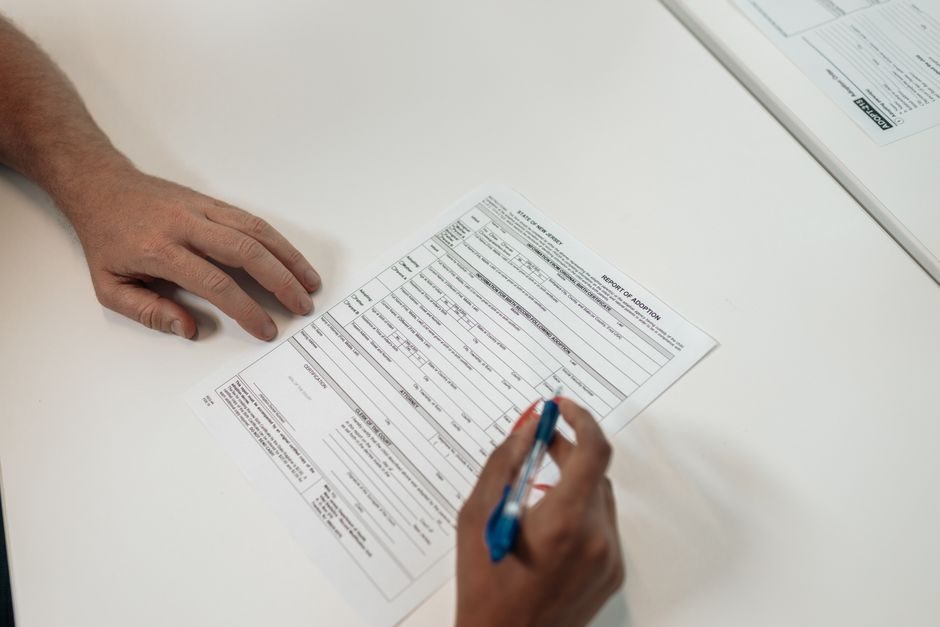
Consent, data use, and boundaries
Explain how attendee data is collected and used, and what choices people have. Be explicit about whether registrations are shared with sponsors or partners. This transparency builds trust, which is crucial for wellness programs that rely on participant engagement.
Describe measures to protect vulnerable participants, such as minors or individuals with medical conditions. State whether health information will be stored securely and for how long. Offer opt-out options for emails or follow-up communications.
Provide a clear privacy policy link and a quick summary in plain language at the top of the listing. This reduces confusion and aligns with ethical practices in health communications.
- State data collection practices
- Clarify sponsor and partner access
- Provide privacy protection details
- Offer opt-out choices
Monetization and sponsorship ethics
Sponsorship clarity and value
Disclose any sponsorships or paid placements associated with the event. Readers should understand what is being promoted and why it matters for health outcomes. Clear labeling helps prevent conflicts of interest and preserves trust.
- ☐ Reveal sponsorships up front
- ☐ Explain the health rationale
- ☐ Limit promotional language
- ☐ Provide sources for any claims
Offer objective health information alongside promotional content. If a sponsor provides products or services, describe evidence-based impacts and avoid exaggerated health claims. This keeps the listing respectful and credible.
Provide guidelines for sponsors, such as noninvasive wellness topics only and no misleading testimonials. This helps maintain the site’s integrity and reader safety.
- Disclose sponsorships
- Balance information with evidence
- Set sponsor guidelines
- Avoid exaggerated claims
Future-proofing your wellness events
Sustainable formats and accessibility
Choose formats that scale over time, such as recurring workshops or hybrid events. Prepare adaptable content that works both in person and online, which broadens reach while maintaining quality.
- Choose a scalable event model
- Develop onboarding materials
- Set safety and accessibility benchmarks
- Monitor feedback for iterations
Invest in clear onboarding for hosts and volunteers, including checklists and risk assessments. A well-documented process reduces last-minute chaos and keeps attendees safe and engaged.
Track attendance, feedback, and outcomes to refine programming. Use simple metrics like participant satisfaction and stated health benefits to guide future topics and improve safety measures.
- Adopt scalable formats
- Create onboarding checklists
- Use simple outcome metrics
- Plan for hybrid delivery
Frequently asked questions
How can I verify the health claims made in a wellness event listing?Look for listings that cite evidence-based practices and provide references or expected outcomes. If a claim seems vague or sensational, seek additional details about the method, duration, and potential risks. Prefer programs that describe how benefits are measured and monitored.
Is it necessary to have a formal credential for health events?Not always, but credibility matters. Look for organizers who provide clear contact information, a consistent wellness focus, and safety policies. If the event involves clinical advice, check whether qualified professionals are involved and whether attendees are advised to consult their own healthcare provider.
What safety details should be included in a local wellness event listing?Include venue accessibility, emergency procedures, and any health restrictions or precautions. Note if the event requires waivers or consent forms, and whether first aid or trained staff will be present. Clear transportation and parking information also helps attendees plan safely.
How should I handle sponsorships without compromising health information?Label sponsorships clearly and keep clinical content independent from advertising. Ensure that any health claims are supported by evidence and avoid testimonials that imply universal results. Provide a balanced view and invite questions from readers.
Closing considerations for health-first listings
When listing health events, prioritize clarity, safety, and evidence-based information over marketing appeal. A well-structured post helps readers assess relevance, safety, and potential health benefits before they commit to attending.
Next, ensure your listing includes practical details, privacy considerations, and transparent sponsorship disclosures so readers can trust the information and participate confidently.
Add Fresh Herbs as a preferred source on Google


