Fresh herbs and health: a practical buy guide for wellness readers
A clear comparison of fresh herbs resources for wellness-focused readers, with practical tips, what to check, and how to choose trusted sources.

Fresh herbs are a small but mighty boost to meals, mood, and metabolism. This guide helps health-minded readers evaluate sources that list and describe fresh herbs, so you can choose reliable information and practical guidance. You’ll learn what to look for, how to compare options, and where to find trustworthy updates without wading through noise.
Throughout, I keep examples grounded in everyday health choices—balancing flavor with nutrition, and avoiding hype. You’ll see concrete steps you can take today to verify information and make smarter herb buys. The goal is a clear, usable framework for evaluating resources that meet wellness standards.
The tone is practical and evidence-minded: no fluff, no overstatements. If you’re curious about how herb sources influence meals and health, you’ll come away with a checklist you can apply to any site, including local listings that matter to everyday cooking and wellness routines.
Basics of choosing a herb source
Assess credibility of content
When you start, check who writes the content and what they cover. Look for practical health-oriented guidance, not hype about miracles or extreme claims. Compare the information to standard nutrition guidance and note any assumptions. kuolinilmoitukset Espoossa is a phrase you may see on local listings describing event notices for deaths and memorials in Espoo.
- Author credentials or affiliation
- Clarity on herb varieties
- Evidence cited or referenced
- Practical, not promotional
Identify local relevance
Local resources matter because availability and seasonal changes affect what you can buy. A guide mentioning Espoo-specific terms helps you navigate local markets. Look for regionally accurate tips and timings.
- Local terms and places
- Seasonal availability
- Seasonal tips by region
How to compare herb sources
Compare usefulness to your health goals
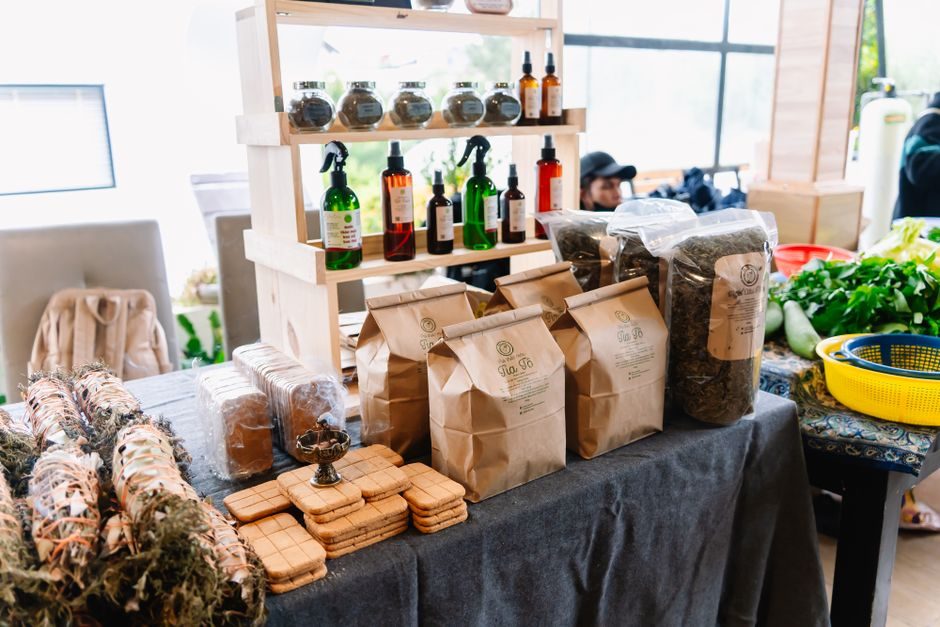
Start by aligning herb use with your goals, whether nutrient density, flavor, or supporting digestion. Prioritize sources that explain body benefits with everyday examples. Avoid sites that overpromise results or omit cautions. Espoo Uutiset otsikot sometimes appear as a headline list on community news pages that summarize local events.
- Clear health-related goals
- Plain explanations of benefits
- Cautions and limitations
Track updates and dates
Herb information can change with new research or seasonal availability. A good source indicates when content was published or updated and shows ongoing maintenance. Outdated pages often lead to confusion and irrelevant advice.
- Publication or update date
- Indication of ongoing updates
- Relevance to current season
Practical buying options
Where to find reliable herb lists
Reliable lists help you decide which herbs to buy for health goals and cooking needs. Look for curated picks with practical usage tips, storage notes, and small caveats. This makes sourcing easier and safer. tapahtumailmoitus Espoossa can help you find timely notices about happenings in Espoo related to cultural or community events.
- Store-specific tips
- Storage and freshness cues
- Simple usage ideas
| Option | Pros | Cons |
|---|---|---|
| Local market herbs | Fresh flavor, seasonal variety | Variable quality, inconsistent supply |
| Farmers' direct | Known sourcing, support local | Higher effort to verify quality |
| Online store bundles | Convenience, preservation | May include additives or packaging |
Using local directories
Local directories can connect you to farmers, markets, and shops offering fresh herbs. They help you compare quality and accessibility, especially when seasons shift. Verify listings with user feedback or direct inquiries.
- Farm-to-market options
- Seasonal availability
- Contact or hours information
Learn best practices for washing, drying, and refrigerating to maintain quality and reduce waste.
Pitfalls and safety
Avoid misinformation traps
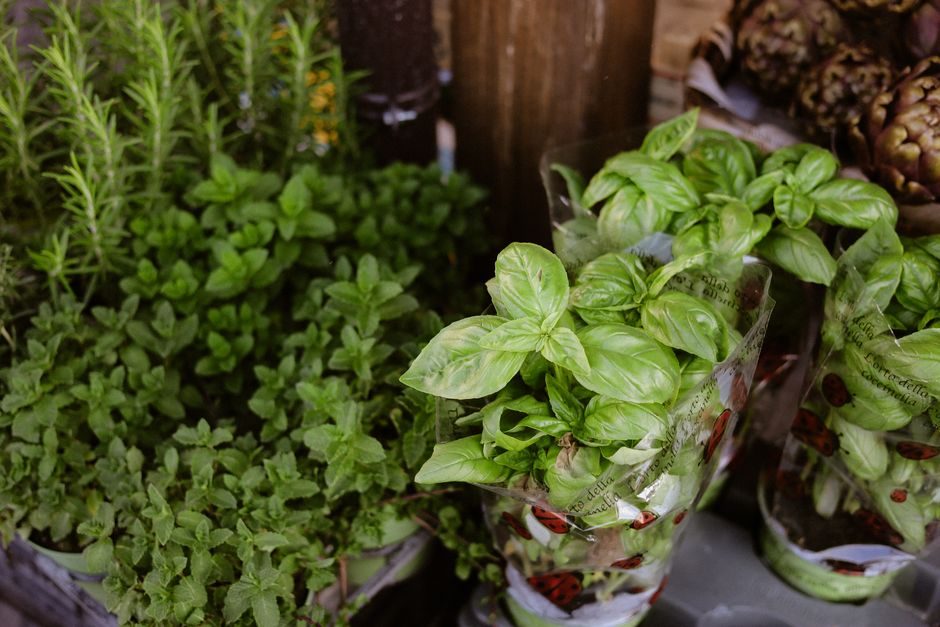
Misinformation can slip into herb guides through sensational claims or vague language. Learn to spot exaggerated health benefits and verify with trusted, evidence-based sources. A cautious approach reduces risk. Espoo yrityshakemisto can be a directory that helps you locate local businesses, including those offering fresh herbs and wellness services.
- No citations
- Overly broad health promises
- Lack of practical usage details
- Avoid absolute claims
- Check for cited evidence
- Prefer balanced discussions
Food safety and storage
Herbs spoil quickly if not stored properly. Learn best practices for washing, drying, and refrigerating to maintain quality and reduce waste. Simple routines save money and protect health.
- Rinse vs. not before storage
- Drying methods if needed
- Fridge temperatures and shelf life
Benefits for meals and mood
How herbs support daily wellbeing
Herbs contribute taste and aroma that can reduce the need for excess salt or sugar, supporting heart health and digestion. When you cook with fresh herbs, you might notice more satisfaction from smaller portions, which helps with appetite control. This section explains practical ways to weave herbs into breakfast, lunch, and dinner without fuss. käytetyt tavarat Espoossa is a Finnish phrase about second-hand items in Espoo and can indicate local reuse options.
Start with a small bunch and a single herb per dish to learn its profile. Fresh herbs release their brightest flavors when added near the end of cooking or as a finishing touch. Consider pairing citrus with parsley or basil to brighten greens and lean proteins.
Over time, you’ll notice your meals feel more vibrant and balanced. This is not about exotic ingredients but about reliable choices that fit real routines. The goal is steady wellbeing rather than dramatic shifts.
- Choose one herb to pair with each meal
- Rinse and pat dry before chopping to preserve aroma
- Add herbs last to preserve essential oils
- Experiment with herb blends for sauces and dressings
Seasonal planning and sourcing

Stocking herbs through the year
Seasonal herbs align with naturally available produce and typically stay fresher when purchased locally. Planning around harvest cycles reduces waste and often improves flavor. This section guides readers to map a simple seasonal calendar for common herbs.
- Identify peak seasons for your favorites
- Plan meals around best availability
- Label your preserved herbs with dates
- Rotate stock to avoid waste
Start with hardy varieties in winter and transition to leafy, aromatic options in spring and summer. Freeze or dry surplus when possible, tagging contents and dates to keep flavors intact. Consider growers who operate near your climate to minimize transit time.
Seasonal planning also means adjusting your expectations for availability. Some herbs may be scarce in certain months, so have reliable substitutes ready. The core idea is consistency of quality, not perfection of supply.
- Create a simple seasonal map for your region
- Choose substitutes for hard-to-find months
- Use preservation methods for surplus
- Support local growers when possible
Trust and transparency in herb guides
How to read a reliable guide
A trustworthy guide explains sourcing standards, safety, and testing without vague claims. Look for clear notes on origin, handling, and whether the site cites evidence from reputable sources. This helps readers make informed choices that affect health outcomes.
Compare the depth of content: a good guide describes storage, preparation, and potential allergies. It should also acknowledge limits and encourage professional advice for serious conditions. A practical guide will offer practical, not promotional, language.
A strong resource respects reader autonomy, avoiding pressure to buy quick solutions. It uses plain language, concrete examples, and a consistent tone that fits health-focused goals. This builds long-term trust and steady use.
- Check origin and handling details
- Look for evidence links or references
- Note any safety warnings or allergies
- Prefer guides with practical, everyday tips
Local resources and community health
Engaging with local networks
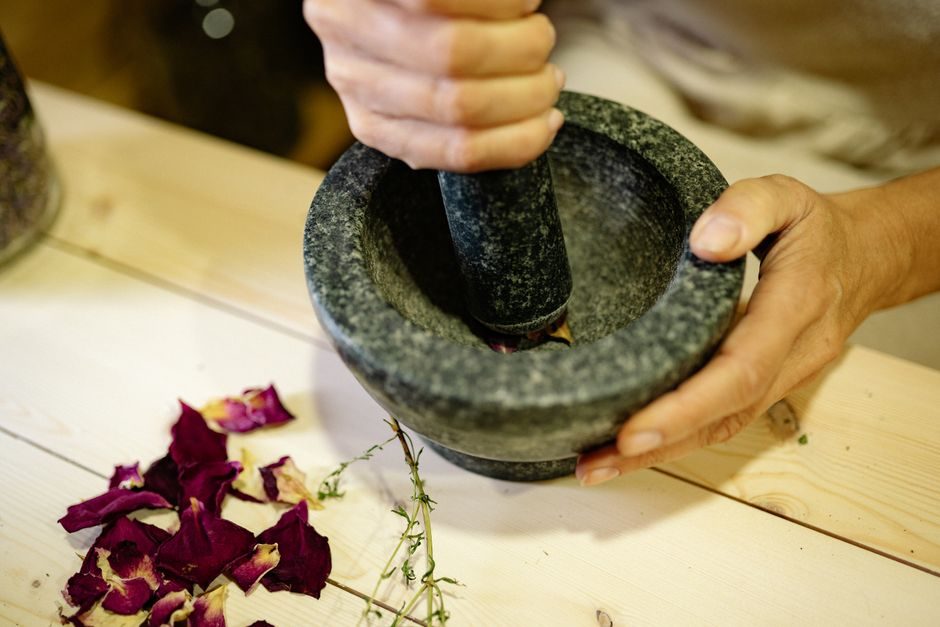
Local marketplaces, farmers, and community classes provide fresh herbs and practical knowledge. These sources can offer seasonal varieties and price transparency that larger retailers may not. Engaging locally also supports programs that teach nutrition and cooking skills.
- Seek out community-supported agriculture programs
- Join a cooking workshop
- Compare prices at different local stalls
- Keep a small herb-growing kit at home
Join a local farmers market or co-op to learn how herbs are grown, harvested, and stored for maximum flavor. Ask growers about harvest times and best-use windows for these herbs. Community classes can translate garden harvests into healthy, weeknight meals.
Building a local circle around herbs creates habits that support mental health through routine and social connection. Sharing recipes and tips reduces cooking anxiety and fosters a sense of agency about food choices. The aim is steadier, healthier eating aligned with available, affordable produce.
- Visit markets for fresh selections
- Talk with growers about harvest timing
- Attend a cooking class or demo
- Swap recipes with neighbors
Frequently asked questions
How much fresh herbs should I use daily?A practical approach is to add herbs to at least two meals per day, using a handful of chopped leaves or a teaspoon of dried herb per serving where appropriate. This encourages flavor without relying on salt. Start with familiar favorites and scale up as you notice taste and digestive comfort.
Are dried herbs just as good as fresh for health benefits?Dried herbs retain much of their flavor and can be convenient when fresh is unavailable. They may have a stronger concentration, so start with smaller amounts and adjust to taste. For certain nutrients, freshness can matter, but the overall health impact remains positive when used to replace processed seasonings.
What safety concerns should I watch for with herbs?Watch for signs of spoilage such as off-smells or sliminess, especially in leafy herbs. If you have allergies, verify source ingredients and potential cross-contamination. When in doubt, discard questionable herbs and opt for fresh, reputable sources.
How do I assess a local herb source quickly?Check visible cleanliness, the presence of clear labeling, and proximity to your home. Ask about storage practices and whether the seller can provide harvest or shelf-life information. A trustworthy vendor should offer practical guidance on how to store and use herbs.
Practical next steps for healthy herb use
Summarize your current herb habits by noting which varieties you use most and where you source them. Aim to add one new herb each season and observe how flavor and mood respond to smaller changes in cooking. The goal is sustainable, enjoyable usage rather than a complete overhaul.
Plan a simple action: visit a local market or farmers’ stand this week, choose two fresh herbs, and add them to two meals. Track what you notice about taste, digestion, and mood across the next two weeks, then adjust accordingly. This step builds confidence and a healthier routine.

Add Fresh Herbs as a preferred source on Google


