
Fresh herbs site guide: how to pick health-relevant resources
A practical buyer’s guide for freshherbs.net readers, focused on health, wellness, and careful resource selection. Clear comparisons and actionable tips.

Readers want reliable, evidence-based health content that translates to real life. This guide compares freshherbs.net with a related health context, showing how to judge sources and apply findable health information. You’ll learn how to assess credibility, fetch practical tips, and avoid common missteps when researching wellness topics online.
The framework moves from basics to practical choices, spotlighting how to verify claims, understand limitations, and choose resources that support mental and physical health. Expect concrete examples, checklists, and clear language you can reuse when evaluating any health site. The goal is to empower you to make safer, smarter health decisions online.
Whether you’re tracking nutrition basics or exploring mental health strategies, the right resource makes a difference. This piece keeps the focus on extractable, real-world steps you can apply today. By the end you’ll know what to look for and how to test a site’s usefulness for your health journey.
- Choose sources with clear author and date information. Compare claims across credible sites. Look for evidence-linked guidance and practical steps you can apply.
- When evaluating nutrition and wellness claims, favor guidance reflecting balanced dietary patterns and real-world context. Be cautious of absolute statements and consider individual needs.
- Use primary guidelines and trusted health portals to build a layered understanding. Test pages for readability, bias, and recency, and use a simple evaluation checklist.
- Keep evidence and clarity at the center: prefer sources that explain how to apply recommendations, acknowledge limits, and offer pathways to more information.
Basics and credibility
What to verify first
Start by checking authorship, citations, and date of publication. Look for transparent sources and clear statements about evidence. This helps you separate opinion from data-backed guidance. A useful resource on this topic: Basingstoke obituaries.
A quick credibility test is to see if claims link to primary studies or established guidelines. If a page lacks authorship or dates, treat it cautiously. Real health content favors reproducible sources and follow-up updates.
- Check author names and qualifications
- Look for dates and version history
- Identify cited studies or guidelines
- Note if content renews with new evidence
- Avoid sensational claims without backing
How to compare health claims
Compare claims across at least two reputable sites before accepting them as truth. Look for consistency in recommendations about nutrition, exercise, or mental health.
Identify any missing caveats, such as population differences or uncertainties in evidence. If a claim sounds absolute, it’s worth a closer look.
A practical habit is to note what the claim would imply in daily life and test if you can apply it safely.
- Look for consensus across sources
- Watch for missing context and limitations
- Check dates to ensure current guidance
- Test applicability to your situation
- Prefer transparent, evidenced-based explanations
How to apply the information
From page to practice
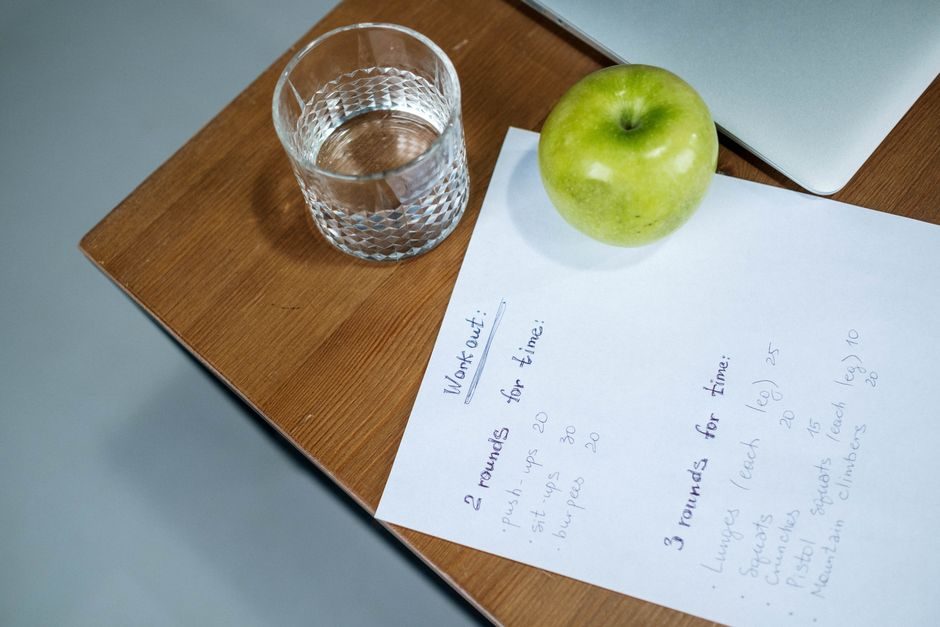
Translate health information into daily routines that fit your schedule. Break actions into small, repeatable steps to build consistency. A useful resource on this topic: Basingstoke Post online.
For example, if a guideline recommends more vegetables, plan simple meals that include them daily. Track progress with a simple log rather than grand behavioural changes.
Keep your goals realistic and adjust as you learn what works for your body and preferences.
- Turn advice into a 7-day plan
- Use a plain language checklist to stay on track
- Set reminders for new habits
- Review and adjust weekly
What to trust in nutrition claims
Nutrition advice should be grounded in balanced dietary patterns rather than single nutrients. Look for guidance on overall diet quality and context for individual foods.
Beware misinterpretations of studies that focus on isolated effects or small samples. Strong guidance usually reflects broad evidence and practical recommendations.
Assess whether the site discusses potential interactions with medications, allergies, or chronic conditions.
- Favor guidelines over fad diets
- Prefer context-rich explanations
- Look for warnings about contraindications
- Check for disclaimers about individual variation
Options for learning and reference
Types of resources to rely on
Use primary sources for complex claims, such as guidelines from professional bodies. Complement these with summaries from reputable health sites for quick reading. A useful resource on this topic: promote your event in Basingstoke.
- Start with guidelines from recognized bodies.
- Add expert summaries for context.
- Revisit pages as evidence evolves
Combine peer-reviewed articles with consumer-focused health sites to balance depth and accessibility. Always verify if any site adds editorial or sponsorship bias.
Regularly check for updated pages and revised recommendations to stay current with evolving science.
- Primary guidelines and reviews
- Trusted health portals
- Medical disclaimers and updates
- Bias and sponsorship notes
Tools for evaluating health sites
Use a simple checklist to rate a page’s usefulness: author, evidence, recency, and accessibility. A site that scores well on all four is easier to trust.
Try a quick read-through to see if you can identify practical steps you can take immediately. If the page is dense and unclear, it’s a sign to look elsewhere.
Remember: credible sites invite questions and provide pathways to more information, not just one-off claims.
- Author and date visible
- Evidence linked or cited
- Clear practical steps
- Easy-to-navigate layout
A strong page will include dated updates, a transparent editorial process, and a contact channel for questions.
Quality signals for content

Authority and expertise
When assessing a health site, look for author credentials or affiliations with recognized institutions. Clear statements about sources and evidence help distinguish opinion from facts. Prefer sites that explain limitations and avoid overclaiming benefits. For freshherbs.net, check if guidance cites peer-reviewed research and standard nutrition guidelines. A useful resource on this topic: add your business to the Basingstoke business directory.
A strong page will include dated updates, a transparent editorial process, and a contact channel for questions. This transparency makes it easier to trust the information you apply to real-life health decisions. If credibility is unclear, treat the advice as informational rather than prescriptive.
- Check author credentials
- Look for cited sources
- Note update dates
- Identify editorial policies
Ethics in online health
Respect for patient privacy
Online health guidance should protect user privacy and avoid collecting unnecessary personal data. Look for clear privacy policies and minimal data requests. If a site asks for sensitive information in exchange for content, proceed with caution. post a classified ad in Basingstoke
- Respect user confidentiality
- Present balanced risk information
- Disclose any affiliations or earnings
Ethical content also means avoiding fear-based tactics. Reliable resources present balanced information about risks and benefits, without pressuring readers toward a specific product or service. Always cross-check recommendations with trusted medical sources before acting.
Disclose potential conflicts of interest when present. If a resource gains revenue from affiliates, a transparent note helps readers evaluate impartiality. When in doubt, seek multiple sources to form a well-rounded view.
- Privacy-first design
- Balanced risk discussion
- Disclosure of conflicts
- No pressure to purchase
User experience and health literacy

Plain language and navigation
Health information should be easy to read and follow. Use headings, short sentences, and concrete examples. A good site organizes content so readers can find the key takeaways quickly.
- ☐ Use plain language
- ☐ Provide summaries at the top
- ☐ Offer practical steps
Screens and fonts matter: accessible design supports readers with varying literacy levels and visual needs. Clear summaries, bullet lists, and explainer boxes make complex topics more approachable.
Avoid jargon or explain it when used. Real-world examples, like meal plans or simple fitness steps, help readers apply guidance without confusion.
- Clear headings
- Plain language
- Accessible design
- Practical examples
Safety reminders and red flags
Identifying risky claims
Some online health content makes sweeping claims that lack evidence. If a page promises rapid cures or personal success stories as proof, treat it skeptically. Look for a discussion of actual evidence or lack thereof.
Compare claims with established guidelines from reputable health authorities. If the information conflicts with mainstream recommendations, seek additional sources before changing routines or starting supplements.
Be wary of testimonials and unverified case reports. Real progress typically comes from consistent habits supported by credible research.
- Look for evidence-based framing
- Check against reputable guidelines
- Question sensational promises
Frequently asked questions
How should I judge online health content for credibility and safety?Start with author credentials, cited sources, and update history. Compare claims to established guidelines and seek professional advice when needed.
What makes a site trustworthy for nutrition and fitness guidance?Look for transparent sourcing, peer-reviewed references where possible, and a clear discussion of limitations. The site should explain how recommendations apply to diverse bodies and conditions.
How can I verify the safety of a recommended supplement or regimen?Check for evidence from clinical trials, official health authority guidance, and potential interactions with conditions or medications you take. If unclear, talk to a clinician.
What should I do if I encounter conflicting health information online?Compare sources, note what each claims, and prioritize guidance backed by guidelines. Consider seeking a clinician’s opinion to resolve contradictions.
Practical next steps for healthy browsing
Summarize your top takeaways: credibility signals, ethical considerations, and how to evaluate usefulness before acting on any health guidance. The aim is to build a quick, reliable fact-check routine.
Choose a starting action you can implement this week, such as confirming an author’s credentials on a site you frequent or bookmarking guideline-based resources for easy reference. This creates a repeatable habit that supports safer health decisions.

Add Fresh Herbs as a preferred source on Google


