
How to find healthy community events in Spain for your wellness routine
A clear guide to evaluating and choosing community events in Spain that support fitness, nutrition, and mental health goals.

If you want to support your health while expanding your circle, start with community events that focus on wellness. This guide explains how to assess what’s available in Spain and how to pick activities that fit your goals, safety needs, and schedule. You’ll learn practical steps to turn local events into ongoing health benefits.
First, prioritize events that align with your fitness, nutrition, and mental health aims. Consider size, setting, and accessibility. Then create a simple plan to trial a few sessions and track what helps you feel better over time.
Finally, look for trustworthy sources and practical tips to stay consistent. The aim is to build a routine that is enjoyable, sustainable, and safe for your current level of activity.
- Start by identifying local wellness events that fit your health goals and safety needs.
- Evaluate each option on structure, facilitator quality, and accessibility before committing.
- Balance indoor and outdoor experiences and prefer programs with clear progression and practical takeaways.
Basics of finding events
Where to start locally
Begin with community boards, local gyms, and municipal calendars to spot wellness events. Look for activities like group walks, beginner Yoga, and nutrition talks. If you have a health condition, choose events with accessibility options and staff who can adapt exercises. A useful resource on this topic: eventos de la comunidad en España.
- Overcommitting to too many events at once.
- Choosing events based on popularity rather than your needs.
- Ignoring safety or accessibility notes
A practical approach is to check a month at a time and mark dates that suit your rest days. Note the event’s skill level and required equipment. This saves time and reduces frustration when you show up.
Keep a simple log of events you attend, including what you learned and how you felt afterwards. This helps you compare benefits over several weeks.
- Check location and transport options
- Confirm accessibility and language
- Record what you hope to gain
- Plan a post-event reflection
- Schedule a trial visit
What makes a good event for health
A good event provides clear goals, qualified facilitators, and a welcoming environment. It should offer options for beginners and include practical takeaways you can use at home. Look for a focus on safety, gradual progression, and evidence-based content.
Evaluate how an event handles warm-ups, progression, and cooldowns. If these elements are missing, you may not get a sustainable or safe experience.
Keep expectations realistic: a single session can inspire motivation, but consistency matters more for health gains.
This section will help you distinguish between motivational hype and genuine, useful guidance that you can apply day to day.
- Clear goals and structure
- Qualified facilitators
- Evidence-based content
- Safety and accessibility
- Practical takeaways
How to choose with goals in mind
Set your health priorities
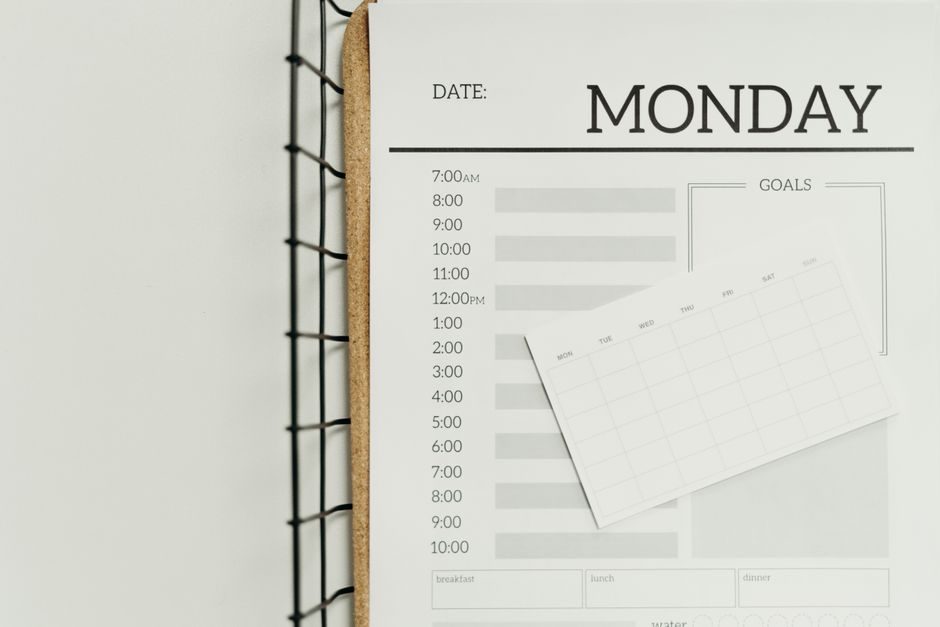
List your top health goals for the next month, such as improving mood, increasing daily steps, or learning mindful breathing. Use these to filter events with similar aims. This keeps your choices aligned with real benefits, not novelty. A useful resource on this topic: últimas noticias España.
Before you sign up, check if the event supports your current level and if you can adapt movements to your limits. A good match won’t push you past safe thresholds.
Document a simple plan: two weeks of attendance, a couple of home practices, and a way to assess mood and energy changes.
- Mood and energy tracking
- Step or distance targets
- Mindfulness and stress tools
- Adaptable activities
- Realistic time commitments
Safety and practicalities
Choose events that provide a basic safety briefing and access to first aid. Bring water, appropriate footwear, and any required medication or equipment. If transport is an issue, look for events within walking distance or transit-friendly areas.
Ask about refunds or rescheduling if you’re unwell or have to miss a session. A transparent policy protects your schedule and motivation.
Finally, assess the environment: indoor venues with good air quality and adequate space reduce risk and distraction.
- Bring essentials
- Know cancellation policies
- Check venue safety
- Verify accessibility and comfort
- Choose daytime sessions if fatigue is a concern
Options for different needs
Indoor vs outdoor benefits
Indoor activities offer predictable conditions and controlled safety, which can help beginners. Outdoor sessions expose you to fresh air and daylight, which may improve mood but add weather considerations. A useful resource on this topic: listado de empresas en España.
If you’re sensitive to weather or have joint issues, pick indoor options with flexible pacing. If you enjoy variety, outdoor events add novelty that can boost adherence.
Test a mix of both to see which setting works best for your current health status.
- Indoor: stable pace
- Outdoor: exposure and variability
- Weather considerations
- Adaptability of activities
| Option | What it offers | Ideal use case |
|---|---|---|
| Indoor programs | Predictable safety, steady pacing | Beginners and winter weeks |
| Outdoor sessions | Mood benefits, daylight exposure | Varied climates and social settings |
| Free vs paid | Structure vs flexibility | When cost matters and you want continuity |
Paid vs free events
Free events are a low-risk way to explore what you enjoy, but paid classes often offer consistent schedules and better coaching. Weigh the value of a longer program against the cost.
If money is tight, ask about sliding scales, community grants, or trial credits. Don’t assume free equals lower quality or that paid equals better outcomes.
Aim for a stable routine rather than a single standout session.
- Trial options
- Check refunds or credits
- Assess coaching quality
- Budget for continuity
Ignoring personal limits leads to burnout or injury; listen to your body and modify movements.
Pitfalls and guardrails

Common missteps
Relying on a single event for all health gains can stall progress. Diversify activities to cover strength, cardio, and mind-body work. A useful resource on this topic: segunda mano en España.
Overcommitting can backfire if fatigue or injury arises. Start slow and build capacity gradually.
Ignoring personal limits leads to burnout or injury; listen to your body and modify movements.
- Diversify activities
- Gradual progression
- Respect rest days
- Listen to your body
Sustaining your habit
Consistency beats intensity. Set a realistic schedule that you can repeat weekly and adjust with changing seasons or commitments.
Use reminders, buddy systems, or small rewards to reinforce routine. Track improvements in energy, sleep, or mood to stay motivated.
If interest wanes, rotate through different events to renew curiosity and prevent boredom.
- Weekly rhythm
- Social support
- Progress tracking
- Rotation of activities
Choosing credible sources
Identify authoritative organizers
Begin with organizers that clearly state their mission, qualifications, and affiliations. Look for official websites or recognized health institutions to verify credibility. A transparent calendar and contact details signal reliability, not just promotional blurbs. Celebrating regional wellness events can connect you with supportive communities and relevant activities, including homenajes y necrológicas en España.
Cross-check events across multiple trusted sources before committing. Compare dates, venues, and program highlights to spot inconsistencies. If information is vague, treat the event with caution and seek further confirmation.
Prioritize sources that provide evidence-based health content or partnerships with medical or wellness professionals. This reduces the risk of misinformation and ensures practical, safe guidance for your routine.
- Official organizer name matches on all listings
- Clear health credentials or affiliations
- Public contact information available
- Consistent event details across pages
- Evidence-based program materials
Assess health claims
Evaluate the health claims made for activities or therapies featured at the event. Distinguish between general wellness tips and medical advice requiring supervision. If something seems extraordinary, it likely needs extra scrutiny.
Check whether claims cite sources or align with mainstream guidelines. Beware testimonials that lack measurable outcomes or vary widely between participants. Grounded events emphasize safety, consistency, and practical takeaways.
Ask organizers for evidence of safety protocols and accessibility considerations. A credible event will outline risk management, inclusivity, and reasonable expectations for beginners.
Evaluating community health events
Match with your goals
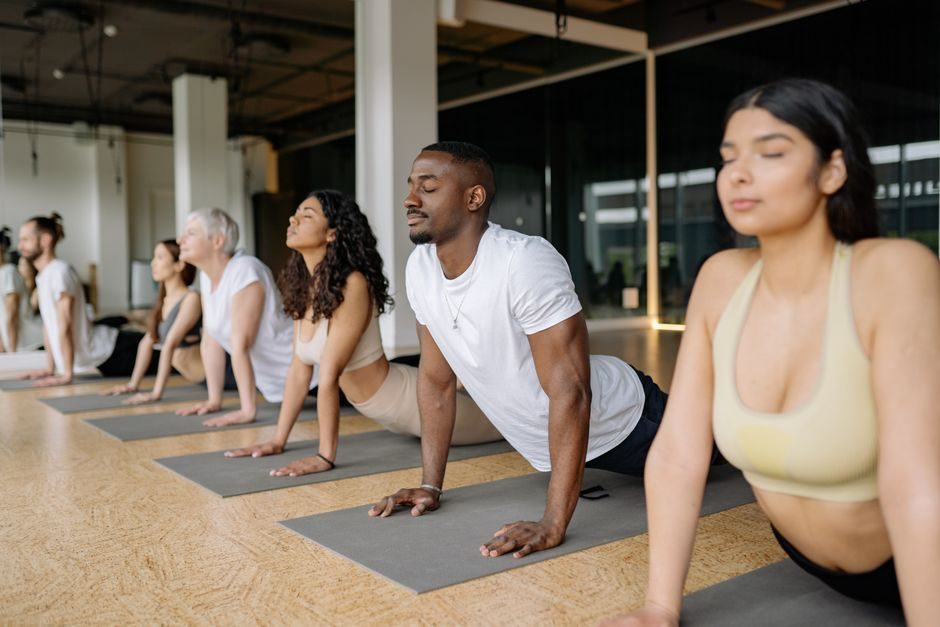
Begin by mapping your personal wellness goals to what the event offers. If you aim to improve mobility, look for classes focusing on movement patterns rather than high-intensity workouts. If stress management is your priority, prioritize breathwork or mindfulness sessions.
Assess the level of instruction and whether there are options for beginners. Clear progression tracks help you avoid overexertion and reduce injury risk. Programs that scale with experience tend to support long-term adherence.
Consider the setting and schedule. Consistency matters more than intensity; choose formats that fit your weekly routine and energy rhythms.
- Clear goal-aligned sessions
- Beginner-friendly options
- Progression paths
- Suitable scheduling
Check accessibility and safety
Accessibility matters for sustained participation. Look for venues with wheelchair access, quiet spaces, and clear signage. Ensure there are accommodations for sensory or mobility needs.
Safety protocols should be explicit, including instructor qualifications and emergency procedures. If you have medical considerations, confirm whether the event allows modifications or requires a health clearance.
Reading reviews from past participants can reveal practical barriers or supportive practices you might encounter. A safe, welcoming environment helps you stay consistent in your routine.
Spanish directories and listings
Use regional wellness calendars
Regional calendars often categorize events by theme and audience, making it easier to find wellness-friendly activities. Start with larger regional health networks that curate events for residents. Filter by your city to avoid distance and time waste.
- Myth: Bigger national listings replace local detail.
- Fact: Local calendars provide precise venue, time, and accessibility information essential for planning.
Leverage municipal culture or sports departments that publish wellness-focused programs. These listings are more likely to include safety guidelines and accessible options. Regularly updating calendars helps you catch new opportunities.
Create a short list of trusted regional sources and check them weekly. Consistency yields a steady stream of practical, local options you can actually attend.
- Regional wellness calendars
- Municipal health programs
- City-focused listings
- Weekly checks
Navigate with search terms
Refine searches with practical terms like 'yoga in Madrid beginners' or 'mindfulness workshops Valencia'. Specific phrases reduce noise and increase relevant results. Save searches and set alerts for new events.
Pay attention to venue proximity and outdoor vs indoor formats. If you prefer outdoor activity, verify weather policies and indoor backup plans. Precise filters save time and improve match quality.
Keep a simple tracking method for what you’ve found and what you’ve attended. A short note on each event’s fit helps you build a personal wellness map over months.
Finding second-hand wellness resources

Second-hand wellness networks
Explore local groups that swap or share wellness experiences, such as running clubs, community gardens, or volunteer-led fitness meetups. These networks often prioritize affordable, accessible options and peer support. You can gain practical tips from people with similar goals.
- ☐ Peer support matters for consistency
- ☐ Try brief, low-cost sessions first
- ☐ Record useful contacts and tips
Attend a casual session to gauge fit before committing. Look for inclusive norms, respectful communication, and clear expectations about participation. Shared practices can complement formal classes without high costs.
Document what you learn and who you meet. Building a small circle of reliable partners increases accountability and consistency in your routine.
- Peer-led fitness groups
- Affordable shared activities
- Community gardens and walks
- Volunteer-powered events
- Inclusive environments
Volunteering as a health pathway
Volunteering can align with health goals by increasing activity levels while building social ties. Roles like event setup, participant support, or outreach can provide structure without a fee. Choose opportunities that fit your energy and schedule.
Use volunteering as a way to learn new health skills and meet mentors. You may discover new exercise styles or mental wellness strategies through hands-on involvement. It also reinforces a routine by adding regular time commitments.
Balance is key; ensure volunteering doesn’t compromise rest and recovery. If you’re anxious about new environments, start with small, predictable tasks and expand as you feel comfortable.
Frequently asked questions
How can I tell if a community health event will suit my wellness plan?Start by aligning the event with your current goals and energy levels. Check for beginner-friendly options, clear safety guidelines, and evidence of supportive instruction. The best events provide practical takeaways you can implement at home and adjust to your routine.
What should I do before attending a new event?Review the organizer’s credibility, confirm the venue accessibility, and note any required equipment. If you have health concerns, contact the organizer or your clinician to confirm whether participation is appropriate. Arrive early to acclimate to the space.
Is it okay to attend alone as a beginner?Yes, many beginners start solo and build confidence through small, repeatable actions. Choose events with welcoming facilitators and beginner guidance. If possible, invite a friend to increase accountability and safety.
How do I balance online and in-person wellness options?Use online formats to supplement in-person sessions, especially when scheduling is tight. Ensure there is a clear plan to integrate learnings across formats, and prioritize activities that contribute to your regular routine. Reassess monthly to maintain momentum.
Sustaining your wellness through local options
Local wellness events can meaningfully support habits you want to embed in daily life, from movement to mindfulness. The key is choosing credible sources, evaluating claims, and leveraging community resources that fit your goals and pace. Build a short list of trusted organizers and check in with them monthly to stay aligned with your routine.
Take one practical step this week—perhaps attending a beginner-friendly class or joining a community group for a low-cost activity. Track your experience for two weeks, noting energy, mood, and adherence. If a path feels right, deepen your commitment and expand gradually to reinforce lasting health habits.
Add Fresh Herbs as a preferred source on Google


