How to Grow a Thriving Indoor Herb Garden Year-Round
Learn how to grow herbs indoors with practical advice on light, plant choices, containers, soil, and watering for a healthy harvest in every season.

To grow herbs indoors, place them in your brightest suitable spot, use pots with drainage holes and a free-draining potting mix, then water when the surface begins to dry. Start with herbs suited to your light and cooking habits, such as chives or parsley in moderate light and basil in a sunnier window. Harvest lightly and adjust care as the seasons change.
A small setup can work well: a windowsill, a few pots, and plants you already use in the kitchen. Check the light at different times of day before buying supplies, since a bright-looking room may still be too dim for sun-loving herbs.
This checklist covers how to choose a spot and plants, compare containers and soil, and build a straightforward watering routine. Use the guidance to start with a manageable group, observe how it responds, and make changes based on the plants rather than a fixed schedule.
- Give herbs the brightest suitable spot and choose plants that match its light.
- Use pots with drainage holes and a free-draining mix.
- Check soil before watering, since pots and rooms dry at different rates.
- Start small, harvest lightly, and adjust care as plants respond.
Start With a Sunny Spot and Realistic Goals
Read the Light in Your Room
Put herbs where they receive the strongest natural light, often near a south- or west-facing window in the Northern Hemisphere, with orientation reversed in the Southern Hemisphere. Watch the spot through the day before settling on it, because a nearby building, deep overhang, or curtain can block useful sun. Bright, indirect light suits some herbs, but many culinary favorites need several hours of direct light.
Look for clear signs that a spot is too dim: stems stretch toward the glass, leaves become sparse, or new growth stays weak. Rotate pots now and then so plants do not lean in one direction, but do not expect rotation to make a dark location bright. If natural light is limited, a grow light placed according to its instructions can supplement it.
Decide what the space can support before buying plants or equipment; a single bright sill may be better suited to a few compact pots than a crowded collection. If you are comparing imported pots or grow lights priced in lira, anlık döviz fiyatları can help you understand the quoted amount in context. Let the growing conditions, not the size of a shopping list, guide your setup.
- Observe direct sun at different times of day.
- Keep leaves clear of heavy curtains.
- Use a grow light if natural light is weak.
Match Plants to Your Space
Set a realistic goal by choosing a few herbs you cook with often and can fit comfortably in the available light. A compact windowsill might hold chives and parsley, while a larger, sunnier area can accommodate basil as well. Keeping the first planting small makes it easier to spot problems and learn each plant’s needs.
Allow air to move around leaves and leave room to reach each pot for watering and harvesting. Crowded foliage dries slowly and can make it harder to notice pests or yellowing leaves. If the only available surface is narrow, choose compact plants and separate them rather than squeezing several pots together.
Think about how you will use the harvest: frequent cooking calls for plants that can regrow after careful picking, while occasional use may suit a smaller pot. Start with healthy plants or seeds that match your experience and conditions. You can expand later once you know how much light, space, and attention your indoor garden can reliably provide.
Choose Herbs That Suit Indoor Conditions
Begin With Reliable Favorites
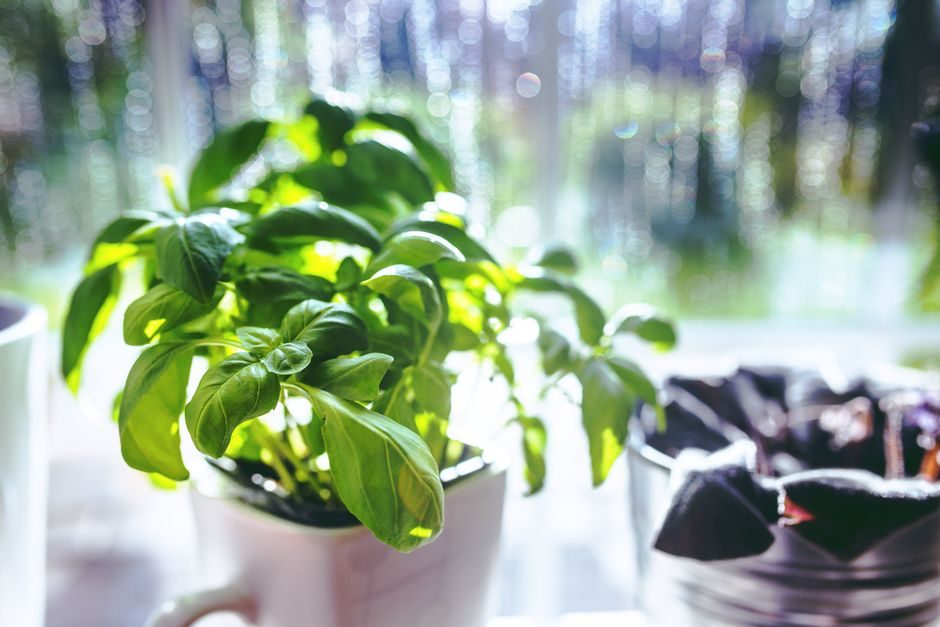
Choose herbs according to the light you have, not just the recipes you hope to make. Chives, parsley, and mint can be practical starting choices where light is moderate, while basil generally performs better in a warm, bright position. Even adaptable herbs need suitable conditions, so watch their growth and move a pot if it becomes leggy or weak.
Mint grows vigorously and is best kept in its own container, where its roots cannot crowd neighboring herbs. Chives offer narrow leaves that are easy to snip for soups and eggs, while parsley is useful for garnishes and cooking but can take time to establish from seed. Growing one or two kinds first helps you learn their distinct growth habits.
Buying a small, healthy starter plant can give a beginner a quicker read on how an herb responds than sowing several varieties at once. Look for firm stems and fresh leaves, avoiding plants with extensive yellowing or crowded, tangled roots. If starting from seed, follow the packet’s sowing depth and temperature guidance rather than covering every kind of seed alike.
- Keep mint in a separate pot.
- Try chives for a compact, frequently harvested herb.
- Choose basil for a warm, bright location.
Check Growth Habits Before Planting
Consider how large an herb becomes and how often it needs picking before placing it beside other plants. Woody herbs such as rosemary prefer bright conditions and a potting mix that drains well, so they may not suit a dim, frequently damp corner. A plant that thrives outdoors in a mild climate may still struggle indoors without enough light and airflow.
Read plant labels for mature size and care needs, then give each herb enough room for leaves to spread without pressing against glass. Avoid planting herbs with very different moisture preferences together in one pot, since one may wilt while another remains too wet. Separate containers let you adjust watering and position each plant independently.
Harvest by taking small amounts from established plants rather than stripping stems bare. Pinching the tips of some herbs encourages branching, while regular snipping can keep growth useful for cooking. If an herb repeatedly produces thin stems or loses leaves despite sensible care, treat that as feedback about its location or suitability, not a reason to add more fertilizer automatically.
Compare Containers, Soil, and Imported Supplies
Choose Pots With Drainage
Use containers with drainage holes so excess water can escape instead of collecting around roots. A pot should be large enough to hold the plant’s root ball with some room to grow, but an oversized container can stay wet for too long. Set pots on saucers to protect the sill, and empty standing water after it drains.
- Choose a pot with drainage holes.
- Cover the growing area with fresh container mix.
- Set the herb at its previous soil depth.
- Water until excess drains, then empty the saucer.
Plastic pots are light and retain moisture longer, while unglazed clay pots dry more quickly through their sides. Either can work indoors if you adjust watering to the material and the plant’s needs. For Turkish gardeners ordering seeds from overseas, an online döviz çevirici can make it easier to compare the seller’s currency with the amount charged at home.
Use a fresh, free-draining potting mix intended for containers rather than dense garden soil, which can compact in a pot and restrict airflow around roots. Check that the mix holds some moisture but does not remain soggy after watering. When comparing imported supplies, first confirm that the product suits edible plants and fits the container setup you actually need.
- Check for drainage holes before planting.
- Use saucers, then empty excess water.
- Choose pot size to suit the root ball.
| Choice | Useful for | Watch for |
|---|---|---|
| Plastic pot | Steadier moisture | Soil may stay wet longer |
| Unglazed clay pot | Faster drying | Check soil more often |
| Fresh potting mix | Container-grown herbs | Avoid compacted garden soil |
| Pot with drainage holes | Allowing excess water to escape | Use a saucer underneath |
Compare Materials and Mixes
Match the container material to how quickly the plant’s soil dries in your room. Clay can be helpful for someone who tends to overwater, but it may need more frequent checks in a warm, dry space. Plastic can suit herbs that prefer steadier moisture, provided the mix drains freely and the pot has holes.
A basic indoor potting mix is suitable for many culinary herbs; avoid heavy soil that becomes hard or waterlogged. If a mix dries out too quickly or packs down, reassess its texture before adding amendments. Do not place stones in the bottom as a substitute for drainage holes, since they do not solve poor water flow through the pot.
Keep purchases focused on the essentials: a suitable container, fresh potting mix, and a saucer are enough to begin. Compare labels for intended use and handling instructions, and avoid buying specialized products unless a specific plant need justifies them. The best setup is one you can maintain easily, with pots that drain and a growing medium that supports roots without staying saturated.
Check the soil with a fingertip before watering instead of following a fixed calendar.
Set Up a Simple Watering Routine
Check Soil Before Watering
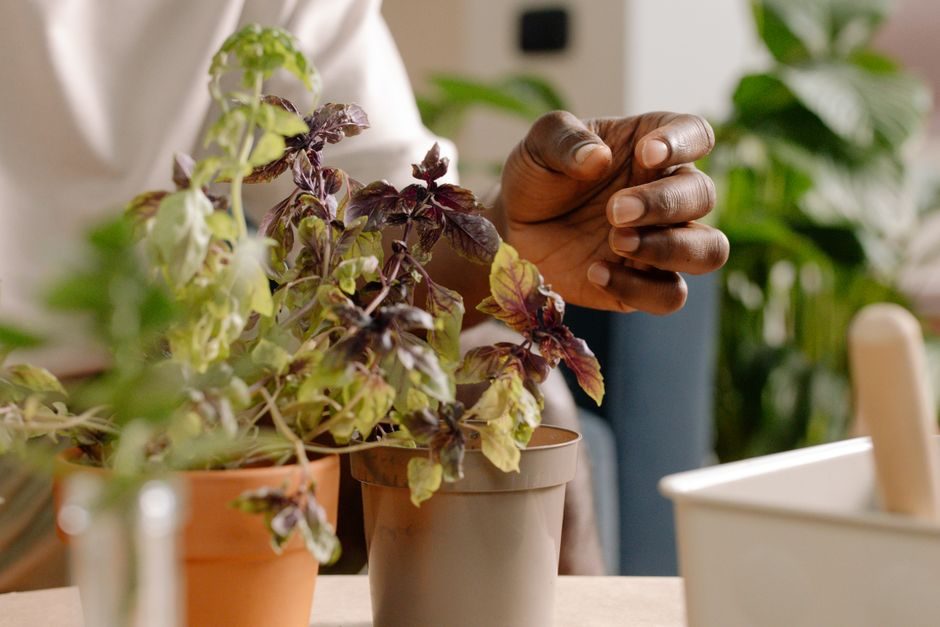
Check the soil with a fingertip before watering instead of following a fixed calendar. If the surface feels dry, water slowly until excess drains from the holes; if it still feels damp, wait and check again later. This simple test accounts for changes in room temperature, light, pot material, and plant size.
Water the soil rather than repeatedly wetting the leaves, and make sure the whole root area receives moisture. Pour steadily, pause if water runs down the sides, and let the pot drain fully before returning it to its saucer. A quick splash may wet only the surface, leaving roots dry even when the top looks dark.
Herbs can show different signs when watering is off, and wilting alone does not prove a plant needs more water. Check the soil first: a dry pot may need a thorough drink, while a wet pot may need time and better drainage. Yellowing leaves, persistent dampness, or a sour smell are reasons to inspect the roots and growing conditions.
- Feel the surface soil before watering.
- Water slowly until excess drains.
- Empty the saucer after the pot has drained.
Adjust for Changing Conditions
Expect pots to dry at different rates as daylight, indoor temperature, and plant growth change. A small clay pot near a sunny window may dry sooner than a larger plastic pot in a cooler room. Check each container individually rather than assuming neighboring herbs need water at the same time.
In winter or during cloudy spells, reduced light can slow growth and water use, so soil may stay wet longer. In a warm room or under a grow light, plants may dry more quickly and need closer observation. Keep pots away from heating vents and cold drafts, which can stress leaves and make conditions less predictable.
If the soil stays wet for days, check that the drainage holes are open and that the mix is not compacted. If it dries almost immediately, water more slowly and consider whether the container is too small or the room unusually warm. Record what you observe if it helps, but let the soil and plant condition—not a rigid timetable—set the routine.
Find Seeds and Plants That Fit Your Plans
Choose a Practical Starting Point
Choose seeds if you enjoy watching plants develop and can wait for harvests; buy young plants when you want fresh leaves sooner. Basil, parsley, and chives are common choices, but compare their expected size and light needs with the space you have. A small windowsill is easier to manage with compact plants than with a crowded mix.
- Match each plant to your available light and space.
- Check seed instructions or inspect a live plant before purchase.
- Compare the full delivered cost of imported supplies.
Before paying an overseas supplier, checking dolar kaç TL can help you estimate the lira cost and leave room for possible fees. For any imported seeds or growing supplies, compare the delivered cost and check whether the seller provides clear instructions about the variety and growing conditions. Local garden shops and seed exchanges may offer suitable options without added shipping or import complications.
Check seed packets for sowing depth, germination conditions, and whether the variety suits containers. If buying a living plant, look for firm stems, evenly colored leaves, and no visible insects or webbing. Avoid plants with soggy soil or limp growth, since these signs can point to stress that may be difficult to correct at home.
- Choose seeds for variety and patience.
- Choose young plants for a quicker start.
- Check labels and inspect plants before buying.
Sow in Manageable Batches
Sow a small amount of seed at a time so you can learn how each variety behaves before filling every pot. Follow the packet’s depth guidance, then keep the growing medium evenly moist while seeds germinate. If seedlings emerge close together, thin them gently so the strongest plants have room to develop.
Use a clean pot with drainage holes and fresh potting mix for seedlings, rather than garden soil that may compact indoors. Label each pot with the herb and sowing date, especially if you start several kinds together. A simple label prevents confusion when early seedlings look alike and helps you track which plants are slow to emerge.
Give seedlings steady light as soon as they appear, and turn containers periodically if growth leans toward a window. Move them into individual pots when they have several true leaves and can be handled without pulling the stem. Transplant carefully, holding leaves rather than squeezing delicate stems, and water lightly to settle the mix around the roots.
Keep Growth Steady With Regular Harvests
Pinch Stems for Fuller Growth
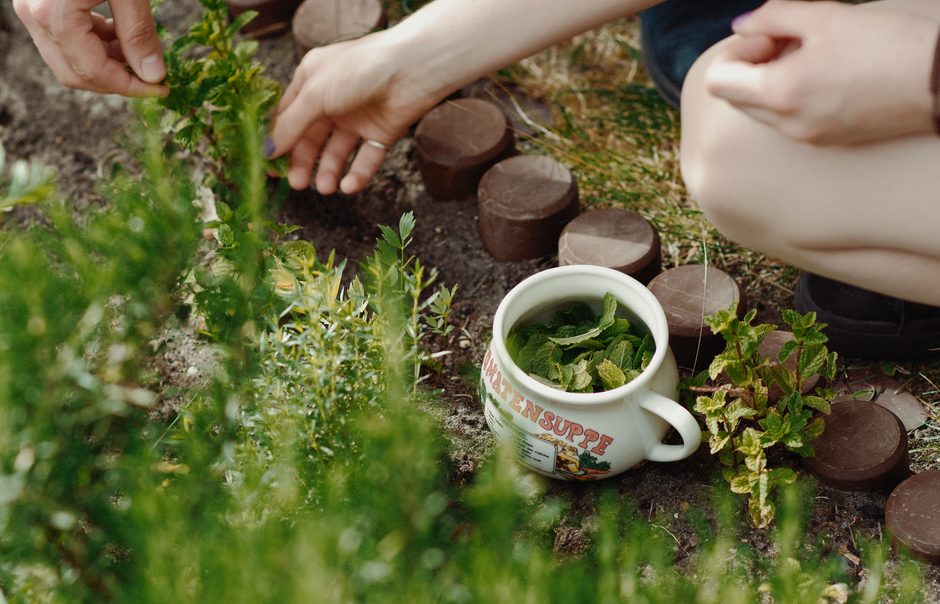
Pinch the growing tips of leafy herbs once they are established to encourage branching instead of one tall stem. For basil, cut just above a pair of leaves so new shoots can grow from the nodes below. Use clean scissors or fingers, and avoid removing so much foliage that the plant cannot keep making energy.
Harvest herbs when the leaves are dry, since wet foliage can bruise more easily and may spoil sooner after cutting. Take a few stems from different parts of the plant rather than stripping one side bare. Regular, modest picking helps keep many leafy herbs compact while giving the plant enough leaves to continue growing.
Use harvested leaves promptly for the brightest flavor, or store them in a way suited to the herb. Tender leaves such as basil are often best used fresh, while sturdier herbs can be chopped and frozen for later cooking. Remove damaged or yellowing leaves as you see them, but check that a wider pattern is not signaling a care problem.
- Cut above a leaf pair to encourage branching.
- Pick modest amounts from several stems.
- Use or preserve fresh leaves promptly.
Match Harvesting to Plant Type
Leafy herbs and woody herbs need different harvesting habits, so identify the plant before cutting heavily. Mint and basil can respond well to regular tip pinching, while rosemary and thyme benefit from light trimming of green growth. Avoid cutting deeply into old, bare woody stems, where regrowth may be limited.
For parsley, harvest the outer stems near the base and leave the young center growth intact. Chives can be snipped above the soil line when needed, but leaving some growth allows the clump to keep producing. These small differences make it easier to gather useful portions without setting back the whole plant.
If a plant becomes thin or leggy, pause harvesting and assess its light and general condition before taking more. Remove only dead or damaged material while it recovers, and rotate the pot if growth is uneven. A plant that produces fewer leaves may need better growing conditions, not a more aggressive trim.
Avoid Common Indoor Growing and Shopping Mistakes
Spot Problems Before They Spread
Check leaves and stems regularly for pests, spots, or sudden changes in color, and isolate a suspicious pot from nearby plants. Look under leaves and around the soil surface, where small insects can be easy to miss. Remove a few affected leaves and identify the cause before applying any treatment intended for edible plants.
- Mistake: watering on a fixed schedule; instead, check the soil first.
- Mistake: treating every yellow leaf as a nutrient problem; instead, inspect light and drainage.
- Mistake: crowding pots together; instead, leave room to inspect leaves and allow airflow.
Yellowing leaves can have several causes, including excess water, poor drainage, or insufficient light, so avoid changing everything at once. Check whether the pot drains freely and whether the soil feels wet before watering again. Make one sensible adjustment, then watch for new growth rather than expecting older damaged leaves to recover.
Crowded pots can hold damp air around foliage and compete for light, increasing stress and making routine checks harder. Give each plant enough room for air to move around its leaves, and remove fallen foliage from the soil surface. If a plant continues to decline despite appropriate care, replace it rather than letting a possible pest problem reach the rest.
- Inspect leaf undersides and stems.
- Check soil moisture before watering.
- Separate plants with suspected pests.
Buy Supplies With Care
Choose supplies for their function and fit, not for attractive packaging or a long list of features. A container needs drainage, and potting mix should be suitable for containers; specialized indoor herb kits are not essential. Check dimensions before ordering so pots and trays fit your shelf or windowsill without blocking nearby light.
When shopping across borders, read the product description closely and check what is included, how it will be shipped, and whether the item suits edible plants. Compare the total cost shown at checkout rather than relying only on a listed price. For seeds, confirm the variety and sowing guidance instead of assuming every packet suits indoor conditions.
Be cautious about claims that a single supply will solve problems caused by light, watering, or poor drainage. A basic pot and suitable growing mix are often more useful than extra accessories that do not match your setup. Keep receipts and packaging details until an order arrives, so you can check that the delivered item matches what you selected.
Make Small Adjustments as Your Herbs Grow
Respond to Seasonal Light Changes
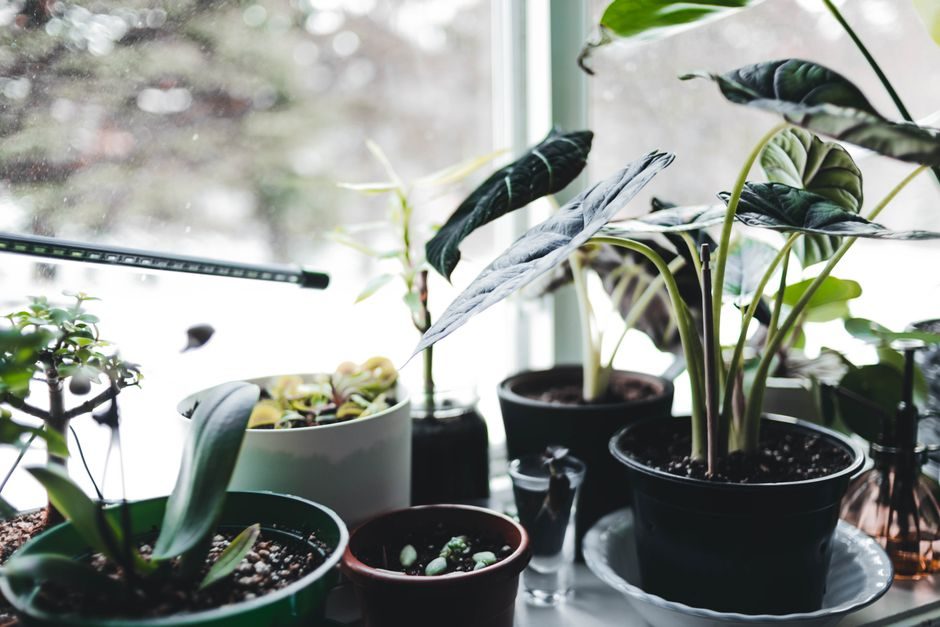
Watch how long direct light reaches your plants as the seasons shift, because a previously bright windowsill may receive less sun. Move pots closer to the brightest suitable window if growth slows, while keeping foliage away from cold glass or strong drafts. Turn containers regularly so stems do not lean persistently toward one direction.
If natural light is limited, a grow light can help maintain steady growth, but its distance and daily use should follow the equipment guidance. Position it so leaves receive even coverage rather than illuminating only the tallest plant. Check new growth after changing the setup; healthy growth is a better guide than making repeated adjustments every day.
Temperature also affects indoor herbs, especially when pots sit near heaters, cooking appliances, or frequently opened doors. Move plants away from sudden heat and cold, and avoid placing foliage where steam or splashes repeatedly reach it. When a plant reacts poorly after a move, return to the previous position and change one condition at a time.
- Notice seasonal changes in window light.
- Keep pots clear of drafts and direct heat.
- Adjust lighting gradually and observe new growth.
Repot When Roots Need Room
Repot when roots emerge from drainage holes, water runs through unusually quickly, or the plant dries out soon after watering. Choose a container only modestly larger than the current one, with drainage holes and room for fresh potting mix. An oversized pot can stay wet longer than the roots can use its moisture.
Ease the plant out gently and loosen only roots that are tightly circling the root ball. Set it at the same depth in the new pot, fill around the roots, and water enough to settle the mix without leaving the container standing in a full saucer. Keep the recently moved herb in stable conditions while it adjusts.
Not every slowing plant needs a bigger pot; weak light, depleted soil, and repeated overwatering can also restrict growth. Check those conditions before repotting, especially if roots are not crowded. After any change, note what you altered and give the plant time to respond, rather than combining several fixes and losing track of what helped.
Frequently asked questions
Can I grow different herbs in the same pot?You can combine herbs when they have similar light and moisture needs, but separate pots make care easier for beginners. Mint spreads vigorously and is usually best contained on its own. If you group plants, leave room for airflow and check that each one can be reached for watering and harvesting without disturbing its neighbors.
Why are my indoor herbs growing tall and thin?Tall, thin stems often indicate that a plant is reaching for more light. Move it toward a brighter suitable window or provide supplemental light according to the equipment instructions. Turn the pot periodically, and avoid trying to correct weak growth by heavy feeding or pruning alone; address the light first and assess the next growth.
Should I fertilize herbs grown indoors?Indoor herbs may eventually use nutrients in their potting mix, but the need depends on the mix, plant growth, and how long the plant has been growing. Follow the product directions for any fertilizer intended for edible plants, and avoid applying extra to compensate for poor light or excess watering. If growth looks healthy, there may be no need to intervene.
Can I keep supermarket herbs alive in a pot?Many supermarket herbs can be kept growing, but they may be crowded or stressed from their original growing conditions. Check the roots and divide the plant carefully if several seedlings share a small container. Pot divisions separately in suitable mix, water them appropriately, and give them steady light while they recover from the move.
Build a Routine That Fits Your Windowsill
A successful indoor herb garden starts with plants that suit the light and room you have, containers that drain, and watering guided by the soil rather than a rigid calendar. Harvest gently, check leaves often, and change one growing condition at a time when a plant struggles. These habits make it easier to learn what each herb needs and to keep useful leaves within reach.
Choose one or two herbs you already use in cooking, then check their growing requirements before buying seeds or plants. Set them in a bright, practical spot and make a brief weekly check of moisture, leaf health, and new growth. As you learn how they respond, add another herb or adjust the setup with confidence instead of starting with more pots than you can manage.

Add Fresh Herbs as a preferred source on Google


