Starting a Small Herb Business: From Growing to Selling
Learn how to choose herbs, plan a home growing routine, prepare products responsibly and find customers for a small, sustainable herb business.

To start a small herb business from home, choose a product that suits your growing space, check who is likely to buy it, and begin with a manageable crop. Build a dependable routine for growing, harvesting and handling herbs, then test one or two ways to sell them. Check local rules before offering food, cosmetic or wellness products.
A home-based business can start with fresh bunches, potted plants, dried culinary herbs or another product that matches your skills and facilities. Each option calls for different growing, storage and packaging choices, so decide what you can make consistently before investing in more plants or equipment.
The practical steps below help you make those choices in sequence, from matching an idea to your space to preparing products for customers. Keep records of crop quality, harvests, costs and customer feedback; these notes can show what is sustainable to grow and worth offering again.
- Choose products that fit your space, skills and local rules.
- Ask likely customers what they want before committing to crops.
- Use consistent growing, harvest and handling routines to protect quality.
- Start with a manageable product range and expand only after testing it.
Choose an Herb Business That Fits Your Space
Match Products to Your Space
Start with the growing conditions you can reliably provide, not a product idea that depends on space or equipment you do not have. A sunny windowsill may suit a few potted culinary herbs, while a garden bed can support more plants for bunches or drying. Note light, water access, storage and room to work before choosing.
Different products make different demands on a home setup. Fresh bunches need regular harvests and a clean place to sort and pack them, while dried herbs need suitable drying and storage space. Potted plants require containers, potting materials and a way to keep stock healthy until collection or delivery.
Try a small batch before expanding, and keep the growing area separate from household activities that could contaminate harvests. If space is tight, focus on a few compact, productive plants rather than crowding many varieties together. A simple layout with clear paths makes watering, pruning and harvesting easier to repeat.
- Measure the usable growing and work areas.
- Check sunlight and access to water.
- Choose products your space can support.
- Leave room for sorting and storage.
Choose a Manageable First Offer
A narrow first offer makes it easier to learn how much you can grow and prepare without compromising quality. You might begin with fresh culinary bunches, a small selection of potted herbs or dried leaves from suitable crops. Choose something you can describe clearly and produce consistently with your current tools.
Consider the work each order creates as well as the plants themselves. A mixed bunch may involve several harvests and careful sorting, while a single potted herb may be simpler to keep ready but needs space and ongoing care. Think through packing, customer collection and delivery before settling on a format.
Write down what a customer receives, including the herb, approximate form and any handling guidance that is appropriate. Avoid offering more varieties than you can identify and maintain well. A clear, modest range gives you room to learn which crops thrive, what customers request and what workload fits your household.
Plan What to Grow and Who Will Buy It
Research Local Customer Needs
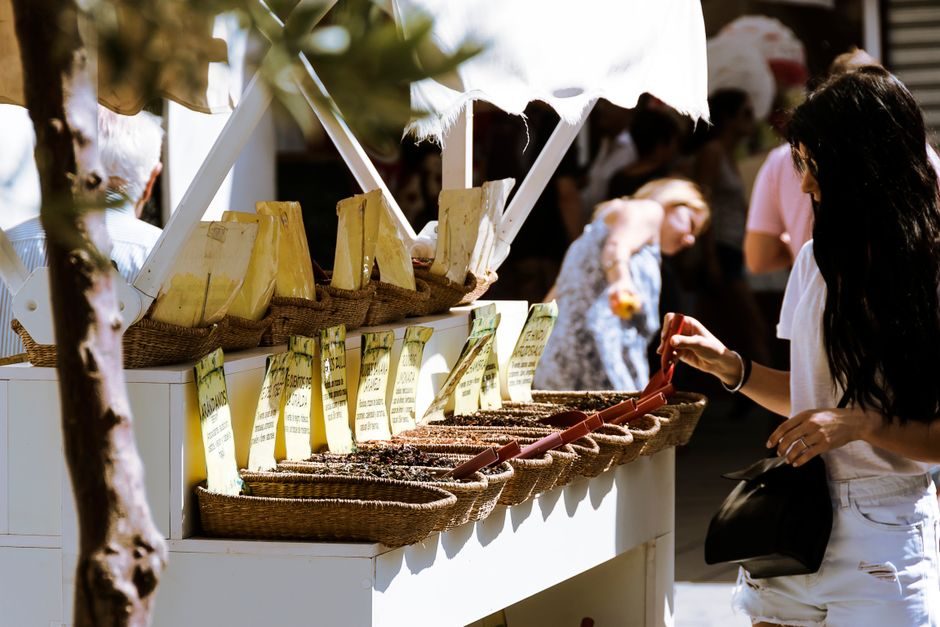
Talk with likely customers before choosing crops, and ask what they actually use, how often they buy it and what form is convenient. Home cooks may want fresh bunches, while gardeners might prefer starter plants. Before committing to crops and products, Seo Services can help you understand how customers search online for the offers you are considering.
- Ask customers about real cooking and gardening habits.
- Use local listings and markets to spot gaps.
- Test a small range before expanding.
Look at nearby shops, markets and community groups to see which herbs are readily available and where customers still ask for something different. This is not a reason to copy another seller’s range; it helps you spot practical gaps, such as locally grown plants or herbs suited to a particular style of cooking.
Keep early research informal but specific: record questions, repeated requests and objections instead of relying on a general impression. Ask potential buyers how they would collect or receive an order, since convenience can shape demand. Use what you learn to select a small trial range, then check whether interest turns into actual orders.
- Ask potential buyers what they use regularly.
- Note requested forms and collection preferences.
- Compare nearby offers without copying them.
- Test interest with a small crop.
Select Crops for Reliable Supply
Choose herbs that suit your climate, growing conditions and product plan, then check how reliably you can keep them available. A crop that thrives in your garden may be a better choice than a fashionable variety that struggles there. Consider germination, seasonal growth, harvest recovery and how easily you can replace plants.
Plan a manageable mix rather than relying on one crop for every product. Perennial herbs can provide recurring harvests once established, while annuals may need replanting to maintain supply. Match planting times to the periods when customers are most likely to want fresh herbs, and be clear when availability changes with the season.
Keep a simple crop record showing sowing or planting, harvest dates, quality and losses. This helps you estimate what you can offer without promising more than the garden produces. If a herb repeatedly fails to meet the standard you want, adjust the growing method or remove it from the range rather than selling poor-quality stock.
Set Up a Simple Growing and Harvesting Routine
Build Repeatable Growing Tasks
A written routine makes small-scale growing more dependable, especially when several crops need attention at different times. Record watering, pruning, feeding where appropriate and pest checks, then review plants regularly rather than waiting for visible stress. Consistent care helps you notice changes early and plan harvests around plant health.
- Label each crop and record planting details.
- Check plants, soil moisture and pests.
- Harvest only healthy growth at the right stage.
- Clean equipment and update available stock.
Group plants with similar needs where possible, but keep labels clear so varieties do not get mixed. Use clean tools and containers, and remove damaged leaves during routine checks. Leave enough space for airflow and access; crowded plants are harder to inspect, water evenly and harvest without harming nearby growth.
Keep a basic calendar for sowing, transplanting and expected harvest windows, adjusting it to local conditions as you learn. Avoid treating dates as guarantees, since temperature, light and weather affect growth. A brief weekly review of crop condition and available stock helps you decide what can be offered confidently.
- Label crops and keep planting records.
- Check moisture and plant health regularly.
- Clean tools and harvest containers.
- Review stock before confirming orders.
| Approach | Best suited to | Main consideration |
|---|---|---|
| Regular watering and checks | All crop types | Needs consistent attention |
| Grouped plants by needs | Several herb varieties | Keep labels clear |
| Staggered planting | Ongoing fresh supply | Growth varies by conditions |
| Crop and harvest records | Planning future orders | Update after each harvest |
Harvest and Handle Carefully
Harvest at a time and stage that preserve the quality of the product you are selling, using clean hands, tools and containers. Remove only what the plant can spare, particularly when it needs to keep growing after a cut. Avoid harvesting damaged or diseased material, and keep different crops clearly identified.
For fresh herbs, move harvested material promptly to a clean, suitable place and protect it from heat, crushing and household contamination. Sort out wilted or blemished leaves before packing, and follow applicable food-handling rules. Dried products need careful, complete drying and storage that protects them from moisture and mix-ups.
Keep harvest notes that connect crop, date, quantity and condition to the orders supplied. If a batch does not meet your standard, do not include it simply to fulfil an order; explain the shortage and offer an appropriate alternative or refund under your terms. Reliable handling builds trust and reduces waste.
Choose a product format by weighing its preparation, storage and compliance needs against what your home setup can handle.
Explore Ways to Turn Herbs Into Products
Compare Practical Product Formats
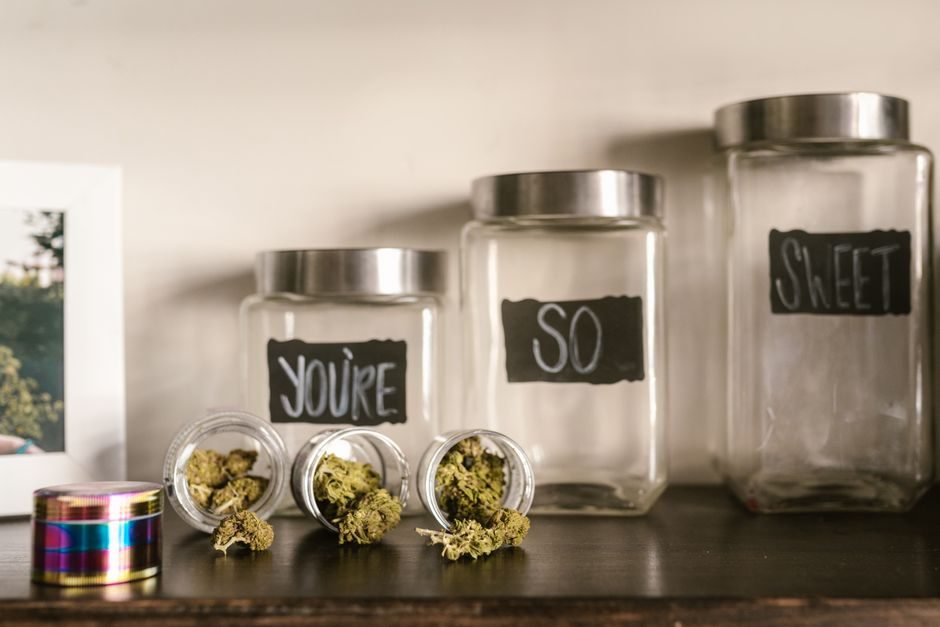
Choose a product format by weighing its preparation, storage and compliance needs against what your home setup can handle. Fresh bunches are straightforward to understand but need careful handling and timely collection. Potted plants can stay alive before sale, while dried herbs need suitable drying, clean storage and accurate identification.
Start with one format you can prepare consistently, then test another only when you understand the extra work. For example, drying unsold fresh herbs may sound efficient, but it is not suitable unless the crop, drying method and storage meet the standards required for a saleable product. Check local rules before processing or packaging anything for customers.
Describe products plainly, including the herb, form and any relevant storage or care instructions. Do not make health claims about herbs unless you have checked the rules that apply to your product and location. Clear labels and honest descriptions help customers choose and make it easier to handle questions or concerns.
- Fresh bunches: plan prompt collection or delivery.
- Potted herbs: maintain plants until sale.
- Dried herbs: control drying and storage.
- Check applicable rules before processing.
Prepare Products Consistently
Set a repeatable preparation method for each product so customers receive a consistent, clean and clearly identified item. Decide how you will sort, portion, pack and label the herbs, and use suitable materials that protect them during storage or transport. Keep preparation surfaces and equipment clean, and separate finished products from unprocessed harvests.
Before selling, make a small trial batch and check its appearance, aroma, packaging and keeping quality under the conditions you expect customers to use. Ask a few likely buyers for practical feedback on clarity and convenience, not just whether they like the idea. Revise the process if products bruise, dry unevenly or are hard to store.
Keep records of ingredients or crop sources, preparation steps and batch dates where relevant to your product and local requirements. Avoid implying that a product is certified, organic or medicinal unless you can substantiate the claim and meet applicable rules. Consistent records help trace issues and decide whether a product is ready to offer again.
Keep Product Quality and Claims Trustworthy
Protect Freshness After Harvest
Move cut herbs out of direct sun and into a clean, cool workspace as soon as possible. Remove damaged leaves, sort the harvest by condition, and keep different varieties clearly identified. A short, repeatable path from garden to packing reduces wilting and makes it easier to spot problems before products reach customers.
Use clean, food-safe containers and tools, and wash hands before handling herbs intended for eating. Follow local food-safety guidance for washing, drying, packing, and storage; excess moisture can encourage spoilage, while rough handling bruises delicate leaves. Keep raw materials away from pets, cleaning products, and any surfaces used for non-food garden work.
Set a realistic harvest-to-sale window for each product and explain storage needs plainly. Fresh bunches may need refrigeration, while dried herbs should be protected from light, heat, and moisture. Check stock before each sale, remove anything that has lost its aroma or appearance, and keep a simple record of harvest and packing dates.
Describe Products Honestly
Name the herb, its form, and any relevant handling details so customers know exactly what they are buying. A label for dried mint, for example, should not imply that it is a blend or a particular variety unless that is true. Clear descriptions prevent confusion and help buyers make informed choices.
Avoid promising health effects or presenting a culinary herb as a treatment. Rules for food, cosmetics, and products making health claims vary by location, so check the requirements that apply before choosing a product range or writing labels. If a claim cannot be supported and legally used, leave it out rather than relying on vague wording.
Keep a sample label and product record for each batch, including the herb name, harvest or preparation details, and ingredients where relevant. Update them when a recipe or supplier changes, and make sure online descriptions match the package. If customers ask about allergens, storage, or use, answer within what you can verify.
Make It Easy for Nearby Customers to Find You
Share Clear Local Details
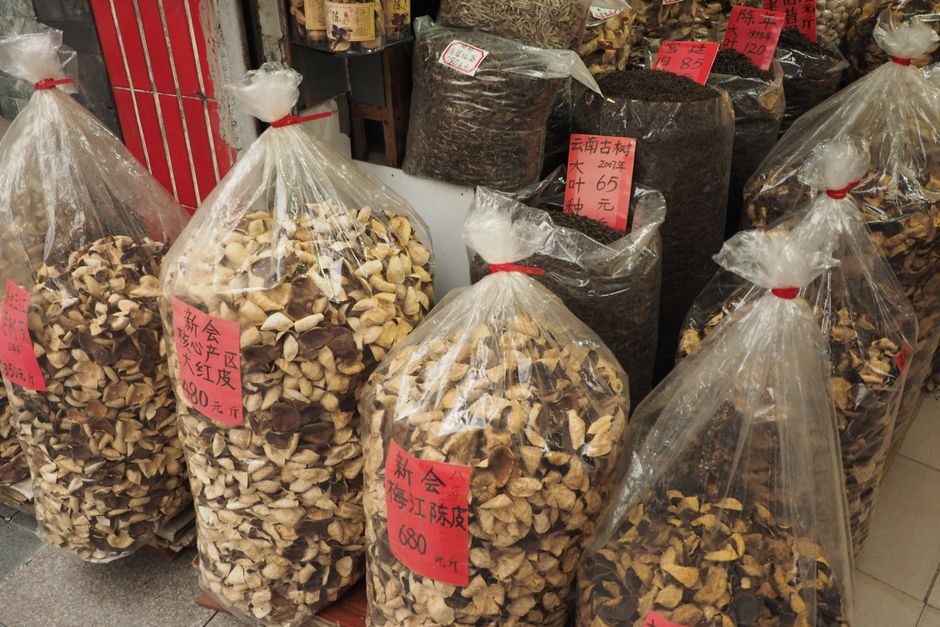
Give nearby buyers one dependable place to check what you sell, when you are open, and how to collect or order. Keep your business name, contact method, product range, and collection instructions consistent across your website, social profiles, market listings, and printed materials. Local Seo Services may help sellers keep business details and location information accurate when customers search nearby.
For a home-based business, distinguish a delivery area or collection point from a public shop address. Do not publish your home location unless you are comfortable doing so and local rules allow it. State whether customers need to arrange collection in advance, and give a reliable way to ask about current availability.
Use photographs that show the actual herbs, packaging, and scale of what you offer. A clear image of a bunch of basil or a labelled dried-herb jar gives buyers more useful information than a generic garden picture. Refresh images when the season changes or when your products look different from the version shown.
- Check contact details on every listing.
- State collection and delivery boundaries.
- Show current products in clear photographs.
- Remove outdated opening or market information.
Build Repeat Local Relationships
Make it easy for customers to return by offering a predictable way to hear about harvests and market dates. A simple mailing list or opt-in social update can announce when fresh bunches are ready, while a notice at a regular stall helps people remember your next visit. Ask permission before adding anyone to promotional messages.
Use local markets, community gardens, and cooking workshops to learn which herbs people actually use. Notice the questions buyers ask, such as how to store a bunch or substitute one herb for another, and use those conversations to improve your product notes. Keep feedback separate from assumptions based on a single customer.
When an order is unavailable, respond promptly and offer a realistic alternative only if it suits the customer's needs. Do not promise a harvest date that depends on uncertain weather or plant growth. Reliable communication builds confidence, even when a small grower has limited quantities or needs to pause sales.
Avoid Common Growing and Selling Mistakes
Catch Problems Before Packing
Inspect plants and harvested material before packing, rather than assuming a healthy-looking bed guarantees a clean product. Remove leaves with disease, pest damage, or unexpected discoloration, and keep questionable material out of sale stock. If you cannot identify a problem confidently, pause the affected batch and seek reliable local horticultural or food-safety guidance.
- Packing damaged leaves; inspect and remove affected material first.
- Cutting plants too heavily; harvest in a way that supports regrowth.
- Guessing at crop problems; pause sales and verify the cause.
Overharvesting can weaken plants and leave too little stock for later orders. Take only what healthy growth can replace, and adjust harvest amounts to the plant's season and condition. Keep a portion of the crop for continued growth, especially with perennial herbs, instead of cutting every available stem to meet one large request.
Record what was planted, harvested, and discarded, even if the notes are brief. When a crop declines, these details can reveal whether the issue followed weather, watering, pests, or a change in handling. Use the records to revise future quantities and avoid repeating a preventable loss across several batches.
Keep Promises Manageable
Do not accept more orders than your growing space, harvest time, and packing capacity can reliably support. Start with a modest range and a clear ordering limit, then expand only after you can fulfil it without rushing. A smaller order delivered in good condition is more useful than a larger one that compromises quality.
Avoid buying packaging or ingredients in bulk before testing demand and checking storage requirements. Extra stock can tie up money and space, while unsuitable packaging may damage delicate leaves or fail to protect dried herbs. Test a small quantity first, and assess how it performs during transport and in ordinary customer use.
Set aside time for the unglamorous tasks: cleaning tools, updating product descriptions, answering messages, and tracking expenses. If these jobs are repeatedly delayed, reduce the number of products or sales days until the routine is manageable. Review what took the most time after each selling period and change one process at a time.
Build a Business at a Sustainable Pace
Grow Within Your Capacity
Expand only when current crops and orders are being handled consistently. Leicester Seo Services may be relevant to herb sellers serving Leicester and Leicestershire who want accurate, consistent local business information as their operation grows. For any location, growth should follow reliable supply and clear customer communication, not a larger-looking product list.
- ☐ Adding products before checking whether existing orders are manageable.
- ☐ Taking on a market commitment without confirming growing and packing capacity.
- ☐ Expanding based on one busy selling day instead of repeat demand.
Choose one change to test at a time, such as adding a new herb variety, trying a different market, or offering a second product format. Track the time, materials, and customer response for that change before repeating it. This makes it easier to see whether an idea genuinely fits your garden and working routine.
Plan for seasonal gaps by telling customers when availability is likely to change and by avoiding commitments that rely on uninterrupted harvests. You might offer dried herbs when fresh bunches are scarce, provided the product is prepared and labelled appropriately. Keep the range rooted in what you can grow or source responsibly.
Review Costs and Workload
Review income and costs regularly so you know which products support the work involved. Include seeds or plants, growing supplies, packaging, transport, market fees where applicable, and time spent preparing orders. A product that sells well may still be difficult to sustain if it requires too many hours or creates avoidable waste.
Notice which tasks cause delays or strain, then simplify the process before adding more work. Group similar orders, standardize package sizes where practical, or set fixed collection times. Keep enough flexibility for weather and plant growth, but make routine steps predictable for both you and your customers.
Decide in advance what a manageable business looks like for your household, garden, and available time. That might mean seasonal sales, a narrow range, or taking breaks between growing cycles. Check local rules as your activities change, since selling fresh food, prepared products, or goods from home can bring different responsibilities.
- Review costs and time after each selling period.
- Choose one process to simplify.
- Set a limit for orders or sales days.
- Check rules when products or activities change.
Frequently asked questions
Do I need a licence to sell herbs from home?Requirements depend on where you live and what you sell. Fresh bunches, dried culinary herbs, prepared foods, cosmetics, and products making health claims may be treated differently. Contact your local authority or relevant food and product-safety office before taking orders, and check whether home production, labelling, hygiene, or business registration rules apply to your plans.
How should I price home-grown herbs?Start by listing the full cost of producing and selling each item: growing materials, packaging, transport, market fees where relevant, and your preparation time. Then compare the product and quantity with similar local offers, without assuming your costs match theirs. Test a price that covers the work, explain what customers receive, and revise it if the process proves unsustainable.
Can I sell herbs before I have a website?Yes. A regular local market, community noticeboard, garden group, or simple social profile can help you test demand before building a website. Make sure buyers can see what is available, how to contact you, and where or when orders can be collected. Keep those details current, and use early customer questions to decide whether a dedicated site would be useful.
Which herbs are easiest to sell?There is no single best choice because demand, climate, growing conditions, and local competition vary. Begin with herbs you can grow well and that nearby cooks already recognize, then ask customers what they use regularly. A small range of dependable culinary herbs is often easier to manage than many unfamiliar varieties, especially while you are learning harvest and packing routines.
Start Small, Learn from Each Harvest
A sound home herb business depends on more than a productive garden: clean handling, honest product information, dependable customer details, and realistic promises all matter. Keep your range close to what you can grow and prepare well, and use simple records to catch waste, recurring questions, and bottlenecks. These habits protect product quality while giving the business room to develop at a pace that suits your life.
Choose one herb or product you can supply confidently, then check the local rules and map the steps from harvest to handover. Share a clear offer with a small group of likely customers, track what they ask for, and review the work and costs after the first sales. Use what you learn to make one practical adjustment before adding another product, market, or commitment.

Add Fresh Herbs as a preferred source on Google


