The Power of Herbs in Holistic Health
Herbal infusions have been an integral part of traditional medicine for centuries, offering a natural and holistic approach to health and wellness. These infusions, made from the leaves, flowers, seeds, or roots of various plants, are not only delicious but also packed with beneficial compounds that can support overall well-being. From boosting the immune system to promoting relaxation, the therapeutic potential of herbs is vast and varied.
Understanding Herbal Infusions
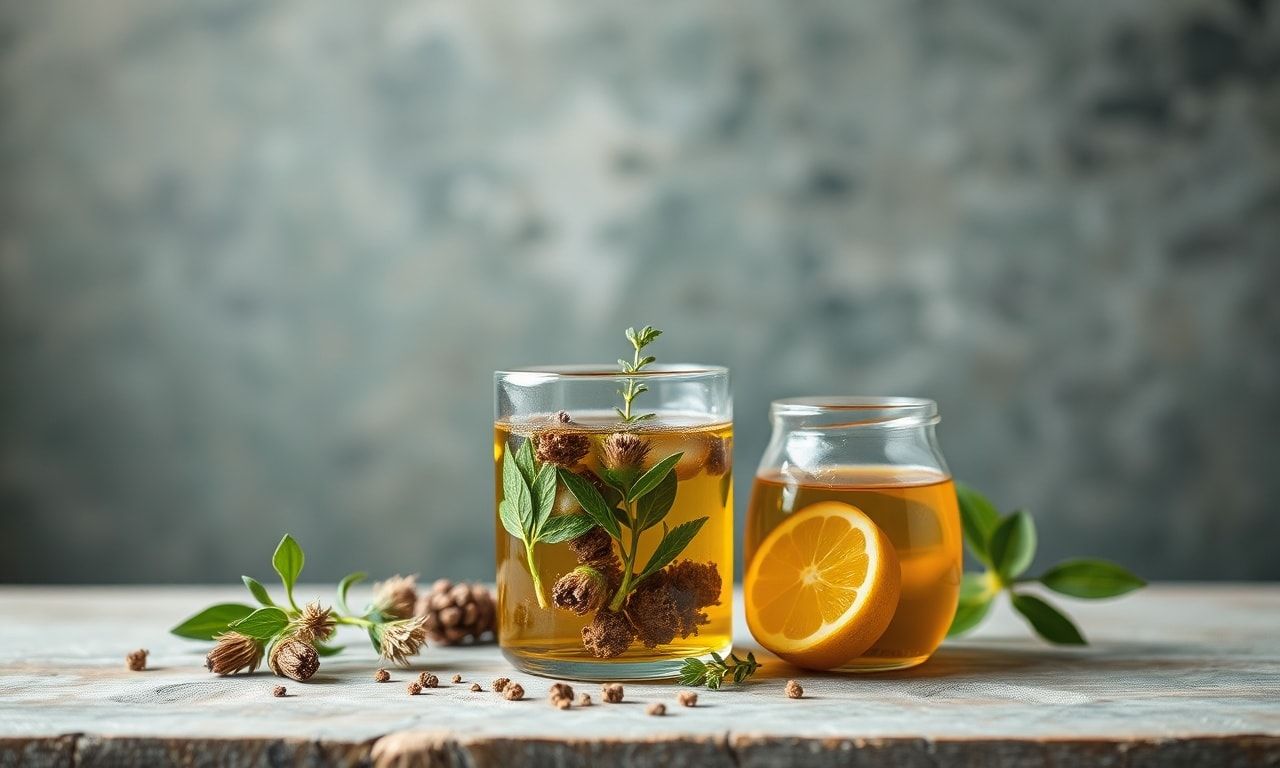
Herbal infusions, often referred to as herbal teas, are created by steeping herbs in hot water to extract their beneficial compounds. Unlike true teas, which are made from the Camellia sinensis plant, herbal infusions are caffeine-free and can be enjoyed at any time of the day. The process of making an herbal infusion is simple and can be tailored to individual preferences. Typically, one to two teaspoons of dried herbs are steeped in a cup of hot water for about 5-10 minutes, allowing the flavors and beneficial compounds to infuse into the water.
Popular Herbs for Infusions
There is a wide variety of herbs that can be used to create therapeutic infusions. Some of the most popular include:
- Chamomile: Known for its calming properties, chamomile is often used to promote relaxation and improve sleep quality.
- Peppermint: This herb is renowned for its ability to soothe digestive issues and relieve headaches.
- Ginger: Ginger infusions can help alleviate nausea, reduce inflammation, and boost the immune system.
- Lavender: Lavender is celebrated for its soothing aroma and ability to reduce stress and anxiety.
- Echinacea: Often used to support the immune system, echinacea is believed to help prevent and treat the common cold.
Each of these herbs offers unique health benefits, making them valuable additions to a wellness routine. Incorporating a variety of herbs into your diet can provide a broad spectrum of nutrients and therapeutic effects.
Herbal Infusions and Mental Health
The impact of herbal infusions on mental health is well-documented. Many herbs have been shown to reduce stress, anxiety, and depression, promoting a sense of calm and well-being. For instance, chamomile and lavender are known for their sedative effects, which can help alleviate symptoms of anxiety and improve sleep quality. Similarly, peppermint and ginger can help reduce stress-related digestive issues, further contributing to overall mental health.
Incorporating herbal infusions into a daily routine can be a simple yet effective way to support mental health. Whether enjoyed in the morning to start the day on a positive note or in the evening to unwind and relax, these infusions can be a valuable tool in managing stress and promoting emotional balance.
Cooking Tips to Support Sustainable Tea Farming
For those interested in sustainable living, incorporating herbs into your diet can also support eco-friendly practices. Many herbs can be grown at home, reducing the need for commercially produced teas and supporting sustainable agriculture. Additionally, choosing organic and fair-trade herbs can ensure that your infusions are not only beneficial for your health but also for the environment and the farmers who cultivate them.
For more cooking tips to support sustainable tea farming, consider exploring resources that provide guidance on growing your own herbs and selecting ethically sourced products. By making conscious choices, you can enjoy the health benefits of herbal infusions while contributing to a more sustainable future.
Herbal Infusions and Physical Health
The physical health benefits of herbal infusions are equally impressive. Many herbs contain antioxidants, which help protect the body from damage caused by free radicals. These antioxidants can reduce the risk of chronic diseases, such as heart disease and cancer, and support overall health and longevity.
Herbal infusions can also aid in digestion, reduce inflammation, and boost the immune system. For example, ginger is known for its anti-inflammatory properties and can help alleviate symptoms of arthritis and other inflammatory conditions. Similarly, echinacea can support the immune system by stimulating the production of white blood cells, which are essential for fighting infections.
Herbal Infusions for Specific Health Conditions
Certain herbs have been shown to be particularly effective in managing specific health conditions. For instance, peppermint can help relieve symptoms of irritable bowel syndrome (IBS) and other digestive disorders. Chamomile can be beneficial for those suffering from insomnia or anxiety, while ginger can help alleviate symptoms of nausea and vomiting.
Incorporating these herbs into your diet can provide targeted support for various health conditions. However, it is essential to consult with a healthcare provider before using herbal infusions for medicinal purposes, especially if you are pregnant, breastfeeding, or taking medications.
Creating Your Own Herbal Infusions
Creating your own herbal infusions at home is a rewarding and enjoyable process. By selecting high-quality, organic herbs, you can ensure that your infusions are not only delicious but also packed with beneficial compounds. Here are some tips for making your own herbal infusions:
- Choose Fresh or Dried Herbs: Fresh herbs can be used to make infusions, but dried herbs are often more convenient and have a longer shelf life. Ensure that the herbs you choose are of high quality and free from pesticides and other contaminants.
- Use the Right Water Temperature: Different herbs require different water temperatures to release their beneficial compounds. For example, delicate herbs like chamomile should be steeped in water that is just below boiling, while robust herbs like peppermint can withstand higher temperatures.
- Steep for the Right Amount of Time: The steeping time can vary depending on the herb. Generally, delicate herbs should be steeped for 5-7 minutes, while robust herbs can be steeped for up to 10 minutes. Over-steeping can result in a bitter taste and may reduce the beneficial compounds in the infusion.
- Experiment with Combinations: Don’t be afraid to experiment with different herb combinations to create unique and delicious infusions. For example, a combination of chamomile, lavender, and lemon balm can create a soothing and relaxing infusion.
By following these tips, you can create a variety of herbal infusions tailored to your specific health needs and preferences. Whether enjoyed hot or cold, these infusions can be a valuable addition to a healthy lifestyle.
As we strive to maintain a healthy lifestyle, it’s essential to consider the environmental impact of our choices, including our shopping habits; discover eco-friendly online shopping options in our latest feature, sustainable shopping for a healthier planet.
Delve into the fascinating connection between personal wellness and environmental health with our latest feature, health and sustainability insights, offering evidence-based strategies for a balanced life and planet.
To support your wellness journey and reduce environmental impact, consider exploring effective ways to minimize plastic waste in your kitchen.