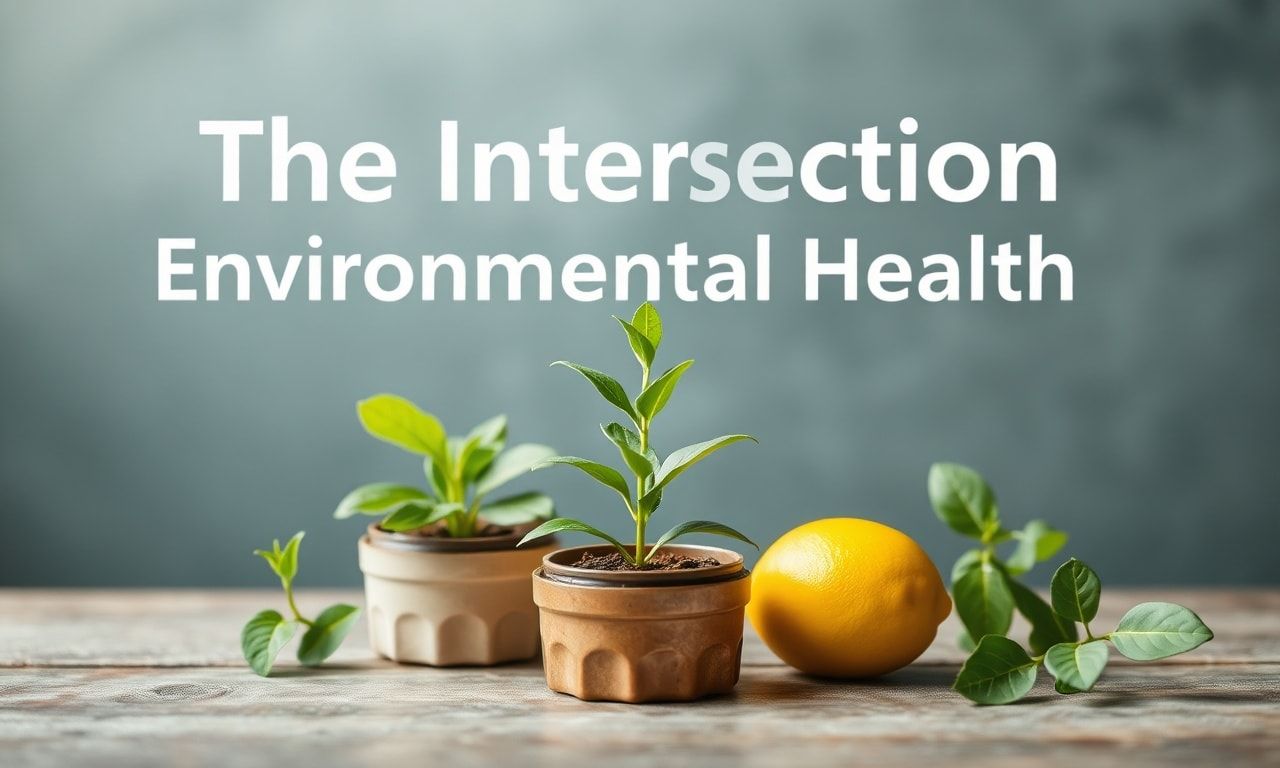
The Impact of Environmental Factors on Health
In recent years, the conversation around health has expanded beyond personal habits to include the broader environment. The air we breathe, the water we drink, and the spaces we inhabit all play crucial roles in our overall well-being. Understanding these environmental influences can empower us to make informed choices that enhance our health and longevity.
Air Quality and Respiratory Health
Air pollution is a significant environmental health hazard, particularly for those with respiratory conditions such as asthma and chronic obstructive pulmonary disease (COPD). Fine particulate matter (PM2.5) and nitrogen dioxide (NO2) are among the most harmful pollutants, often originating from vehicle emissions, industrial activities, and wildfires. According to the World Health Organization, exposure to these pollutants can lead to a range of health issues, including lung cancer, heart disease, and stroke.
To mitigate the effects of poor air quality, consider using air purifiers in your home, especially in bedrooms. Additionally, staying informed about local air quality indices can help you plan outdoor activities during times when pollution levels are lower. For the latest updates on environmental conditions, you can refer to sources like environmental news climate update.
Water Quality and Hydration
Access to clean water is fundamental to health. Contaminants such as lead, mercury, and microplastics can find their way into our water supplies, posing risks to both physical and cognitive health. Lead exposure, for instance, has been linked to developmental issues in children and cardiovascular problems in adults. Ensuring that your water is filtered and regularly tested can help safeguard your health.
Hydration is equally important. The human body is composed of about 60% water, and staying hydrated supports everything from digestion to cognitive function. Aim to drink at least eight glasses of water a day, and consider using a water filter to remove potential contaminants.
The Role of Green Spaces in Mental Health
Nature has a profound impact on mental health. Studies have shown that spending time in green spaces, such as parks and forests, can reduce stress, anxiety, and depression. This is often attributed to the calming effects of nature, which can lower cortisol levels and promote relaxation.
Incorporating more green spaces into your daily routine can be as simple as taking a walk in a nearby park or cultivating indoor plants. Urban planning that prioritizes green spaces can also contribute to community well-being, making cities more livable and healthier for residents.
Sustainable Living and Health
Sustainable living practices not only benefit the environment but also contribute to personal health. Eating a plant-based diet, for example, can reduce the risk of chronic diseases such as heart disease and diabetes. Additionally, choosing sustainable transportation options like walking, cycling, or using public transit can improve physical fitness and reduce exposure to air pollution.
Reducing waste and choosing eco-friendly products can also have health benefits. Many conventional household products contain harmful chemicals that can disrupt hormones and contribute to chronic health issues. Opting for natural, non-toxic alternatives can help create a healthier home environment.
Conclusion
The connection between environmental health and personal wellness is undeniable. By understanding and addressing the environmental factors that impact our health, we can make informed choices that promote well-being and longevity. Whether it’s improving air and water quality, spending more time in nature, or adopting sustainable living practices, small changes can have a significant impact on both individual and community health.
To discover how entertainment can positively impact your mental well-being, dive into our latest feature fun and mental health.
To understand the broader influences on your fitness journey, delve into politics shaping sports today, an insightful analysis of how global events impact athletic wellness and performance.
Discover the power of a comprehensive wellness strategy by exploring nutrition and fitness for mental health, an insightful article that delves into the interconnectedness of these vital aspects of well-being.