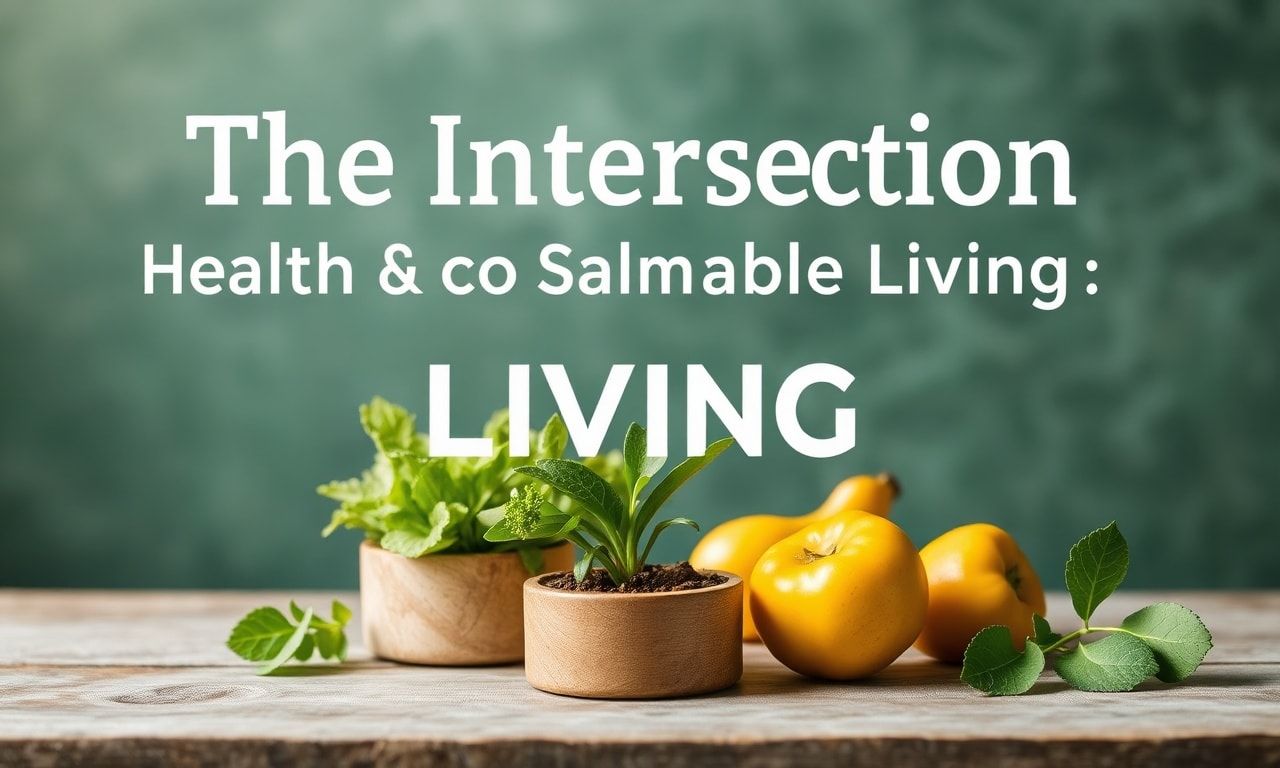
The Connection Between Health and Sustainability
In recent years, the conversation around health has expanded beyond the traditional boundaries of nutrition, fitness, and mental well-being. A growing body of research suggests that our health is deeply interconnected with the health of our planet. Sustainable living practices, such as reducing carbon footprints and adopting eco-friendly habits, can have a positive impact on both personal health and the environment. This article explores the multifaceted relationship between health and sustainability, offering practical tips for integrating sustainable practices into your daily life.
The Impact of Environmental Factors on Health
Environmental factors play a significant role in determining overall health. Air pollution, for instance, is linked to respiratory diseases, cardiovascular issues, and even mental health problems. According to the World Health Organization (WHO), ambient air pollution accounts for an estimated 4.2 million deaths per year due to stroke, heart disease, lung cancer, and chronic respiratory diseases. Similarly, exposure to harmful chemicals in food, water, and household products can lead to a range of health issues, including endocrine disruption and cancer.
Adopting sustainable practices can help mitigate these risks. For example, choosing organic foods reduces exposure to pesticides, while using non-toxic cleaning products minimizes indoor air pollution. Additionally, sustainable transportation options, such as walking, cycling, or using public transport, can improve cardiovascular health and reduce air pollution.
Sustainable Nutrition: Eating for Health and the Planet
Diet is a cornerstone of both personal health and environmental sustainability. A plant-based diet, rich in fruits, vegetables, whole grains, and legumes, is not only beneficial for heart health and weight management but also has a lower carbon footprint compared to diets high in animal products. The production of meat, particularly beef, requires significant amounts of water and energy, contributing to deforestation and greenhouse gas emissions.
Incorporating more plant-based meals into your diet can be a simple yet effective way to promote both health and sustainability. Consider trying meatless Mondays or exploring plant-based protein sources like lentils, beans, and tofu. Additionally, choosing locally sourced and seasonal produce can reduce the environmental impact of food transportation and support local farmers.
The Role of Physical Activity in Sustainable Living
Regular physical activity is essential for maintaining good health, but it can also contribute to sustainable living. Active transportation, such as walking or cycling, reduces reliance on fossil fuels and decreases air pollution. Moreover, engaging in outdoor activities like hiking, gardening, or joining community clean-up events can improve mental well-being while promoting environmental stewardship.
For those considering sustainable transportation options, electric vehicles (EVs) are becoming increasingly popular. EVs produce zero tailpipe emissions, making them a cleaner alternative to traditional gasoline-powered cars. However, it’s important to consider the overall environmental impact, including the production and disposal of batteries. Understanding the elektrikli araba bakım maliyeti hesaplama yöntemleri can help you make an informed decision about the long-term sustainability of electric vehicles.
Mental Health and Sustainable Practices
Mental health is another critical aspect of overall well-being that can be positively influenced by sustainable living practices. Engaging in activities that promote mindfulness, such as meditation, yoga, and spending time in nature, can reduce stress and improve mental clarity. Additionally, reducing consumption and practicing mindfulness can lead to a greater sense of contentment and well-being.
Sustainable living also encourages a sense of community and social connection, which are vital for mental health. Participating in community gardens, local farmers’ markets, or environmental advocacy groups can foster a sense of belonging and purpose. These activities not only contribute to personal well-being but also have a positive impact on the environment.
Practical Tips for a Healthier, More Sustainable Lifestyle
Integrating sustainable practices into your daily life doesn’t have to be overwhelming. Here are some practical tips to get started:
- Reduce, Reuse, Recycle: Minimize waste by choosing reusable products, recycling materials, and composting organic waste.
- Choose Sustainable Transportation: Opt for walking, cycling, public transport, or electric vehicles to reduce your carbon footprint.
- Adopt a Plant-Based Diet: Incorporate more plant-based meals into your diet to improve health and reduce environmental impact.
- Support Local Farmers: Buy locally sourced and seasonal produce to support local economies and reduce food transportation emissions.
- Engage in Outdoor Activities: Spend time in nature through hiking, gardening, or community clean-up events to improve mental well-being and promote environmental stewardship.
By embracing these practices, you can contribute to a healthier planet while also enhancing your own well-being. The intersection of health and sustainability offers a holistic approach to living that benefits both individuals and the environment.
Discover essential guidelines for enhancing your overall well-being by exploring healthy living fundamentals backed by scientific research.