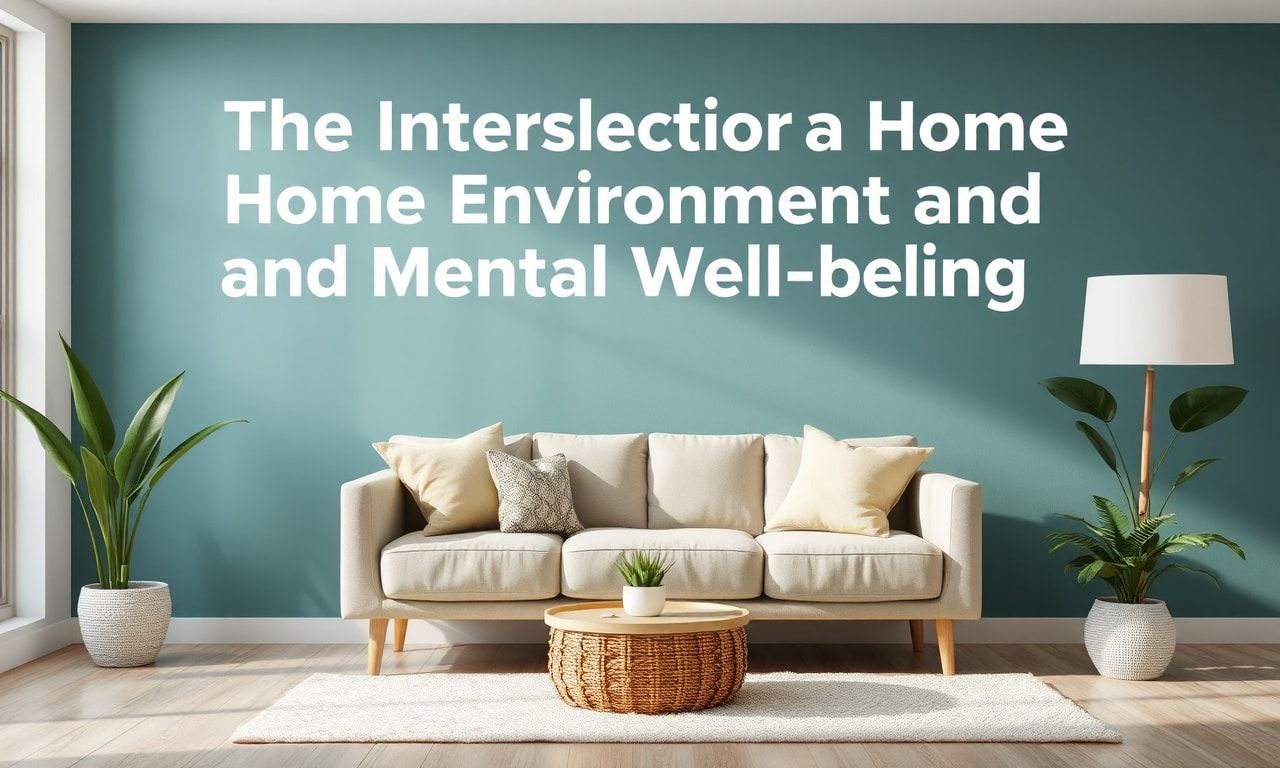
The Importance of Home Environment in Mental Health
In the pursuit of overall well-being, the significance of our home environment is often overlooked. However, numerous studies have shown that our living spaces can profoundly impact our mental health. A well-designed home can serve as a sanctuary, promoting relaxation, reducing stress, and enhancing our overall quality of life. Conversely, a cluttered or poorly organized space can contribute to feelings of anxiety and overwhelm.
Designing a Mental Health-Friendly Home
Creating a home that supports mental health involves more than just aesthetics. It’s about designing a space that caters to your sensory, emotional, and physical needs. Here are some evidence-based strategies to transform your home into a mental health sanctuary:
1. Maximize Natural Light
Natural light is a powerful mood booster. It helps regulate our circadian rhythms, which in turn improves sleep and reduces symptoms of depression. To maximize natural light in your home, consider using sheer curtains, strategically placing mirrors, and keeping windows clean. If natural light is limited, consider using full-spectrum light bulbs that mimic natural light.
2. Incorporate Nature
Bringing elements of nature into your home can have a calming effect. Houseplants, for instance, have been shown to reduce stress and improve air quality. You can also incorporate natural materials like wood, stone, and cotton into your home decor. Even artwork depicting nature scenes can have a positive impact on your mood.
3. Declutter and Organize
A cluttered space can lead to a cluttered mind. Regularly decluttering and organizing your home can help reduce feelings of anxiety and overwhelm. Consider adopting a minimalist approach to decorating, keeping only items that serve a purpose or bring you joy. For inspiration on creating a functional and stylish small space, check out the top home improvement trends for small homes.
Creating Functional and Relaxing Spaces
Different rooms in your home serve different purposes, and each should be designed to support your mental well-being. Here are some tips for creating functional and relaxing spaces:
1. Design a Cozy Living Room
Your living room should be a place where you can relax and unwind. Consider using comfortable seating, warm lighting, and soft textures to create a cozy atmosphere. Adding a reading nook or a space for hobbies can also make your living room more enjoyable.
2. Create a Peaceful Bedroom
Your bedroom should be a sanctuary for sleep. To promote better sleep, keep your bedroom cool, dark, and quiet. Consider using blackout curtains, a white noise machine, and a comfortable mattress. Avoid using electronic devices in your bedroom, as the blue light they emit can disrupt your sleep.
3. Establish a Productive Home Office
If you work from home, it’s important to have a dedicated workspace that promotes productivity and focus. Choose a quiet area of your home, use a comfortable and supportive chair, and ensure your workspace is well-lit. Personalizing your workspace with plants, artwork, and other decorative items can also boost your mood and creativity.
Maintaining a Healthy Home Environment
Maintaining a healthy home environment is an ongoing process. Here are some tips to keep your home in top condition:
- Regular Cleaning: Regular cleaning can help reduce allergens and improve air quality. Aim to clean your home at least once a week, paying special attention to high-traffic areas.
- Air Quality: Poor air quality can exacerbate allergies and respiratory conditions. Use an air purifier, vacuum with a HEPA filter, and open windows regularly to improve air circulation.
- Pest Control: Pests can carry diseases and trigger allergies. Regular pest control can help keep your home safe and healthy.
- Safety: Ensure your home is safe by installing smoke detectors, carbon monoxide detectors, and securing any potential hazards.
In conclusion, our home environment plays a crucial role in our mental well-being. By designing a space that caters to our sensory, emotional, and physical needs, we can create a sanctuary that promotes relaxation, reduces stress, and enhances our overall quality of life. Remember, a healthy home is not just about aesthetics; it’s about creating a space that supports your unique needs and promotes your well-being.
Discover how your living space impacts your mental well-being with our latest article, crafting a calming home environment, which offers practical tips for fostering a sanctuary that promotes mental health.
To create a healthier living environment, explore Turkey’s home improvement trends that are shaping wellness spaces in 2023.
Discover how your style choices can influence your personal growth journey with our insightful exploration of fashion and self-improvement.