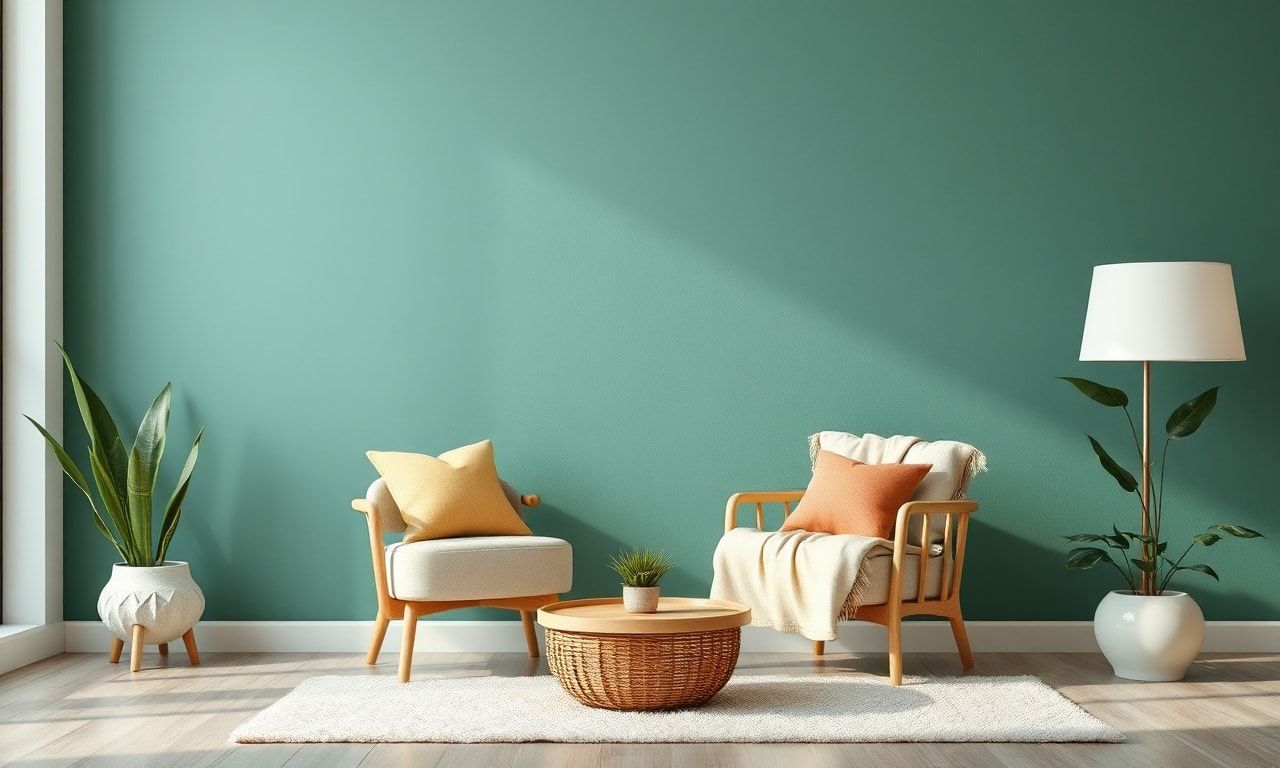
The Impact of Home Environment on Mental Health
In the pursuit of overall well-being, we often focus on diet, exercise, and sleep, but one crucial factor that can significantly influence our mental health is our home environment. Our homes are more than just physical structures; they are spaces that can either uplift or drain our mental and emotional energy. Research has shown that a well-designed and thoughtfully organized home can reduce stress, enhance mood, and promote relaxation. Conversely, a chaotic or cluttered environment can contribute to feelings of anxiety and overwhelm.
The Science Behind It
The concept of environmental psychology explores how our surroundings affect our thoughts, feelings, and behaviors. Studies have found that certain elements in our home environment, such as lighting, color, and organization, can have a profound impact on our mental health. For instance, natural light has been linked to improved mood and productivity, while artificial light can disrupt our circadian rhythms and contribute to sleep disturbances. Similarly, the colors we choose for our walls and decor can influence our emotions and energy levels. According to a study published in the journal Color Research & Application, cool colors like blue and green are associated with feelings of calmness and tranquility, while warm colors like red and orange can evoke feelings of energy and excitement.
Moreover, the state of our home environment can also affect our cognitive function. A cluttered and disorganized space can make it difficult to focus and concentrate, leading to increased stress and decreased productivity. On the other hand, a clean and organized space can promote a sense of clarity and control, which can in turn improve our mental well-being.
Creating a Mental Health-Friendly Home
So, how can we create a home environment that supports our mental health? Here are some practical tips to help you transform your living space into a sanctuary for well-being:
- Declutter and Organize: Start by decluttering your home and getting rid of items that no longer serve a purpose. This can help create a sense of spaciousness and make your home feel more inviting. Once you’ve decluttered, invest in storage solutions to keep your belongings organized and out of sight.
- Let in Natural Light: Maximize the amount of natural light in your home by keeping windows clean and unobstructed. Consider using sheer curtains or blinds that allow light to filter in. If natural light is limited, invest in full-spectrum light bulbs that mimic natural light.
- Choose Soothing Colors: When it comes to paint colors and decor, opt for shades that promote relaxation and calmness. As mentioned earlier, cool colors like blue and green are excellent choices for creating a serene atmosphere. For a more detailed guide on the best color combinations for your home, check out the latest updates on ev dekorasyonu için en iyi renk kombinasyonları güncellemesi.
- Incorporate Nature: Bringing elements of nature into your home can have a calming effect on the mind. Consider adding indoor plants, which not only enhance the aesthetic appeal of your space but also improve air quality. Additionally, you can incorporate natural materials like wood, stone, and wool into your decor to create a sense of warmth and grounding.
- Create a Relaxation Zone: Designate a specific area in your home for relaxation and self-care. This could be a cozy reading nook, a meditation corner, or a space for yoga and exercise. Make sure this area is free from distractions and clutter, allowing you to fully unwind and recharge.
The Role of Aromatherapy and Sound
In addition to visual elements, our sense of smell and hearing can also influence our mental state. Aromatherapy, for instance, has been shown to have a positive impact on mood and stress levels. Essential oils like lavender, chamomile, and eucalyptus are known for their calming and soothing properties. You can use a diffuser to disperse these scents throughout your home or apply them topically in the form of lotions and oils.
Sound also plays a crucial role in creating a mental health-friendly home. Soft, soothing music or nature sounds can help create a relaxing atmosphere, while loud and abrupt noises can contribute to stress and anxiety. Consider investing in a white noise machine or using a sound app to create a calming auditory environment.
Maintaining a Healthy Home Environment
Creating a mental health-friendly home is not a one-time task; it requires ongoing effort and attention. Regularly declutter and organize your space to prevent it from becoming overwhelming. Keep your home clean and hygienic to promote a sense of well-being. Additionally, make sure to address any maintenance issues promptly, as a well-maintained home can contribute to a sense of stability and security.
Lastly, remember that your home should be a reflection of your personality and values. Surround yourself with items that bring you joy and inspiration, whether it’s artwork, photographs, or mementos from your travels. By creating a space that truly resonates with you, you can enhance your overall sense of well-being and create a sanctuary that supports your mental health.
If you’re looking to enhance your overall well-being, consider exploring integrating mind, body, and spirit for a comprehensive wellness strategy.
For more insights on this topic, you might find The Intersection of Sports and Technology: particularly informative.