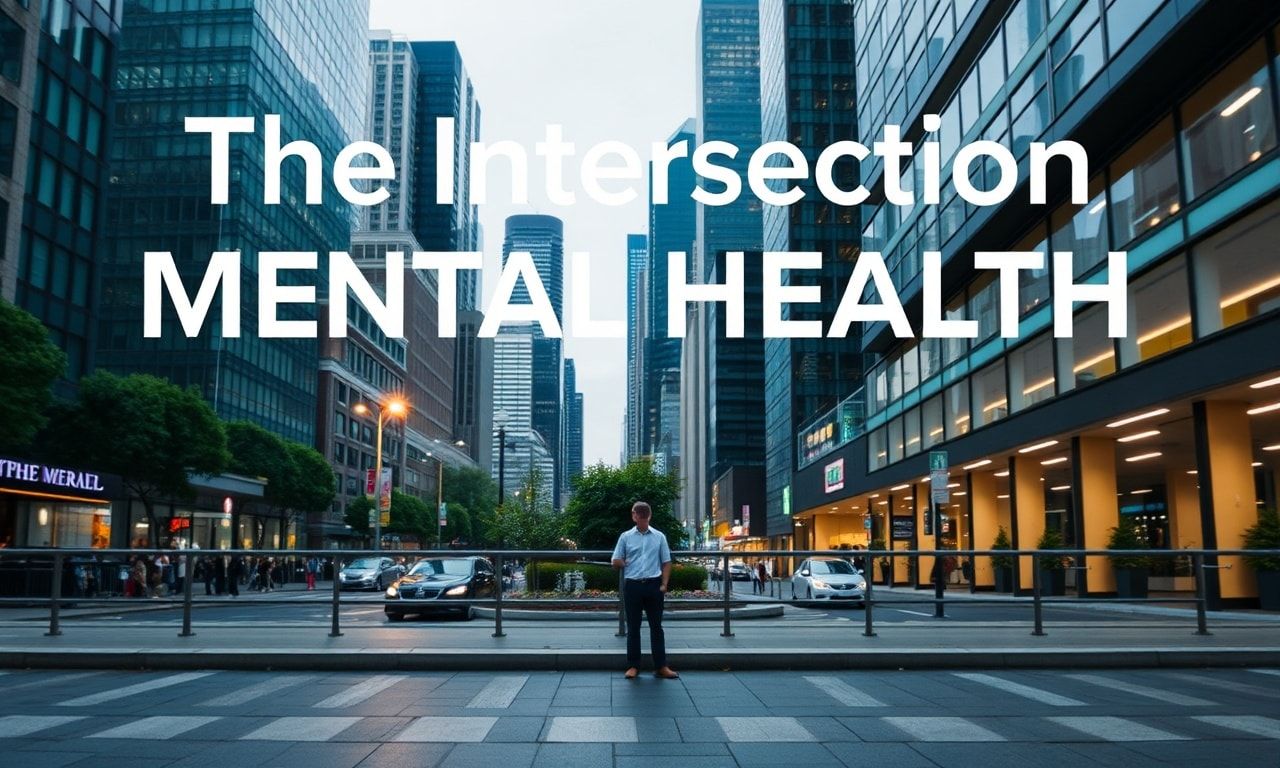
The Impact of Urban Living on Mental Health
Urban living, with its fast-paced lifestyle and constant stimulation, can significantly impact mental health. The hustle and bustle of city life, while exciting, can also lead to increased stress levels, anxiety, and even depression. Understanding these impacts is crucial for maintaining mental well-being in urban environments.
Research has shown that urban dwellers are at a higher risk of developing mental health issues compared to those living in rural areas. The constant noise, pollution, and lack of green spaces can contribute to this disparity. Moreover, the pressure to keep up with the fast-paced lifestyle can lead to chronic stress, which in turn can affect physical health.
However, it’s not all doom and gloom. Cities also offer numerous resources and opportunities for mental health support. From therapy services to support groups, urban areas often have a wealth of options for those seeking help. Additionally, the sense of community and social connections that cities provide can be beneficial for mental health.
Strategies for Maintaining Mental Well-being in Cities
Maintaining mental well-being in urban environments requires a proactive approach. Here are some strategies that can help:
- Prioritize Self-Care: Make time for activities that promote relaxation and stress relief, such as meditation, yoga, or reading.
- Stay Active: Regular physical activity can help reduce stress and improve mood. Consider joining a gym or participating in local fitness classes.
- Connect with Nature: Spend time in parks or other green spaces to counteract the negative effects of urban living. Even a short walk in a nearby park can make a difference.
- Build a Support Network: Foster strong social connections with friends, family, and community members. This can provide emotional support and a sense of belonging.
- Seek Professional Help: If you’re struggling with mental health issues, don’t hesitate to seek help from a mental health professional.
The Role of Nutrition in Mental Health
Nutrition plays a crucial role in mental health. A balanced diet can help improve mood, reduce stress, and enhance overall well-being. Incorporating fresh herbs into your diet can be particularly beneficial. For instance, herbs like basil, mint, and rosemary have been shown to have calming effects and can help reduce anxiety.
In addition to incorporating fresh herbs, it’s important to consume a variety of nutrient-rich foods. Foods high in omega-3 fatty acids, such as fish and nuts, can help improve brain function and reduce inflammation. Antioxidant-rich foods, like fruits and vegetables, can also support mental health by protecting the brain from oxidative stress.
Staying hydrated is another important aspect of maintaining mental health. Dehydration can lead to fatigue, irritability, and difficulty concentrating. Aim to drink plenty of water throughout the day, and consider incorporating herbal teas into your routine for added hydration and relaxation.
The Impact of Urban Living on Sleep Quality
Urban living can also affect sleep quality. The constant noise and light pollution in cities can disrupt sleep patterns, leading to insomnia and other sleep disorders. Poor sleep quality can, in turn, negatively impact mental health, leading to increased stress, anxiety, and depression.
To improve sleep quality in urban environments, consider the following tips:
- Create a Sleep-Friendly Environment: Use blackout curtains to block out light and earplugs or a white noise machine to drown out noise.
- Establish a Bedtime Routine: Go to bed and wake up at the same time every day to regulate your body’s internal clock.
- Limit Screen Time Before Bed: The blue light emitted by electronic devices can interfere with melatonin production, making it harder to fall asleep.
- Practice Relaxation Techniques: Incorporate relaxation techniques, such as deep breathing or meditation, into your bedtime routine to help you unwind.
Balancing Work and Life in Urban Environments
Balancing work and life in urban environments can be challenging. The pressure to succeed and the constant demands of city life can lead to burnout and mental exhaustion. However, with the right strategies, it’s possible to achieve a healthy work-life balance.
One way to achieve a healthy work-life balance is to set boundaries. Establish clear work hours and stick to them. Avoid checking work emails or messages outside of these hours to give your brain a chance to rest and recharge.
Another strategy is to make time for hobbies and interests outside of work. Engaging in activities that bring you joy and fulfillment can help reduce stress and improve overall well-being. Additionally, consider exploring the Manchester property market prices 2026 if you’re looking for a change of scenery that balances urban convenience with a more relaxed lifestyle.
Finally, prioritize self-care and make time for activities that promote relaxation and stress relief. Whether it’s taking a yoga class, going for a walk in the park, or simply spending time with loved ones, make sure to carve out time for activities that bring you joy and help you unwind.
To maintain a balanced lifestyle, consider exploring essential daily wellness practices that can significantly improve your overall well-being.
As online shopping continues to influence our daily lives, including how we access wellness and fitness products, explore the evolving world of e-commerce with our detailed guide on online shopping trends and tips.
To better understand the broader factors influencing our well-being, delve into global events and health impacts and their connection to our daily wellness routines.