The Gut-Brain Connection
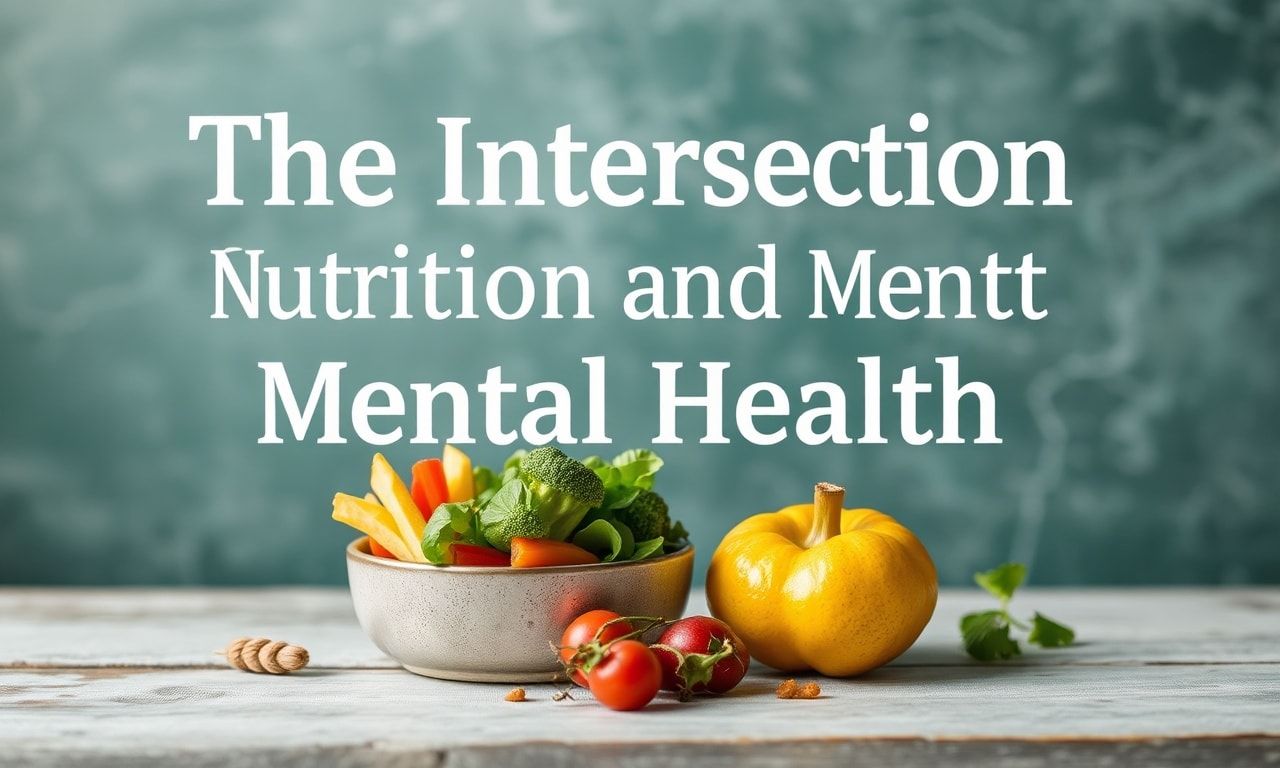
The relationship between nutrition and mental health is a burgeoning field of study, with increasing evidence pointing to the significant impact of diet on our psychological well-being. The gut-brain axis, a complex communication system that links the emotional and cognitive centers of the brain with peripheral intestinal functions, plays a crucial role in this relationship. Emerging research suggests that the health of our gut microbiota can influence mood, cognition, and even behavior.
Probiotics, often referred to as ‘good’ bacteria, are live microorganisms that can confer health benefits when consumed in adequate amounts. These beneficial bacteria can help maintain a healthy gut microbiome, which in turn may positively impact mental health. Fermented foods like yogurt, kefir, sauerkraut, and kimchi are excellent sources of probiotics. Incorporating these foods into your diet can promote a healthy gut environment and potentially improve mental health outcomes.
For more insights into the latest research on nutrition and mental health, you can explore resources like Mexicotv.mx, which often features articles on health and wellness topics.
The Role of Essential Nutrients
Certain nutrients are particularly important for brain health and mental well-being. Omega-3 fatty acids, found in fatty fish like salmon, mackerel, and sardines, as well as in flaxseeds and walnuts, are essential for brain function. These healthy fats have been shown to reduce inflammation, support cognitive function, and may even help alleviate symptoms of depression and anxiety.
B vitamins, particularly B6, B9 (folate), and B12, are crucial for the production of neurotransmitters like serotonin and dopamine, which regulate mood and emotions. Foods rich in B vitamins include leafy greens, legumes, whole grains, and animal products like meat, poultry, and dairy. Ensuring an adequate intake of these vitamins can help maintain optimal brain function and emotional well-being.
Antioxidants, found in colorful fruits and vegetables, play a vital role in protecting the brain from oxidative stress and inflammation. Berries, dark chocolate, nuts, and spices like turmeric and cinnamon are excellent sources of antioxidants. Incorporating these foods into your diet can support brain health and potentially reduce the risk of mental health disorders.
The Impact of Dietary Patterns
The overall pattern of your diet can have a significant impact on mental health. A diet rich in whole, unprocessed foods, such as the Mediterranean diet, has been associated with a lower risk of depression and cognitive decline. The Mediterranean diet emphasizes fruits, vegetables, whole grains, legumes, nuts, seeds, and olive oil, with moderate amounts of fish and poultry, and limited red meat and processed foods.
In contrast, a diet high in processed foods, refined sugars, and unhealthy fats has been linked to an increased risk of mental health disorders. These foods can contribute to inflammation, oxidative stress, and insulin resistance, all of which can negatively impact brain function and mental health. Adopting a whole-food, nutrient-dense diet can help promote mental well-being and reduce the risk of mental health disorders.
The Importance of Hydration
Hydration is often overlooked but is crucial for optimal brain function and mental health. Even mild dehydration can impair cognitive performance, mood, and concentration. The brain is highly sensitive to changes in fluid balance, and adequate hydration is essential for maintaining optimal brain function.
To stay properly hydrated, aim to drink at least 8 glasses of water per day, or more if you are physically active or live in a hot climate. Herbal teas, infused waters, and other non-caffeinated beverages can also contribute to your daily fluid intake. Avoid excessive consumption of caffeinated and alcoholic beverages, as they can contribute to dehydration and negatively impact mental health.
Lifestyle Factors and Mental Health
In addition to diet, other lifestyle factors can significantly impact mental health. Regular physical activity has been shown to reduce symptoms of depression and anxiety, improve mood, and enhance cognitive function. Aim for at least 30 minutes of moderate-intensity exercise most days of the week, such as brisk walking, cycling, or swimming.
Quality sleep is also essential for mental health. Poor sleep can contribute to mood disorders, cognitive impairment, and increased stress levels. Aim for 7-9 hours of quality sleep per night, and establish a consistent sleep routine by going to bed and waking up at the same time each day.
Managing stress through techniques like mindfulness, meditation, and deep breathing can also support mental health. Chronic stress can contribute to inflammation, oxidative stress, and hormonal imbalances, all of which can negatively impact brain function and mental well-being. Incorporating stress-reduction techniques into your daily routine can help promote mental health and overall well-being.
Delve into the powerful connection between your mind and body with our latest feature, mental health and fitness synergy, a must-read for anyone seeking a balanced approach to overall wellness.
Delve into the fascinating connection between culture and health with our latest exploration of cultural influences on nutrition, offering evidence-based insights to enhance your wellness journey.
Delve into the fascinating connection between mind and culture with our latest feature, mental health and cultural wellness, and discover how embracing a holistic approach can enhance overall well-being.