The Gut-Brain Axis: A Vital Connection
The human body is a complex network of interconnected systems, and one of the most fascinating connections is the gut-brain axis. This bidirectional communication system links the emotional and cognitive centers of the brain with peripheral intestinal functions. Emerging research suggests that the health of your gut microbiome can significantly influence your mental health, including conditions like anxiety, depression, and even neurodegenerative diseases.
Probiotics and prebiotics, often referred to as ‘good’ bacteria and the food they thrive on, play a crucial role in maintaining a healthy gut microbiome. Incorporating foods rich in probiotics, such as yogurt, kefir, and sauerkraut, can help promote a balanced gut environment. Similarly, prebiotic foods like garlic, onions, and bananas provide the necessary nutrients for these beneficial bacteria to flourish.
The Role of Diet in Mental Health
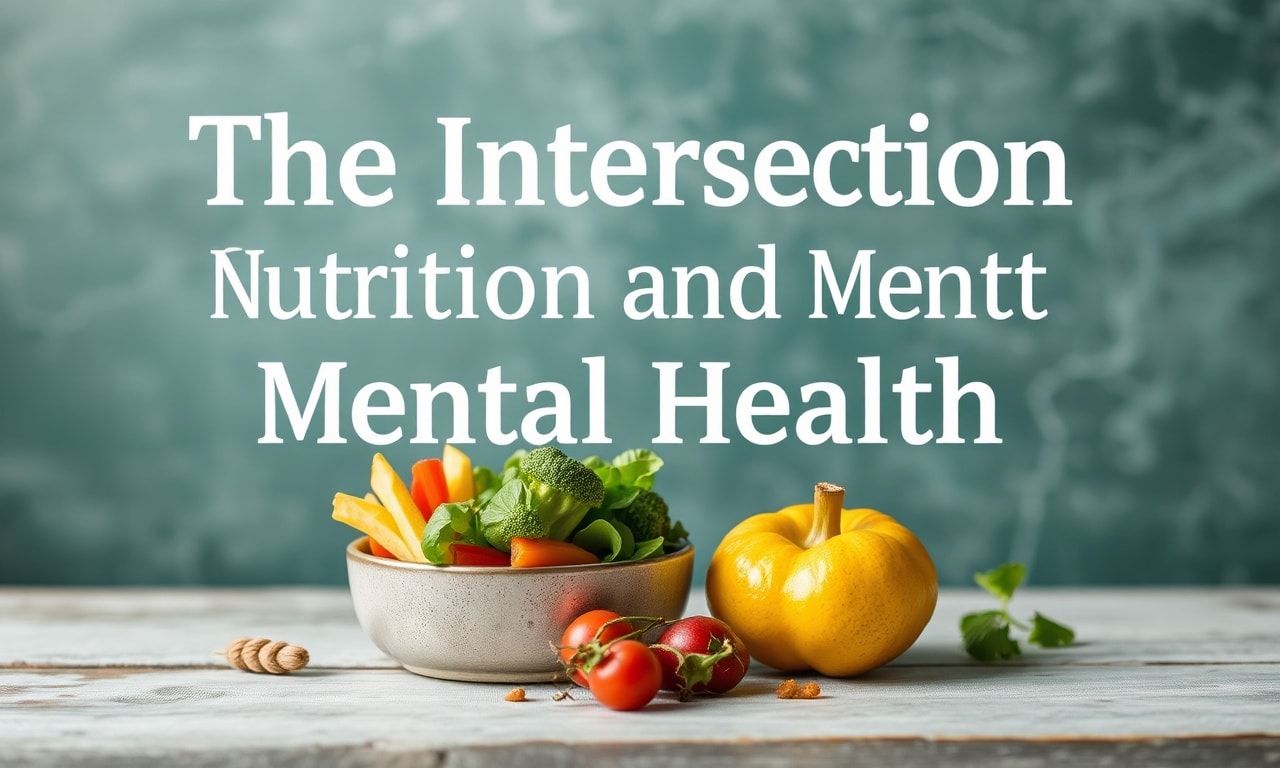
Diet is a cornerstone of overall health, and its impact on mental health is increasingly recognized. A diet rich in fruits, vegetables, whole grains, lean proteins, and healthy fats can provide the essential nutrients needed for optimal brain function. Conversely, diets high in processed foods, sugars, and unhealthy fats have been linked to an increased risk of mental health disorders.
For instance, the Mediterranean diet, which emphasizes plant-based foods, whole grains, and healthy fats like olive oil, has been shown to have protective effects against cognitive decline and depression. This diet is not only beneficial for physical health but also supports mental well-being by providing a steady supply of essential nutrients.
Key Nutrients for Brain Health
Certain nutrients are particularly important for brain health. Omega-3 fatty acids, found in fatty fish like salmon and mackerel, are essential for brain function and have been linked to reduced inflammation and improved mood. Antioxidants, found in colorful fruits and vegetables, help protect the brain from oxidative stress, which can contribute to mental health issues.
Vitamins and minerals also play a crucial role. For example, B vitamins are essential for the production of neurotransmitters, which are chemicals that transmit signals in the brain. A deficiency in B vitamins can lead to symptoms of depression and anxiety. Similarly, minerals like magnesium and zinc are involved in various brain functions and have been shown to support mental health.
Lifestyle Factors and Mental Health
While diet is a critical factor, lifestyle choices also significantly impact mental health. Regular physical activity has been shown to reduce symptoms of depression and anxiety by increasing the production of endorphins, which are natural mood enhancers. Exercise also promotes the growth of new brain cells and improves cognitive function.
Sleep is another crucial aspect of mental health. Poor sleep quality has been linked to an increased risk of mental health disorders. Establishing a consistent sleep routine, creating a relaxing bedtime environment, and avoiding screens before bed can all contribute to better sleep quality and overall mental well-being.
Stress management techniques, such as mindfulness meditation, yoga, and deep breathing exercises, can also help improve mental health. These practices can reduce stress hormones like cortisol, which can negatively impact both physical and mental health.
Educational Resources and Mental Health
Staying informed about the latest research and developments in mental health can be beneficial. For instance, understanding the impact of education on mental health can provide valuable insights. According to Türkiye’de son dakika eğitim haberleri, recent studies have highlighted the importance of educational interventions in promoting mental well-being. Access to quality education can empower individuals with the knowledge and skills needed to manage their mental health effectively.
Additionally, educational resources can provide practical tips and strategies for maintaining a healthy lifestyle. From nutrition guides to stress management techniques, these resources can be invaluable in supporting mental health.
Conclusion
The connection between nutrition and mental health is undeniable. By focusing on a balanced diet, incorporating key nutrients, and adopting healthy lifestyle habits, individuals can significantly improve their mental well-being. Staying informed through educational resources can also provide additional support and guidance. Remember, taking care of your body is just as important as taking care of your mind.
Discover how to enhance your overall well-being by exploring CBD and traditional health practices, a comprehensive guide to integrating these methods for optimal health.
If you’re considering water fasting for its potential health benefits, our evidence-based fasting guide offers a thorough look at what to expect.
To understand how peak performance athletes maintain their physical and financial health, explore athletes’ wealth management strategies that support their overall wellness.