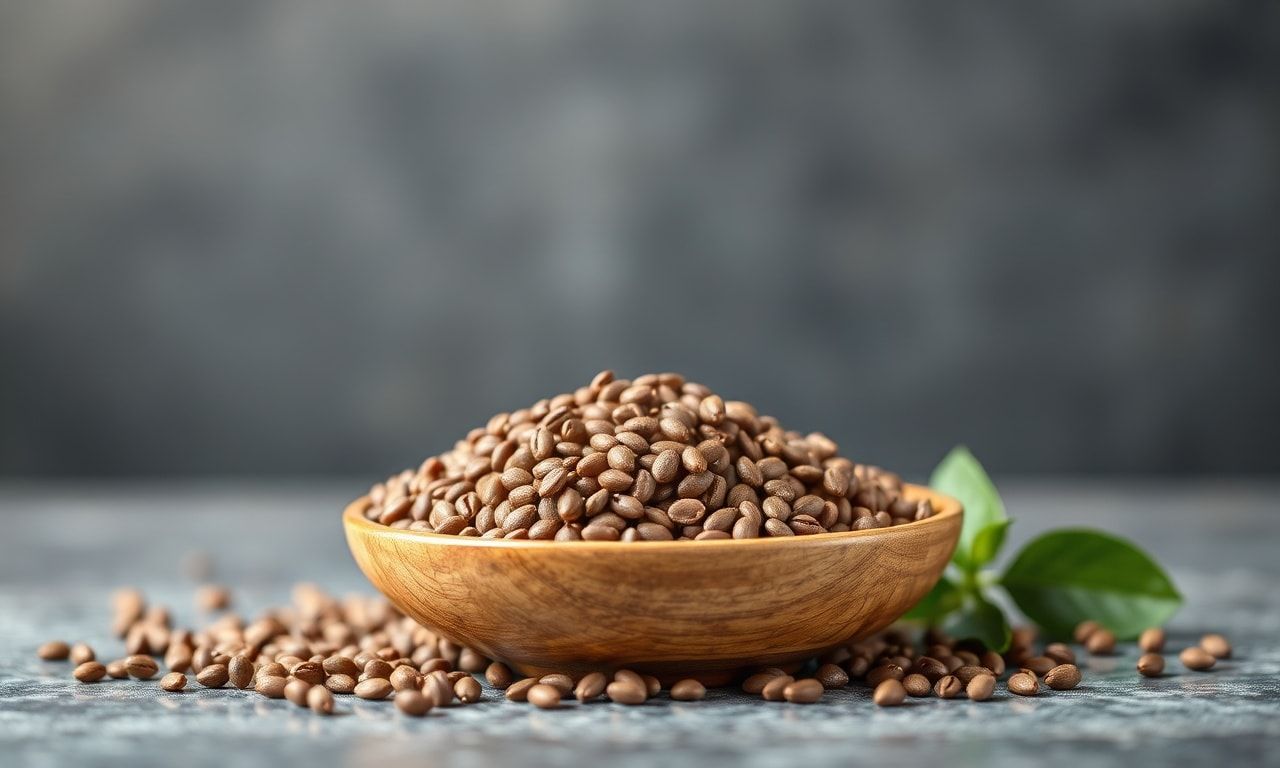
The Rise of Chia Seeds in Modern Nutrition
In recent years, chia seeds have surged in popularity as a superfood, lauded for their impressive nutritional profile and versatility. Originating from the mint family, these tiny seeds have been a staple in traditional diets for centuries, particularly among the Aztecs and Mayans. Today, they are celebrated for their ability to enhance both physical and mental well-being. Whether you’re a fitness enthusiast, a health-conscious individual, or someone looking to boost your overall nutrition, chia seeds are a valuable addition to your diet.
The Nutritional Benefits of Chia Seeds
Chia seeds are packed with essential nutrients that contribute to a healthy lifestyle. They are an excellent source of omega-3 fatty acids, which are crucial for heart health and reducing inflammation. Additionally, chia seeds are rich in fiber, protein, and various minerals such as calcium, magnesium, and phosphorus. These nutrients work synergistically to support digestive health, muscle function, and bone strength. Incorporating chia seeds into your daily diet can help you meet your nutritional needs more effectively.
One of the standout features of chia seeds is their high fiber content. Just one ounce of chia seeds contains about 10 grams of fiber, which is approximately 40% of the recommended daily intake. This high fiber content aids in digestion, promotes regular bowel movements, and helps maintain healthy blood sugar levels. Moreover, the soluble fiber in chia seeds can absorb up to 10-12 times their weight in water, forming a gel-like substance that can help you feel fuller for longer, thereby aiding in weight management.
Omega-3 Fatty Acids and Heart Health
The omega-3 fatty acids found in chia seeds are essential for maintaining cardiovascular health. These healthy fats help reduce inflammation, lower blood pressure, and decrease the risk of heart disease. Studies have shown that regular consumption of omega-3 fatty acids can improve lipid profiles by increasing good cholesterol (HDL) and reducing bad cholesterol (LDL). By incorporating chia seeds into your diet, you can support your heart health and reduce the risk of chronic diseases.
Protein Powerhouse
Chia seeds are also a great plant-based source of protein, making them an excellent choice for vegetarians and vegans. Protein is essential for building and repairing tissues, producing enzymes and hormones, and maintaining muscle mass. The protein in chia seeds is complete, meaning it contains all nine essential amino acids that the body cannot produce on its own. This makes chia seeds a valuable addition to any diet, particularly for those following a plant-based lifestyle.
Innovative Ways to Incorporate Chia Seeds into Your Diet
One of the most exciting aspects of chia seeds is their versatility in the kitchen. They can be easily incorporated into a variety of dishes, from smoothies and puddings to baked goods and salads. Chia seeds have a mild, nutty flavor that blends well with both sweet and savory ingredients. Here are some creative ways to enjoy chia seeds:
- Chia Pudding: Mix chia seeds with your favorite plant-based milk, a touch of sweetener, and let it sit overnight. The seeds will absorb the liquid and create a pudding-like consistency. Top with fresh fruits, nuts, or seeds for added flavor and texture.
- Smoothie Booster: Add a tablespoon of chia seeds to your favorite smoothie for an extra boost of fiber, protein, and omega-3 fatty acids.
- Baked Goods: Incorporate chia seeds into muffins, bread, and cookies for added nutrition and a subtle crunch.
- Salad Topping: Sprinkle chia seeds over your favorite salad for added texture and a nutritional boost.
For those interested in growing their own chia seeds, exploring chia seed container farming techniques can be a rewarding and sustainable option. Container farming allows you to cultivate chia seeds in small spaces, making it accessible for urban dwellers and those with limited gardening space.
The Role of Chia Seeds in Mental Health
In addition to their physical health benefits, chia seeds also play a role in supporting mental well-being. The omega-3 fatty acids in chia seeds are essential for brain health and cognitive function. Research has shown that regular consumption of omega-3s can improve memory, reduce the risk of cognitive decline, and alleviate symptoms of depression and anxiety. By incorporating chia seeds into your diet, you can support both your physical and mental health.
Chia Seeds and Hydration
Chia seeds have the unique ability to absorb and retain water, making them an excellent natural hydrator. When soaked in liquid, chia seeds form a gel-like substance that can help keep you hydrated for longer periods. This makes them particularly beneficial for athletes and individuals engaging in physical activities. Staying hydrated is crucial for maintaining optimal physical performance, supporting cognitive function, and promoting overall well-being.
Potential Side Effects and Precautions
While chia seeds offer numerous health benefits, it’s important to consume them in moderation. Eating too many chia seeds at once can cause digestive discomfort, such as bloating and gas. Additionally, chia seeds can interact with certain medications, particularly blood thinners. If you have any underlying health conditions or are taking medication, it’s advisable to consult with a healthcare professional before incorporating chia seeds into your diet.
In conclusion, chia seeds are a nutritional powerhouse that offers a wide range of health benefits. From supporting heart health and digestion to enhancing mental well-being, these tiny seeds pack a big punch. By incorporating chia seeds into your diet, you can enjoy their numerous benefits and take a step towards a healthier, more vibrant life.
For more insights on this topic, you might find Sağlıklı Yaşam İçin Chia Tohumunun Harikaları particularly informative.