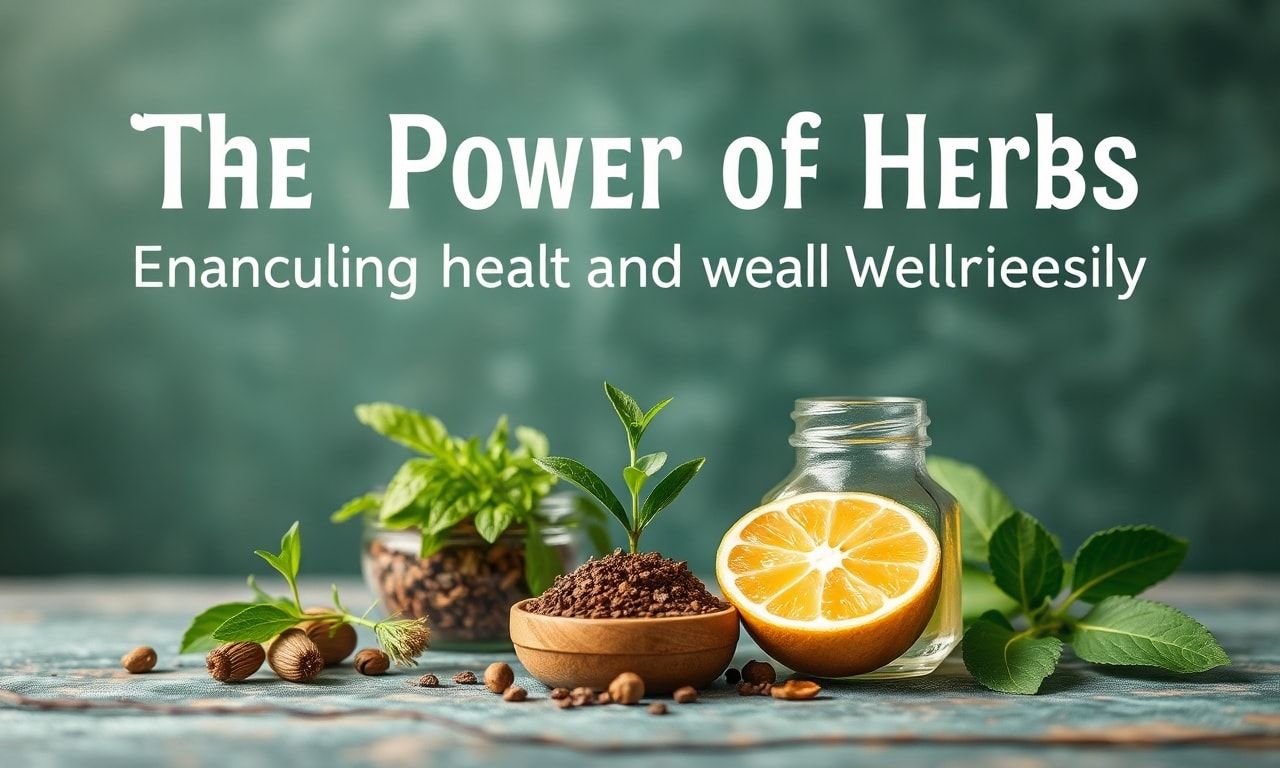
The Role of Herbs in Traditional and Modern Medicine
Herbs have been an integral part of traditional medicine for centuries, and their relevance in modern healthcare continues to grow. The use of herbs spans across various cultures, from the ancient Ayurvedic practices in India to the traditional Chinese medicine (TCM) system. These natural remedies are celebrated for their ability to treat a wide range of ailments, from common colds to chronic conditions. In recent years, scientific research has begun to validate many of the health benefits attributed to herbs, making them a popular choice for those seeking natural and holistic wellness solutions.
Top Herbs for Health and Wellness
Incorporating herbs into your daily routine can significantly enhance your overall health. Here are some of the most beneficial herbs and their uses:
1. Turmeric
Turmeric, a vibrant yellow spice commonly used in Indian cuisine, contains a powerful compound called curcumin. Curcumin is known for its anti-inflammatory and antioxidant properties, which can help reduce inflammation, improve brain function, and lower the risk of chronic diseases. Adding turmeric to your diet or taking it as a supplement can provide numerous health benefits.
2. Ginger
Ginger is another versatile herb that has been used for centuries to treat various ailments. It is particularly effective in alleviating nausea, improving digestion, and reducing muscle pain and soreness. Ginger’s anti-inflammatory properties make it a valuable addition to any wellness routine. Whether you enjoy it in tea, as a supplement, or added to your meals, ginger can support your overall health.
3. Garlic
Garlic is not only a flavorful addition to your meals but also a potent herb with numerous health benefits. It contains compounds like allicin, which have been shown to boost the immune system, lower blood pressure, and reduce the risk of heart disease. Including garlic in your diet can help you maintain optimal health and well-being.
4. Peppermint
Peppermint is well-known for its ability to soothe digestive issues and relieve symptoms of irritable bowel syndrome (IBS). The menthol in peppermint has a calming effect on the digestive tract, making it an effective natural remedy for indigestion and bloating. Peppermint tea is a popular way to enjoy the benefits of this herb, but it can also be used in essential oils for aromatherapy.
5. Echinacea
Echinacea is a popular herb used to boost the immune system and fight off infections. It is often taken as a supplement to prevent or treat the common cold and flu. Research suggests that echinacea can help reduce the duration and severity of respiratory infections, making it a valuable addition to your wellness arsenal.
Incorporating Herbs into Your Daily Routine
Incorporating herbs into your daily routine can be both enjoyable and beneficial. Here are some simple ways to start:
- Cook with Herbs: Add fresh or dried herbs to your meals to enhance flavor and nutritional value. For example, sprinkle turmeric on your vegetables, add ginger to your smoothies, or include garlic in your soups and stews.
- Drink Herbal Teas: Enjoy a cup of herbal tea made from peppermint, chamomile, or ginger to relax and support your health.
- Use Herbal Supplements: Consult with a healthcare professional to determine if herbal supplements like echinacea or turmeric are suitable for your needs.
- Explore Aromatherapy: Use essential oils derived from herbs like lavender or peppermint for relaxation and stress relief.
Incorporating herbs into your daily routine can be a simple and effective way to support your overall health and well-being. Whether you choose to cook with them, drink them as teas, or use them in supplements, herbs offer a natural and holistic approach to wellness.
The Importance of Quality and Safety
While herbs can offer numerous health benefits, it is essential to choose high-quality products and use them safely. Look for organic and sustainably sourced herbs to ensure you are getting the best possible quality. Additionally, always consult with a healthcare professional before starting any new herbal supplement, especially if you have underlying health conditions or are taking medications.
It’s also important to stay informed about local regulations and decisions that may impact the availability and quality of herbal products. For instance, in Mexico, local municipal decisions can influence the accessibility of traditional herbal remedies. For the latest updates on such decisions, you can visit Mexico noticias municipales decisiones to stay informed about any changes that might affect your access to these natural health solutions.
Conclusion
Herbs have been a cornerstone of traditional medicine for centuries, and their benefits are increasingly supported by modern research. Incorporating herbs into your daily routine can enhance your overall health and well-being, providing a natural and holistic approach to wellness. Whether you choose to cook with them, drink them as teas, or use them in supplements, herbs offer a wealth of health benefits that can support your journey to optimal health. Always prioritize quality and safety, and stay informed about local regulations to ensure you are making the best choices for your health.
Discover how incorporating simple daily routines can significantly enhance your overall well-being by exploring small habits for big health.
To stay informed about how global events can impact your wellness journey, explore our analysis of recent worldwide developments and their potential effects on health and lifestyle trends.
To enhance your mental wellness and boost your learning journey, explore these effective learning strategies that can help you achieve your goals.