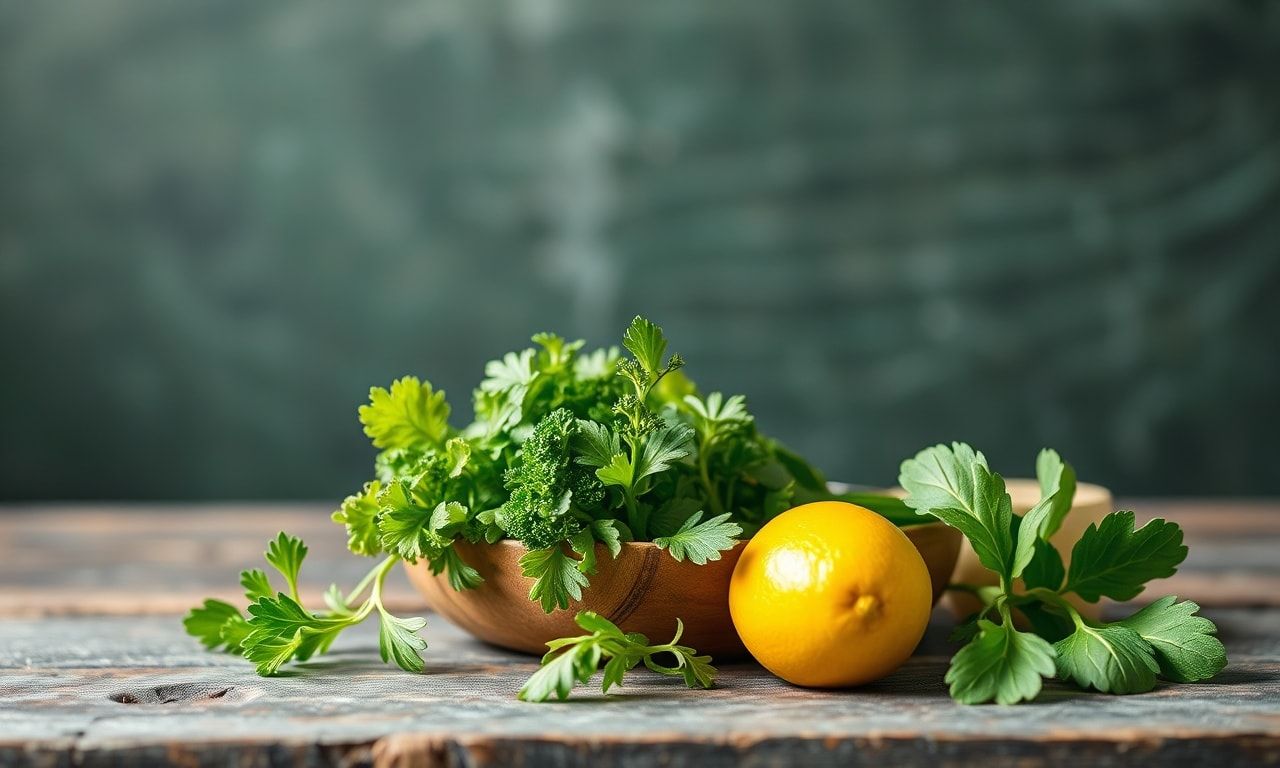
The Power of Fresh Herbs in Nutrition
Fresh herbs are more than just garnishes; they are powerhouses of nutrients that can significantly enhance your health. Incorporating fresh herbs into your daily diet can improve digestion, boost immunity, and even elevate your mood. At FreshHerbs.net, we believe in the transformative power of these natural wonders. Let’s explore how you can make the most of them.
Why Fresh Herbs?
The benefits of fresh herbs are manifold. They are rich in antioxidants, vitamins, and minerals that are essential for maintaining good health. For instance, parsley is packed with vitamin C and K, while basil is known for its anti-inflammatory properties. Fresh herbs also add a burst of flavor to your meals, making healthy eating more enjoyable. Unlike dried herbs, fresh ones retain more of their nutritional value, making them a superior choice for health-conscious individuals.
Enhancing Digestive Health
One of the most significant benefits of fresh herbs is their ability to aid digestion. Herbs like mint, ginger, and fennel are known for their digestive properties. Mint, for example, can help alleviate symptoms of irritable bowel syndrome (IBS) and improve overall gut health. Ginger is renowned for its ability to reduce nausea and improve digestion. Incorporating these herbs into your diet can lead to a healthier, happier digestive system.
Boosting Immunity
Fresh herbs are also excellent for boosting your immune system. Herbs like oregano, thyme, and rosemary contain potent antioxidants and antimicrobial properties that can help fight off infections. Oregano, in particular, is known for its high concentration of vitamin C and iron, which are crucial for maintaining a robust immune system. Regular consumption of these herbs can help you stay healthy and ward off common illnesses.
Improving Mental Health
The mental health benefits of fresh herbs are often overlooked. Herbs like lavender and chamomile are known for their calming effects and can help reduce stress and anxiety. Lavender, in particular, has been shown to improve sleep quality and reduce symptoms of depression. Incorporating these herbs into your daily routine can lead to a more balanced and peaceful mind.
Incorporating Fresh Herbs into Your Diet
Now that you understand the benefits of fresh herbs, let’s explore how you can incorporate them into your daily diet. One of the easiest ways to start is by adding them to your smoothies. For some creative and healthy smoothie recipes, check out the latest health news on smoothie recipes. You can also add fresh herbs to your salads, soups, and main dishes to enhance their flavor and nutritional value.
Herbal Teas and Infusions
Herbal teas and infusions are another excellent way to incorporate fresh herbs into your diet. Herbs like peppermint, chamomile, and ginger make delicious and soothing teas that can be enjoyed hot or cold. These teas not only taste great but also offer numerous health benefits, from improving digestion to reducing stress.
Fresh Herb Salads
Creating fresh herb salads is a simple and delicious way to enjoy the benefits of these nutrient-packed plants. A simple salad made with a mix of fresh herbs, cherry tomatoes, cucumbers, and a light vinaigrette can be a refreshing and healthy meal option. You can also add nuts and seeds for extra crunch and nutrition.
Herb-Infused Oils and Vinegars
Herb-infused oils and vinegars are versatile and can be used in a variety of dishes. To make an herb-infused oil, simply combine your favorite fresh herbs with a high-quality olive oil and let it infuse for a few days. Similarly, you can infuse vinegar with herbs like basil, thyme, or rosemary to add a burst of flavor to your salads and dressings.
Growing Your Own Fresh Herbs
Growing your own fresh herbs is a rewarding and cost-effective way to ensure a steady supply of these nutritional powerhouses. Many herbs, like basil, mint, and parsley, are easy to grow and can thrive both indoors and outdoors. Having a small herb garden can also be a therapeutic hobby that connects you with nature and enhances your overall well-being.
Choosing the Right Herbs
When starting your herb garden, it’s essential to choose the right herbs for your needs and preferences. Consider factors like climate, available space, and your culinary preferences. Some herbs, like rosemary and thyme, prefer full sun and well-drained soil, while others, like mint, can grow in partial shade and moist soil. Researching the specific needs of each herb will help you create a thriving herb garden.
Caring for Your Herbs
Proper care is crucial for the health and vitality of your herb garden. Most herbs require regular watering, but be careful not to overwater them, as this can lead to root rot. Pruning your herbs regularly will encourage growth and prevent them from becoming leggy. Additionally, using organic fertilizers and compost can provide the necessary nutrients for your herbs to thrive.
Conclusion
Incorporating fresh herbs into your daily diet is a simple yet powerful way to enhance your overall health and well-being. From improving digestion to boosting immunity and mental health, the benefits of fresh herbs are vast and varied. By growing your own herbs and experimenting with different recipes, you can enjoy the numerous health benefits and delicious flavors they offer. At FreshHerbs.net, we encourage you to explore the world of fresh herbs and discover the transformative power they hold.
Discover how engaging in creative activities can significantly boost your mental well-being by exploring art’s impact on mental health in our latest feature.
If you’re looking to enhance your overall well-being, consider checking out creating a healthy lifestyle for practical tips and evidence-based advice on nutrition, fitness, and mental health.
Discover how health and style trends intersect in the fashion world with our latest feature, fashion’s wellness revolution, offering evidence-based insights on this growing phenomenon.